Quick Answer:
Lysine (L-lysine) is an essential amino acid your body cannot make on its own. Understanding lysine benefits starts with separating established nutritional functions from unproven supplement claims: dietary lysine is essential for protein synthesis and collagen cross-linking, while clinical evidence for cold sores, osteoporosis prevention, cholesterol lowering, or everyday stress relief remains limited or inconclusive.
While lysine plays a well-established role in building proteins and supporting normal connective tissue structure, many popular claims about L-lysine supplements rely on small, short-term, or conflicting studies. This guide reviews the scientific evidence, outlines top food sources, compares supplement dosage forms, and explains the tablet types and manufacturing principles behind lysine tablets.
Quick Answer — What Are the Benefits of Lysine?
Lysine is an essential amino acid required for normal human nutrition, but the strength of evidence varies sharply depending on the claim:
- Established nutritional functions: Dietary lysine is necessary for protein synthesis, normal growth and tissue maintenance, and structural cross-linking in collagen and elastin (International Journal of Molecular Sciences, 2025).
- Potential supplemental benefits: Small human studies suggest L-lysine may influence intestinal calcium absorption (Civitelli et al., 1992) and, in populations with lysine-deficient staple diets, may help reduce stress-related markers (Smriga et al., 2004).
- Claims not yet conclusively supported: Evidence for preventing or treating cold sores, preventing osteoporosis, lowering cholesterol, or relieving everyday stress in well-nourished adults remains limited or inconclusive (Cochrane Review CD010095; Mailoo & Rampes, 2017).
What Is Lysine and Why Does the Body Need It?
Lysine is one of the nine essential amino acids that humans must consume through food because the body cannot synthesize its carbon skeleton internally (Cleveland Clinic). In nutrition and dietary supplements, the active isomer is L-lysine.
Lysine as an Essential Amino Acid
Amino acids are the building blocks of protein. While the human body can produce non-essential amino acids from other metabolic compounds, essential amino acids like L-lysine must come from external dietary intake. In diets that rely heavily on cereal grains such as wheat or corn, lysine is often the “limiting amino acid,” meaning its lower concentration restricts how efficiently the body can use the rest of the protein in that meal (Smriga et al., 2004).
Its Role in Normal Body Functions
So, what does lysine do once absorbed? At a basic physiological level, lysine participates in several normal bodily processes:
- Protein synthesis: L-lysine is incorporated into structural proteins, enzymes, and transport proteins throughout the body.
- Connective tissue structure: Lysine residues undergo enzymatic modification to help form stable cross-links in collagen and elastin, the fibrous proteins found in skin, tendons, cartilage, and bone matrix (International Journal of Molecular Sciences, 2025).
- Metabolic precursors: Alongside methionine, lysine serves as a biochemical precursor for carnitine, a compound involved in transporting fatty acids into cellular mitochondria for energy metabolism.
Recognizing these normal physiological functions is important, but a nutrient’s basic biological role does not automatically mean that taking high-dose lysine supplements will prevent or treat a medical condition.
Lysine Benefits — What Does the Scientific Evidence Say?
Research on the health benefits of lysine spans basic biochemistry, animal models, and small human trials. Below is an objective look at where the science stands across the most commonly searched topics.
Protein Synthesis and Nutritional Role
Lysine’s role in protein synthesis and nitrogen balance is firmly established in human nutrition. Adequate intake supports normal growth, tissue repair, and maintenance of lean body mass, particularly in populations with low overall protein intake or cereal-heavy diets. For healthy adults already eating sufficient varied protein, however, additional lysine supplementation has not been shown to produce extra muscle-building or general wellness benefits.
Collagen-Related Processes
Because lysine is required for collagen cross-linking, it is essential for normal connective tissue integrity. However, evidence is limited or inconclusive regarding whether taking isolated L-lysine supplements improves skin appearance, accelerates wound healing, or boosts collagen density in people who already meet their daily dietary protein needs.
Calcium and Bone-Health Research
Interest in lysine for bone health stems largely from early human studies examining mineral metabolism. In two small clinical experiments, Civitelli et al. (1992) reported that short-term oral L-lysine (400 mg with an acute calcium load, or 800 mg/day in a short-term trial) enhanced intestinal calcium absorption and reduced urinary calcium excretion in healthy and osteoporotic participants.
While those physiological findings are noteworthy, they do not establish long-term fracture protection. As a 2025 scientific review in the International Journal of Molecular Sciences notes, clinical studies confirming a direct link between lysine supplementation and osteoporosis prevention do not exist. Evidence is limited or inconclusive for using lysine supplements to prevent or treat osteoporosis.
Cold Sores and the Limitations of Clinical Evidence
Cold sores (herpes simplex labialis, caused by HSV-1) are the most common reason consumers search for L-lysine benefits. Laboratory cell-culture research suggested that lysine may compete with arginine, an amino acid involved in herpes simplex virus replication (Mailoo & Rampes, 2017).
In human clinical research, however, results are mixed and methodologically weak:
- Cochrane Systematic Review (2015): A rigorous Cochrane review evaluating 32 randomized controlled trials (2,640 participants) across 19 preventive interventions for cold sores concluded that researchers “failed to find any evidence of efficacy for lysine” in preventing recurrent herpes simplex labialis (Chi et al., 2015, CD010095).
- Narrative Literature Review (2017): Mailoo and Rampes reviewed 12 clinical studies and concluded that daily doses below 1 g/day appear ineffective without a low-arginine diet, and that there is no convincing evidence that lysine treats active cold sore lesions. While one small randomized trial (59 completers) suggested doses exceeding 3 g/day might reduce self-reported recurrences or symptom severity, the authors emphasized that larger, longer-duration controlled trials above 1.2 g/day are still required.
Because systematic reviews and individual small trials conflict—and most existing studies suffer from small sample sizes, high dropout rates, or short durations—L-lysine should not be marketed or relied upon as a proven way to prevent or treat cold sores. Evidence is limited or inconclusive.
Stress-Related Research and Limitations
A 3-month randomized, double-blind trial in Northwest Syria found that fortifying wheat flour with lysine reduced chronic trait anxiety scores in men and lowered stress-induced cortisol responses to blood draws in women (Smriga et al., 2004). Another small human study observed reduced anxiety and basal cortisol when L-lysine was given together with L-arginine (Smriga et al., 2007).
Context is critical here: the Syrian trial involved economically vulnerable communities whose wheat-based diets were deficient in lysine, and the combination trial cannot isolate the effect of lysine alone. For well-nourished adults experiencing everyday stress, evidence is limited or inconclusive.
Cholesterol-Related Claims and Limitations
Some online articles claim that lysine lowers “bad” (LDL) cholesterol because lysine helps synthesize carnitine, which is involved in fatty acid metabolism. However, biochemical plausibility does not equal clinical proof. In a 12-week randomized, placebo-controlled human trial of men with hypertriglyceridemia (Nutrition Research, 2012), researchers reported that “no major changes in the lipid profile were observed” with lysine supplementation. Evidence is limited or inconclusive for using L-lysine to manage cholesterol or blood lipids.
Evidence Summary Table
| Claim / Topic | What Is Established | Evidence Limitations | Practical Takeaway |
|---|---|---|---|
| Protein synthesis & nutrition | Essential amino acid required for protein synthesis and normal tissue maintenance. | Extra supplementation shows no proven benefit when dietary protein is already adequate. | Meet baseline needs primarily through balanced protein-rich foods. |
| Collagen-related processes | Lysine residues are structurally required for collagen and elastin cross-linking. | Lack of controlled human trials proving isolated L-lysine supplements improve skin or joint outcomes. | Evidence is limited or inconclusive for cosmetic or therapeutic collagen claims. |
| Calcium & bone health | Short-term human studies showed increased intestinal calcium absorption and reduced urinary calcium loss (Civitelli et al., 1992). | No long-term clinical trials confirming osteoporosis prevention or fracture reduction. | Evidence is limited or inconclusive; lysine is not a substitute for established bone-health care. |
| Cold sores (HSV-1) | Theoretical lysine–arginine antagonism observed in cell cultures. | Cochrane review (CD010095) found no evidence of preventive efficacy; small trials are mixed and underpowered. | Evidence is limited or inconclusive; do not rely on lysine to prevent or treat cold sores. |
| Stress & anxiety | Wheat fortification with lysine reduced stress markers in lysine-deficient populations (Smriga et al., 2004). | Findings from deficient populations or L-lysine + L-arginine blends do not generalize to well-nourished adults. | Evidence is limited or inconclusive for general stress relief. |
| Cholesterol & blood lipids | Lysine is a metabolic precursor to carnitine, which participates in fatty acid transport. | A 12-week human trial found no major lipid-profile changes with lysine supplementation. | Evidence is limited or inconclusive; not supported for cholesterol management. |
Food Sources of Lysine
Most people in the United States meet their daily lysine needs through regular food without requiring supplements. Lysine is abundant in both animal and selected plant proteins, though high-heat food processing can reduce lysine availability through the Maillard reaction.
Animal-Based Sources
Animal proteins generally provide high concentrations of bioavailable lysine:
- Poultry and meat: Chicken, turkey, lean beef, and pork.
- Fish and seafood: Tuna, salmon, cod, shrimp, and shellfish.
- Dairy and eggs: Parmesan and other cheeses, milk, yogurt, and whole eggs.
Plant-Based Sources
Because cereal grains (such as wheat, rice, and oats) are naturally lower in lysine, people following vegetarian or vegan diets benefit from including lysine-rich plant foods:
- Legumes and soy: Soybeans, tofu, tempeh, edamame, lentils, chickpeas, and black beans.
- Pseudocereals and seeds: Quinoa, amaranth, pumpkin seeds, and pistachios.
Food First or Supplements?
A “food-first” approach provides lysine alongside a complete spectrum of amino acids, vitamins, minerals, and dietary fiber. Dietary supplements are intended to supplement the diet—not replace balanced nutrition (NIH Office of Dietary Supplements). Because individual nutritional needs vary by age, diet, and health status, anyone considering a lysine supplement should consult a qualified healthcare professional or registered dietitian rather than self-prescribing a dosage.
Lysine Supplements: Tablets, Capsules, Powders and Other Forms
When consumers or brands evaluate lysine supplements, the active ingredient is typically supplied as L-lysine monohydrochloride (L-lysine HCl) or free-base L-lysine. Because typical serving sizes for amino acid supplements are relatively large (often 500 mg to 1,000 mg per serving), the choice of dosage form directly affects convenience, formulation complexity, and taste masking.

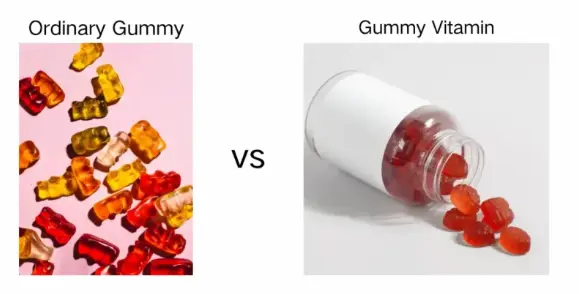
Comparison of four common supplement dosage forms: compressed tablets, hard-shell capsules, amino acid powder, and gummies.
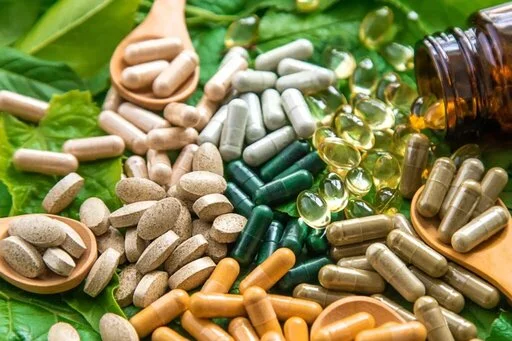
- Compressed tablets: Widely used for high-dose L-lysine HCl (commonly 500 mg or 1,000 mg per unit). Tablets offer strong dose density, good shelf stability, and cost efficiency at scale, though large tablets can be harder for some consumers to swallow.
- Hard-shell capsules: Popular for consumers who prefer easier swallowing or simpler excipient lists. However, capsule shell volume limits how much powder fits into a single unit, sometimes requiring multiple capsules per serving. (For a broader look at solid-dose trade-offs, see our comparison of softgels vs. tablets.)
- Powders: Ideal for flexible serving sizes and rapid mixing into beverages, with minimal excipients. The main drawback is taste—amino acids can have a bitter or salty-savory flavor profile—and less portability than pre-measured solid doses.
- Gummies: Increasingly popular for consumer appeal, but less common for high-dose L-lysine. Incorporating 500 mg to 1,000 mg of an amino acid into a palatable gummy without affecting texture, moisture stability, or flavor is challenging. Similar formulation constraints apply across other high-dose active ingredients, as discussed in our overview of creatine tablets vs. gummies.
Not every dosage form suits every formulation. Brand owners typically balance target serving size, excipient limits, sensory profile, and packaging stability before selecting a format.
Dosage Form Comparison Table
| Dosage Form | Typical Dose Capacity per Unit | Key Advantages | Common Limitations | Suitability for L-Lysine |
|---|---|---|---|---|
| Compressed Tablets | High (often 500–1,000 mg+) | High dose density, strong stability, economical at commercial scale | Larger tablet size can be harder to swallow; requires careful compaction control | Very common; standard commercial format for L-lysine HCl |
| Hard-Shell Capsules | Moderate (typically 500 mg per size 00) | Easier to swallow; simpler formulation with fewer binders | Lower dose density; may require 2+ capsules per serving; higher unit packaging cost | Common for 500 mg servings or clean-label lines |
| Powders | Flexible (scoop-measured) | Easy to adjust serving size; minimal excipients; no swallowing issues | Unpleasant taste; less convenient for travel; hygroscopic clumping risk | Common for bulk amino acid or multi-amino blends |
| Gummies | Low to moderate | High consumer palatability; no water needed | Difficult to load high amino acid doses; taste-masking and texture challenges | Less common for standalone high-dose L-lysine |
Types of Tablets Used in Supplement Manufacturing
In nutraceutical production, the term “tablet” covers several distinct solid dosage formats. Understanding the different types of tablets helps formulators and readers see why two supplement tablets can behave very differently in the mouth and on the production line. Note that this overview covers general supplement tablet categories—not all types of tablets are commonly used for L-lysine products.
Conventional Compressed Tablets
Conventional (uncoated) compressed tablets are formed by compacting a powder or granulated blend in a die cavity between upper and lower punches. They are designed to be swallowed whole with water and disintegrate in the gastrointestinal tract. For high-dose amino acids like L-lysine HCl, conventional compressed tablets are among the most common formats.
Chewable Tablets
Chewable tablets are formulated to break apart easily when chewed, using specialized sweeteners, flavorings, and mouthfeel modifiers. Because L-lysine has a noticeable taste, making an acceptable chewable requires significant flavor masking and careful hardness control so the tablet is strong enough to survive packaging yet soft enough to chew comfortably.
Coated Tablets
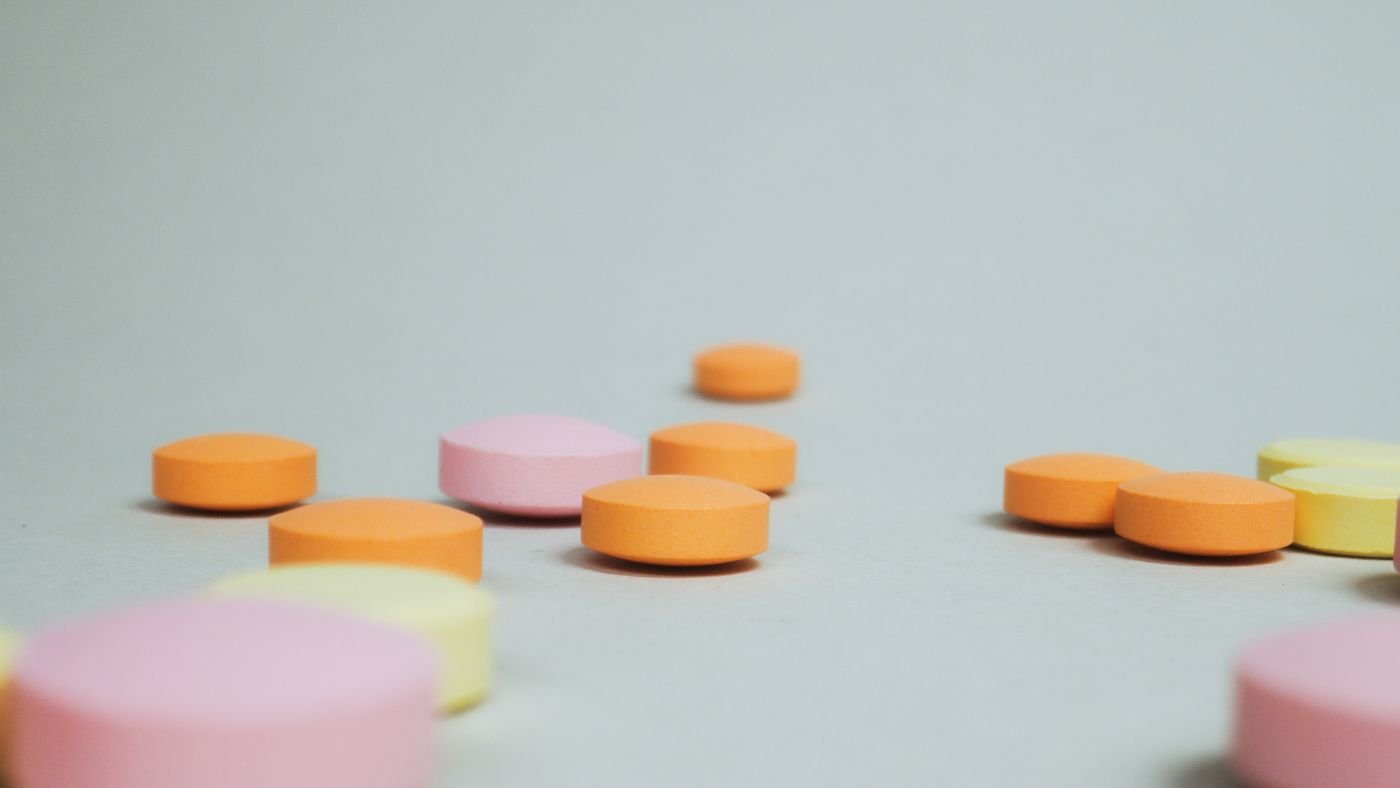
Coated tablets begin as compressed tablet cores that undergo a secondary coating step—most commonly film coating—to improve swallowability, mask odor or taste, protect moisture-sensitive ingredients, or enhance visual appearance. Film coating requires dedicated coating pans, spray systems, and drying controls beyond standard tablet compression.
Effervescent and Orally Disintegrating Tablets
- Effervescent tablets contain acid–carbonate systems that react rapidly in water to release carbon dioxide, creating a flavored drink. They require strict low-humidity manufacturing environments and specialized moisture-barrier packaging.
- Orally disintegrating tablets (ODTs) are engineered to dissolve quickly on the tongue without water, relying on specialized superdisintegrants and low-compression or freeze-dried processes.
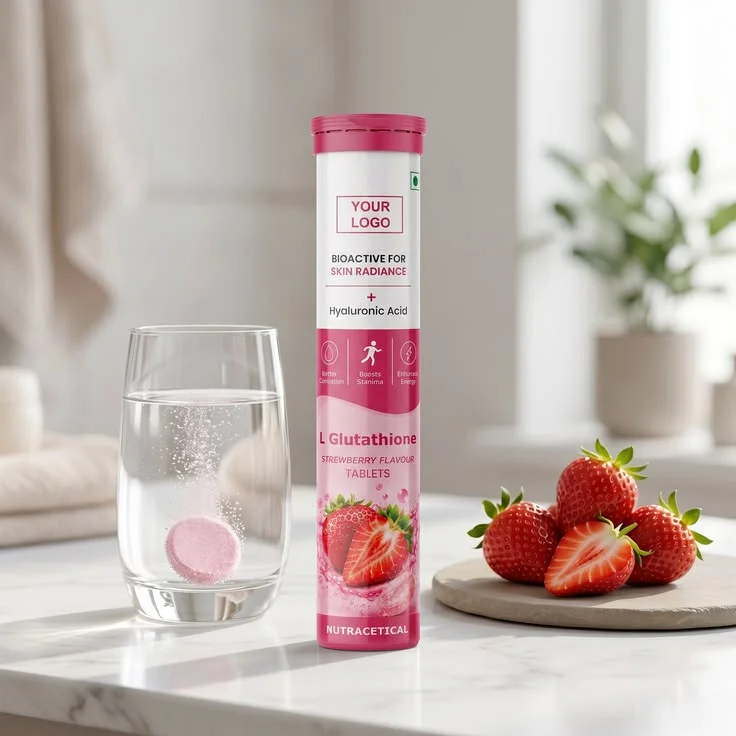
Each of these tablet types demands distinct excipient systems, environmental controls, and auxiliary equipment. Coating, effervescent production, and ODT manufacturing cannot simply be treated as minor adjustments to standard tablet compression.
How Are L-Lysine Tablets Manufactured?
Producing consistent lysine tablets follows the core stages of the tablet manufacturing process, adapted to the physical behavior of the chosen L-lysine raw material and excipients:
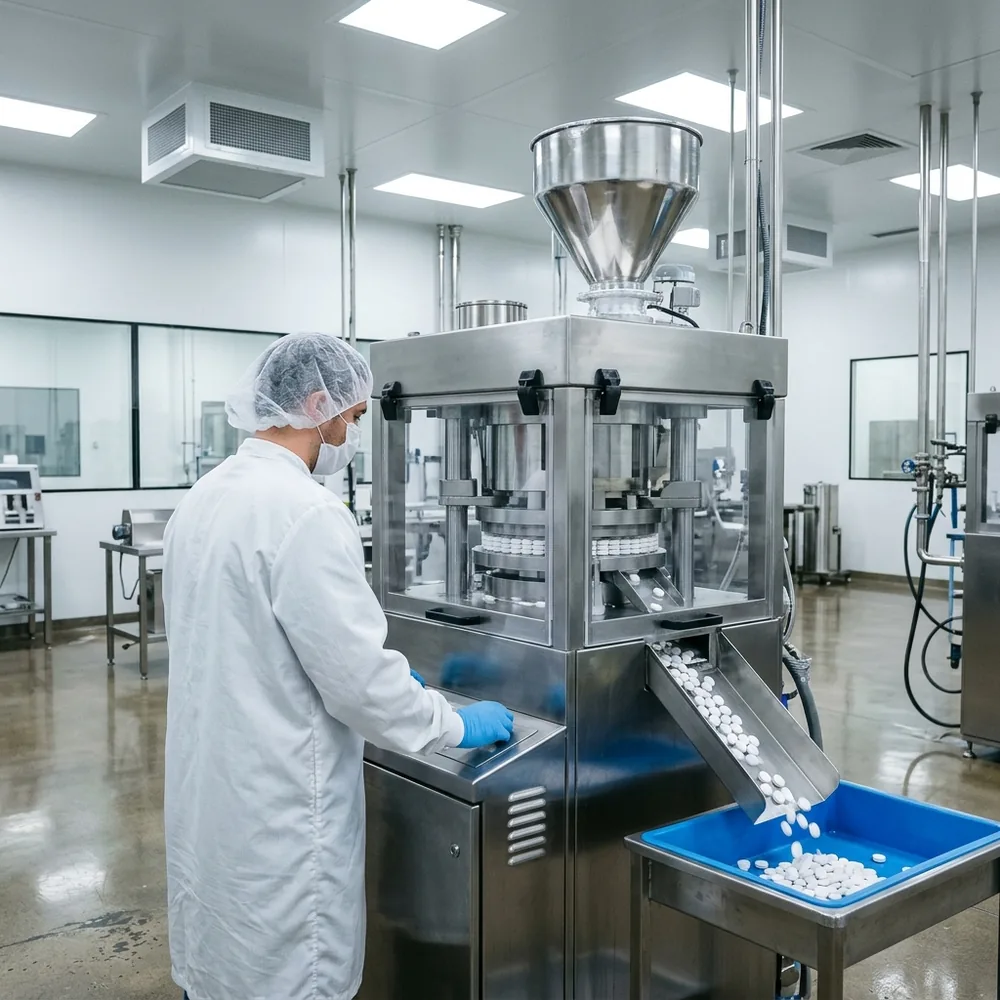
Commercial supplement tablet production relies on controlled die filling, compression force, and in-process quality checks.
- Raw material and formulation assessment: Formulators verify ingredient identity, purity, moisture content, and salt form (such as L-lysine HCl), then select functional excipients—binders, fillers, disintegrants, glidants, and lubricants—to achieve target tablet weight and disintegration.
- Blending and, where needed, granulation: Ingredients are mixed to achieve uniform distribution. If the raw powder has poor flow or low compressibility, manufacturers may use wet or dry granulation to form larger, more uniform granules before compression.
- Tablet compression: The prepared blend feeds into the dies of a tablet press machine, where punches apply controlled pressure to compact the powder into solid tablets of uniform weight and thickness.
- Product quality checks: In-process and finished-product testing typically evaluates weight variation, tablet thickness, hardness (breaking force), friability (resistance to chipping), and disintegration time, in alignment with dietary supplement Good Manufacturing Practices (GMPs).
- Packaging and storage considerations: Finished tablets are packaged in moisture-protective bottles or blister packs with appropriate desiccants and stored under controlled temperature and humidity to preserve stability.
Material Factors That Affect Tablet Compression
Not all L-lysine raw materials behave identically under pressure. Peer-reviewed pharmaceutical compaction research demonstrates that both the salt form (counterion) and crystal morphology of L-lysine directly influence tableting performance:
- A 2001 study in Pharmaceutical Research comparing multiple L-lysine salts (including acetate, monochloride, dichloride, L-aspartate, and L-glutamate) found that the counterion significantly alters yield strength, interparticulate bonding strength, and compact tensile strength across compaction pressures (Sun & Grant, PubMed 11442265).
- A companion study in the Journal of Pharmaceutical Sciences (2001) on L-lysine monohydrochloride dihydrate showed that crystal shape (plate-shaped versus prism-shaped crystals) changes compressibility, compactibility, and overall tabletability even when yield strength is similar.
In practical production, engineers evaluate seven interrelated factors during tablet compression:
- Powder flowability: Determines whether the blend moves smoothly from the hopper into the feed frame without bridging.
- Particle size and distribution: Influences both flow consistency and surface area available for bonding.
- Blend uniformity: Ensures consistent active ingredient content from tablet to tablet.
- Compressibility: Reflects how well the powder reduces in volume under applied punch force.
- Die filling: Consistent die fill is essential for controlling tablet weight accuracy at production speeds.
- Tablet strength: Sufficient tensile strength prevents capping, lamination, or chipping during handling and coating.
- Ejection behavior: Proper lubrication minimizes die-wall friction so tablets eject cleanly without sticking or picking.
Can Any Tablet Press Make L-Lysine Tablets?
No single press configuration is automatically suitable for every L-lysine formula. Whether a specific tablet press machine can reliably produce a given L-lysine tablet depends on the exact formulation (salt form, excipient ratio, and granulation state), target tablet size and shape, punch tooling design, compression force requirements, and verified trial runs.
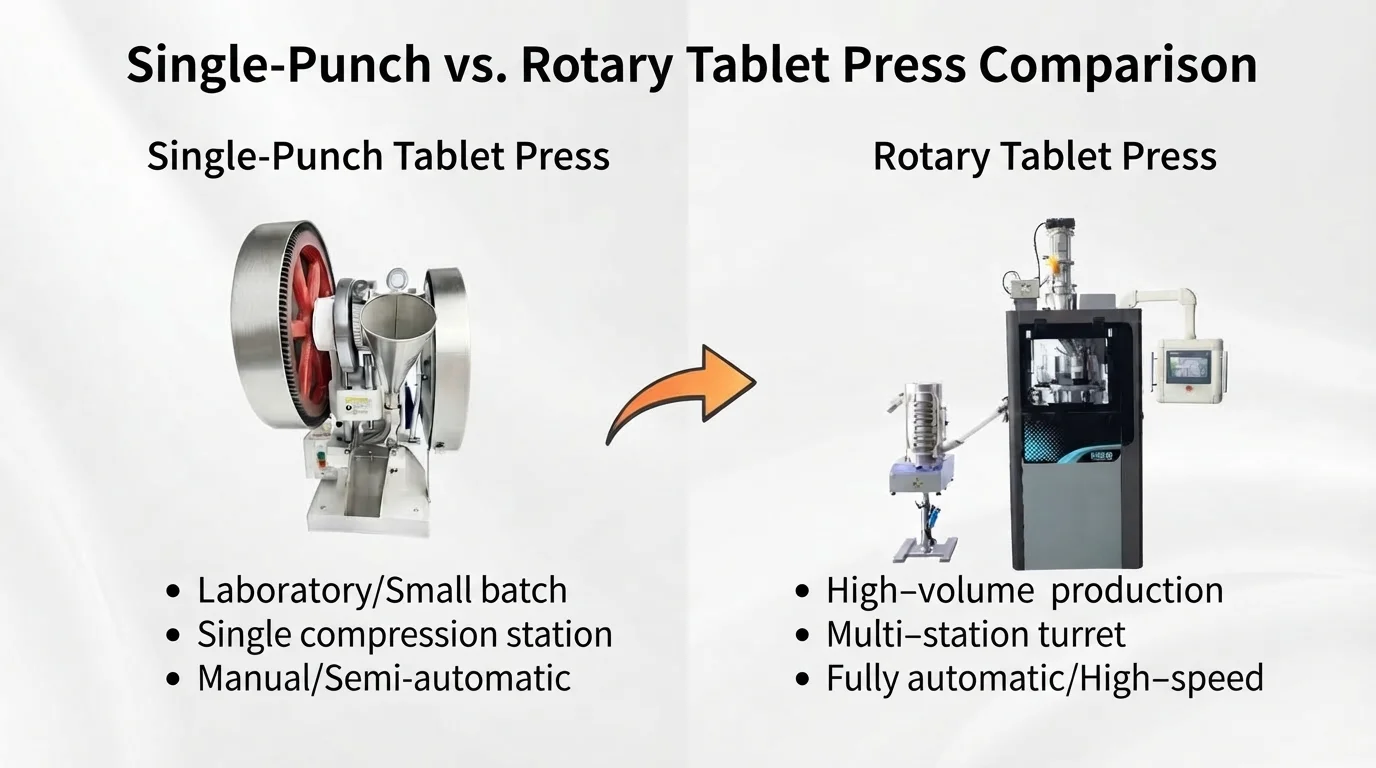
Choosing between single-punch and rotary tablet presses depends on batch scale, formulation behavior, and trial verification.
While rotary presses are widely used for commercial supplement tableting (see our Rotary Tablet Press Machine Guide for general operating principles), equipment suitability for any specific L-lysine formulation should always be confirmed through material evaluation and hands-on testing rather than assumed from general machine specifications.
Safety, Limitations and Supplement Considerations
- Educational purpose only: This article provides general nutritional and manufacturing information and does not substitute for personalized medical advice, diagnosis, or treatment.
- Evidence limits: Unlike prescription drugs, dietary supplements in the United States are not pre-approved by the FDA for safety or effectiveness before entering the market, and the strength of scientific evidence varies widely by ingredient.
- Individual health considerations: People who are pregnant, nursing, taking prescription medications, or managing underlying conditions—such as cardiovascular, kidney, or gallbladder disease—should consult a qualified healthcare professional before using lysine supplements (Mailoo & Rampes, 2017).
- U.S. regulatory boundaries on claims: Under the Dietary Supplement Health and Education Act of 1994 (DSHEA) and FDA regulations (21 CFR 101.93), dietary supplement labels may use truthful, substantiated structure/function claims—accompanied by the mandatory FDA disclaimer—but cannot legally claim to diagnose, treat, cure, or prevent any disease (FDA Structure/Function Claims).
Frequently Asked Questions
What does lysine do for the body?
Lysine is an essential amino acid that the body uses to build proteins, support normal tissue maintenance, form structural cross-links in collagen and elastin, and serve as a precursor for carnitine.
What foods are naturally high in lysine?
Animal proteins—including chicken, beef, pork, fish, shellfish, eggs, and dairy products like cheese and yogurt—are rich in lysine. Top plant-based sources include soybeans, tofu, tempeh, lentils, beans, quinoa, and pumpkin seeds.
Does everyone need a lysine supplement?
No. Most people who eat a balanced diet with adequate protein already meet their daily lysine requirements through food. Whether a supplement makes sense depends on individual dietary patterns and health goals, which should be discussed with a healthcare provider.
What is the difference between lysine tablets and capsules?
Compressed tablets typically hold a higher dose per unit (often 500–1,000 mg of L-lysine HCl) and are cost-effective at scale, though they can be larger to swallow. Hard-shell capsules are often easier to swallow and use fewer binders, but may require multiple capsules to match a single tablet’s dose.
What are the main types of tablets used in supplements?
Common supplement tablet categories include conventional compressed tablets, chewable tablets, coated (such as film-coated) tablets, effervescent tablets, and orally disintegrating tablets (ODTs). Each format requires different excipients, process controls, and sometimes additional equipment beyond standard compression.
Can a rotary tablet press manufacture lysine tablets?
Rotary tablet presses are commonly used in commercial supplement manufacturing, including for amino acid tablets. However, suitability for a specific L-lysine formulation depends on the raw material’s salt form, particle size, flowability, excipient blend, tooling, and trial-run verification.
Final Takeaways
Lysine is a vital essential amino acid with clear, established roles in protein synthesis and connective tissue structure. At the same time, many widely repeated claims about lysine benefits from supplements—including cold sore prevention, osteoporosis protection, cholesterol lowering, and general stress relief—remain limited or inconclusive in human clinical research. For most consumers, a varied, protein-rich diet comes first, and any supplement use should be guided by a qualified healthcare professional.
For nutraceutical brands and manufacturers developing solid-dose amino acid products, understanding dosage form trade-offs, tablet types, and raw-material compaction behavior is essential for consistent quality. If your team is evaluating commercial tablet production equipment, you can explore GRAND Machinery’s industrial tablet press lineup or learn more about our content standards on the GRAND Editorial Team page.
References
- National Institutes of Health (NIH), Office of Dietary Supplements. Background Information: Dietary Supplements — Fact Sheet for Consumers.
- U.S. Food and Drug Administration (FDA). Structure/Function Claims (21 CFR 101.93).
- Chi CC, Wang SH, Delamere FM, Wojnarowska F, Peters MC, Kanjirath PP. Interventions for prevention of herpes simplex labialis (cold sores on the lips). Cochrane Database of Systematic Reviews. 2015;(8):CD010095.
- Mailoo VJ, Rampes S. Lysine for Herpes Simplex Prophylaxis: A Review of the Evidence. Integrative Medicine: A Clinician’s Journal. 2017;16(3):42–46 (PMC6419779).
- Lysine: Sources, Metabolism, Physiological Importance, and Use as a Dietary Supplement. International Journal of Molecular Sciences. 2025 (PMC12469518).
- Civitelli R, Villareal DT, Agnusdei D, Nardi P, Avioli LV, Gennari C. Dietary L-lysine and calcium metabolism in humans. Nutrition. 1992;8(6):400–405 (PMID: 1486246).
- Smriga M, Ghosh S, Mouneimne Y, Pellett PL, Scrimshaw NS. Lysine fortification reduces anxiety and lessens stress in family members in economically weak communities in Northwest Syria. PNAS. 2004;101(22):8285–8288 (PMC420386).
- Smriga M, Ando T, Akutsu M, Furukawa Y, Miwa K, Morinaga Y. Oral treatment with L-lysine and L-arginine reduces anxiety and basal cortisol levels in healthy humans. Biomedical Research. 2007;28(2):85–90 (PMID: 17510493).
- Effect of lysine, vitamin B(6), and carnitine supplementation on the lipid profile of male patients with hypertriglyceridemia. Nutrition Research. 2012 (PMID: 22818869).
- Sun C, Grant DJW. Compaction Properties of L-Lysine Salts. Pharmaceutical Research. 2001;18(3):281–286 (PMID: 11442265).
- Sun C, Grant DJW. Influence of crystal shape on the tableting performance of L-lysine monohydrochloride dihydrate. Journal of Pharmaceutical Sciences. 2001;90(5):569–579.
- Cleveland Clinic. Amino Acids: Essential & Nonessential.