Softgels vs tablets may look similar, but they work differently in your body. Softgels contain liquid or oil-based ingredients inside a smooth, gelatin shell, while tablets are made by compressing powdered ingredients into a solid form. Choosing between softgels vs tablets can affect how a supplement or medication works for you. In one clinical study, researchers found that folic acid in softgels took longer to reach peak levels in the blood than tablets, even though both forms delivered similar amounts overall. Understanding these differences between softgels vs tablets can help you make smarter choices for your health.
Key Takeaways
- Softgels contain liquid ingredients in a gelatin shell, while tablets are solid and made from compressed powders.
- Softgels absorb faster in the body, making them ideal for quick results, especially for fat-soluble vitamins.
- Tablets offer precise dosing and longer shelf life, making them a cost-effective choice for many supplements.
- Consider your swallowing ability; softgels are often easier to swallow due to their smooth texture compared to tablets.
- Always consult with a healthcare provider to choose the best form based on your health needs and preferences.
Softgels vs Tablets: Key Differences
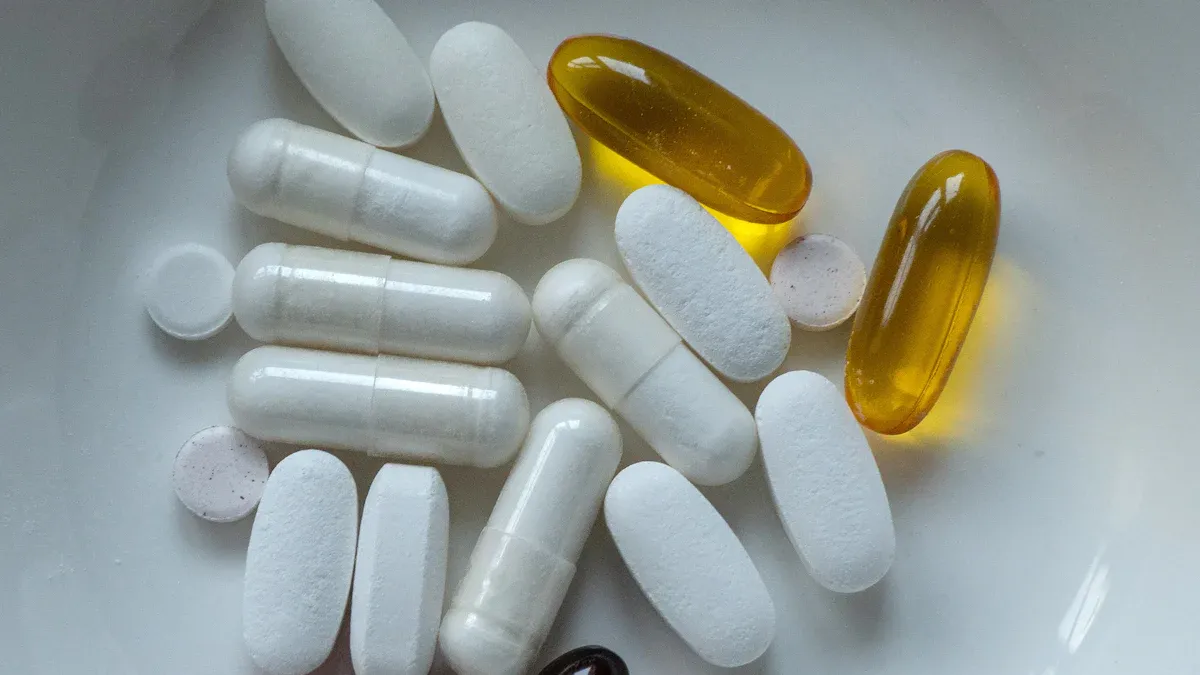
Choosing between softgels vs tablets can make a real difference in how your body receives nutrients or medications. Both forms have unique features that affect their use, effectiveness, and user experience. The table below highlights the most important differences:
| Feature | Softgels | Tablets |
|---|---|---|
| Structure | Single-piece capsules filled with liquid | Solid compressed doses made from powder |
| Production Method | Rotary die encapsulation | Blended and pressed into shape |
| Absorption | Absorbed faster due to liquid form | Requires disintegration before absorption |
| Ease of Swallowing | Smooth, easier to swallow, premium feel | Familiar, but can be hard to swallow |
| Shelf Life | Sensitive to heat and humidity | More stable, longer shelf life |
| Cost | Higher due to complex machinery and materials | Lower, faster production with cheaper materials |
| Formulation Flexibility | Best for liquid or oil-based actives | Struggles with oily or unstable ingredients |
Structure and Composition
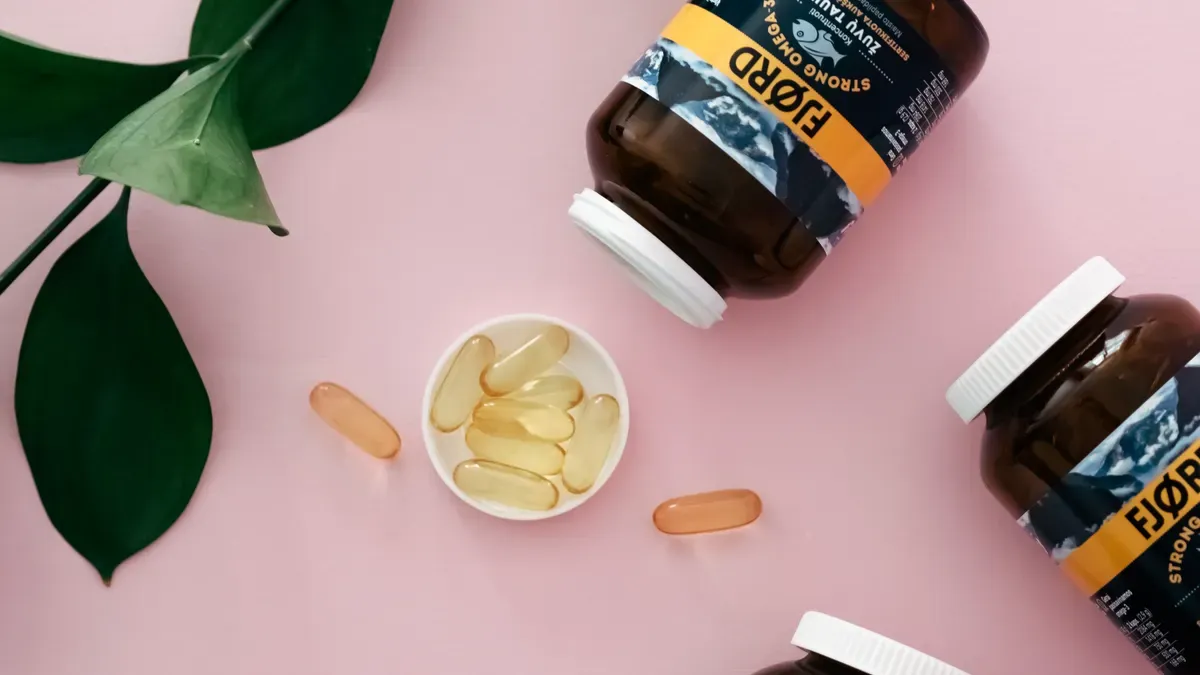
Softgels are made as a single, seamless capsule filled with liquid or oil-based ingredients. The outer shell is usually gelatin, which gives it a smooth texture. Tablets, on the other hand, are solid and formed by compressing powdered ingredients into a dense shape. This difference in structure means softgels can hold ingredients that are difficult to put into a tablet, such as oils or fat-soluble vitamins.
Absorption and Effectiveness
The liquid center of softgels allows for quicker absorption in the digestive system. Tablets must first break down before the body can absorb their contents. This can make softgels a better choice for people who want faster results. However, some studies show that the total amount absorbed may be similar for both forms, even if the timing is different.
Ease of Swallowing
Many people find softgels easier to swallow because of their smooth, slippery surface. This can be especially important for children, older adults, or anyone with difficulty swallowing pills. Tablets are more familiar but can sometimes feel dry or get stuck in the throat. Some surveys suggest that capsules, including softgels, are popular, but they may float in the mouth, which can make swallowing tricky for some people. Tablets are heavier and tend to sink, which may help them go down more easily for others.
Tip: If you have trouble swallowing pills, try the lean-forward technique or the pop-bottle method. These methods have shown to help people with swallowing difficulties, but always check with your doctor first.
Cost and Manufacturing
Softgels vs tablets also differ in how they are made and how much they cost. Making softgels requires special machines and climate control, which increases production costs. Tablets are cheaper to produce because they use simple powders and can be made quickly in large batches. This often makes tablets more affordable for consumers.
Shelf Life and Stability
Tablets usually last longer on the shelf. Their solid form protects the ingredients from air and moisture. Softgels are more sensitive to heat and humidity, which can cause them to stick together or break down over time. If you live in a hot or humid climate, tablets may be a better choice for long-term storage.
Typical Uses
Softgels are ideal for delivering oils, fat-soluble vitamins, and ingredients that need protection from air or light. Tablets work well for stable, powdered ingredients and are often used for vitamins, minerals, and many prescription drugs.
When comparing softgels vs tablets, consider your personal needs, preferences, and any swallowing difficulties. Each form has its own strengths and weaknesses, so understanding these key differences can help you make the best choice for your health.
What Are Softgels?
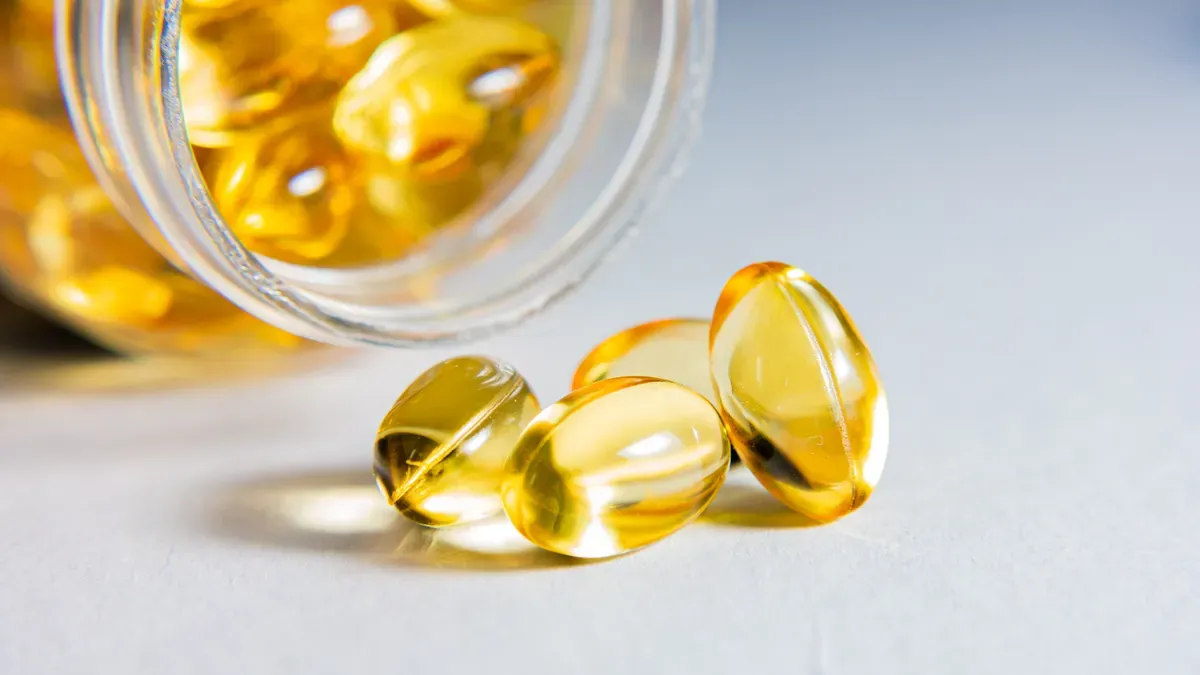
Softgels are a popular type of capsules used for delivering nutrients and medications. These capsules have a smooth, flexible shell that holds liquid or oil-based ingredients. Many people choose softgels because they offer fast absorption and are easy to swallow. The design of softgels allows for enhanced absorption of certain nutrients, making them a preferred choice for supplements that need to work quickly in the body. Compared to tablets, softgels often provide faster absorption and higher bioavailability for some ingredients, although tablets may be better for precise dosages.
How Softgels Are Made
Manufacturers create softgels using a process called rotary die encapsulation. This method forms the capsule shell and fills it with liquid at the same time. The main ingredients used in softgel capsules include:
- Gelatine, which comes from animal collagen and forms the shell
- Plasticizer, which makes the shell soft and flexible
- Water, which helps keep the shell moist during production
- Colorants and opacifiers, which protect the contents from light and help with branding
- Preservatives (optional), which prevent the growth of microbes
This unique process allows for custom-made softgel supplements that can contain oils, vitamins, or other sensitive ingredients.
Pros and Cons of Softgel Capsules
When considering the pros and cons of softgels, it helps to look at both their benefits and drawbacks. Softgels provide fast absorption, which is useful for nutrients that need to act quickly. Their smooth surface makes them easier to swallow than many other capsules or tablets. However, softgels can be more expensive and may not be suitable for all types of ingredients. They also have a shorter shelf life compared to tablets, especially in hot or humid conditions.
Common Uses of Softgels
Softgels are commonly used for vitamins, fish oil, herbal extracts, and medications that require fast absorption. Many people prefer these capsules for fat-soluble vitamins like vitamin D and omega-3 oils. Some companies offer custom-made softgel supplements to meet specific health needs. The table below shows how bioavailability can differ between softgels and tablets for certain nutrients:
| Nutrient | Bioavailability in Softgels | Bioavailability in Tablets |
|---|---|---|
| Vitamin C | Improved | Equivalent |
| β-Carotene | Diminished | Improved |
| Vitamin E | Diminished | Improved |
Softgels remain a top choice for those who want fast absorption and easy-to-swallow capsules. Their unique structure and formulation make them ideal for a wide range of supplements and medications.
What Are Tablets?
Tablets are one of the most common forms of medicine and supplements. They are solid, compact, and designed for oral use. Many people choose tablets because they are convenient, portable, and allow for accurate dosing. Unlike softgels, tablets may not always be as easy to swallow, especially for those who have trouble with larger pills. However, their popularity comes from their versatility and reliability.
How Tablets Are Manufactured
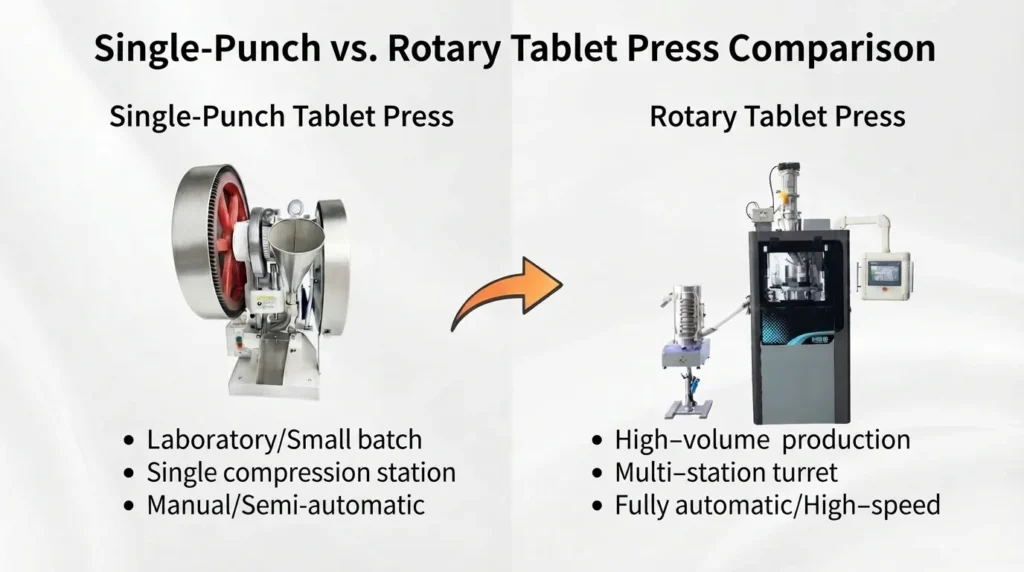
Manufacturers create tablets by compressing powdered ingredients into a solid shape. This process uses tablet press machines that ensure each tablet contains the right amount of active ingredient. The table below shows the main components found in most tablets:
| Component Type | Description |
|---|---|
| Active Ingredients | Deliver therapeutic effects; essential for the tablet’s purpose. |
| Binders | Hold the tablet together; prevent crumbling. Common example: microcrystalline cellulose. |
| Disintegrants | Help the tablet break apart in the body; example: sodium starch glycolate. |
| Fillers (Diluents) | Bulk up the tablet; examples include lactose and microcrystalline cellulose. |
| Lubricants | Prevent sticking during production; magnesium stearate is a common choice. |
| Coatings | Mask tastes and protect ingredients; hydroxypropyl methylcellulose is used for sustained release. |
Each part of the tablet serves a purpose. Binders keep the tablet intact, while disintegrants help it dissolve after swallowing. Coatings can make tablets easier to take and protect sensitive ingredients.
Pros and Cons of Tablets
The pros and cons of tablets depend on their design and use. Tablets offer precise and accurate dosing, which is important for both supplements and medications. They can hold higher concentrations of active ingredients compared to softgels. Tablets also have excellent stability and a long shelf life, making them cost-effective for both manufacturers and consumers.
However, tablets can sometimes be difficult to swallow, especially for children or older adults. Some tablets may have a chalky taste or rough texture. While coatings can help, they do not always make tablets as easy to swallow as softgels.
Note: If you have difficulty swallowing tablets, ask your pharmacist if a smaller size or a different form is available.
Common Uses of Tablets
Tablets are used for a wide range of products. They are common for vitamins, minerals, pain relievers, and prescription medications. Many people rely on tablets for daily supplements because they provide accurate dosing and are easy to store. Extended-release tablets can deliver medicine slowly over time, which helps maintain steady levels in the body.
The table below compares tablets and softgels in several important areas:
| Feature | Tablets | Softgels |
|---|---|---|
| Dosage Control | High precision due to solid, compressed form | Lower precision due to liquid formulation |
| Active Ingredient Concentration | Higher concentrations possible | Limited by liquid capacity |
| Absorption Mechanism | Solid form allows for controlled release | Liquid form may vary in absorption speed |
| Stability | Excellent stability | Potentially reduced shelf life |
| Cost | Generally more cost-effective | Typically higher cost |
Tablets remain a trusted choice for those who value accurate dosing, stability, and cost savings.
Softgels vs. Tablets vs. Hard Capsules: Key Differences at a Glance
Absorption and Bioavailability
Absorption and bioavailability are important when choosing between softgels, tablets, and hard capsules. Softgels usually offer enhanced absorption because they contain liquids that dissolve quickly in the stomach. This can lead to improved bioavailability, especially for nutrients or medicines that do not dissolve well in water. Hard capsules are versatile and can hold powders or some liquids, but they may not work as well for complex liquid formulas. Tablets often take longer to break down, which can delay absorption and sometimes result in less of the active ingredient reaching the body.
| Dosage Form | Absorption Characteristics | Bioavailability Characteristics |
|---|---|---|
| Softgels | Enhanced absorption due to liquid content, faster dissolution | Improved bioavailability, especially for poorly soluble drugs |
| Hard Capsules | Versatile but may not encapsulate complex liquids | Generally lower bioavailability compared to softgels |
| Tablets | Solid form may lead to delayed absorption | Often shows insufficient absorption for poorly soluble drugs |
Ingredients and Formulation
Each form uses different ingredients and methods. Softgels are made from gelatin and antioxidants, and they are sealed tightly to protect the contents. Hard capsules also use gelatin but come in two pieces that fit together. They usually hold powders or small beads. Tablets are made by pressing powders together, sometimes with a coating to make swallowing easier.
| Type | Ingredients and Formulation | Advantages | Disadvantages |
|---|---|---|---|
| Softgels | Gelatin (animal or vegetarian), antioxidants, sealed shell | Easy to swallow, protects taste, dissolves quickly | Can be large, may intimidate some users |
| Hard Capsules | Gelatin, two-piece design, powder or liquid fill | No taste, flexible, faster than tablets | More prone to tampering, may need more capsules |
| Tablets | Powdered ingredients, sometimes coated | High dosage, cheap to produce | Unpleasant taste, longer absorption time |
Shelf Life and Stability
Tablets usually have the longest shelf life. Their solid form protects the ingredients from air and moisture. Softgels also last a long time because their shell keeps out light and oxygen, but they can stick together in hot or humid places. Hard capsules are stable but can be affected by moisture if not stored properly.
Ease of Swallowing
Many people find softgels and hard capsules easier to swallow than tablets. The smooth surface of softgels helps them go down easily. Hard capsules are also smooth and tasteless. Tablets can be dry or chalky, which makes swallowing harder for some people.
- 32% of people report difficulty swallowing tablets or capsules whole.
- 55% have found it difficult to swallow tablets or capsules at some point in their life.
Tip: If you have trouble swallowing pills, ask your pharmacist about alternative forms.
Cost and Manufacturing Process
Tablets are the most cost-effective to produce. Hard capsules are more economical than softgels, which require special machines and materials.
| Type | Manufacturing Cost Comparison |
|---|---|
| Softgels | Typically involves higher costs |
| Hard Capsules | More economical than softgels |
| Tablets | Most cost-effective to produce |
Choosing the right form depends on your needs, preferences, and budget.
Which One Is Right for You, Softgels vs Tablets?
When to Choose Softgels
Softgels are a great option for people who want fast results from their supplements or medications. The liquid inside these capsules allows for quicker absorption and higher bioavailability, especially for fat-soluble vitamins. Many consumers find softgels easier to swallow because of their smooth and soft texture. This can be helpful for children, older adults, or anyone who struggles with swallowing larger tablets. Softgels are also ideal for delivering oils and other ingredients that do not work well in solid form. If you need a supplement that acts quickly or contains sensitive ingredients, softgels may be the right choice.
Tip: Softgels can be especially useful for dietary supplements that need to enter the bloodstream fast, such as omega-3s or vitamin D.
When to Choose Tablets
Tablets remain the most common form for many capsules and dietary supplements. They offer accurate dosing and can hold higher amounts of active ingredients. Tablets are also more stable and have a longer shelf life, making them a cost-effective choice for both manufacturers and consumers. If you need a supplement that is easy to store and provides precise dosing, tablets are a strong option. Some tablets come with coatings to make swallowing easier, but they may still be challenging for those with swallowing difficulties.
| Advantages of Tablets | Disadvantages of Tablets |
|---|---|
| Accurate dosing and stable quality | May be slower in efficacy |
| High production efficiency and low cost | May irritate the gastrointestinal tract |
| Can be made into various types |
Conclusion
Choosing between softgels vs tablets form depends on your formulation, production requirements, and target market. Whether you are manufacturing softgels or tablets, having the right equipment and a reliable production solution is essential for achieving consistent quality and efficient production.
Grand Machinery provides complete production equipment and integrated solutions for both softgel capsules and tablets. From softgel production equipment and capsule manufacturing systems to tablet presses, coating machines, and supporting automated packaging lines, we can help you build a production line tailored to your needs.
Looking to start or upgrade your softgels vs tablets production? Contact Grand Machinery to explore the right equipment and complete production solution for your business.
FAQ
What is the main difference between softgels vs tablets?
Softgels contain liquid or oil-based ingredients inside a gelatin shell. Tablets are solid and made by compressing powders. This difference affects absorption, ease of swallowing, and shelf life.
Softgels vs tablets: Are they the same?
Capsules usually hold powders or small beads. Softgels are a type of capsule with a liquid center. Both offer easier swallowing than tablets, but softgels often provide faster absorption.
Which is easier to swallow: softgels vs tablets?
Most people find softgels easier to swallow. Their smooth surface helps them go down quickly. Tablets can feel dry or rough, which may make swallowing harder for some users.
Do softgels absorb faster than tablets?
Softgels often absorb faster because they contain liquids. Tablets must break down before the body can use their ingredients. This can delay absorption compared to softgels.
Can I switch between tablets, capsules, and softgels?
Switching is possible, but always check with your healthcare provider. Each form—softgels, tablets, or capsules—may affect how your body absorbs nutrients or medications.