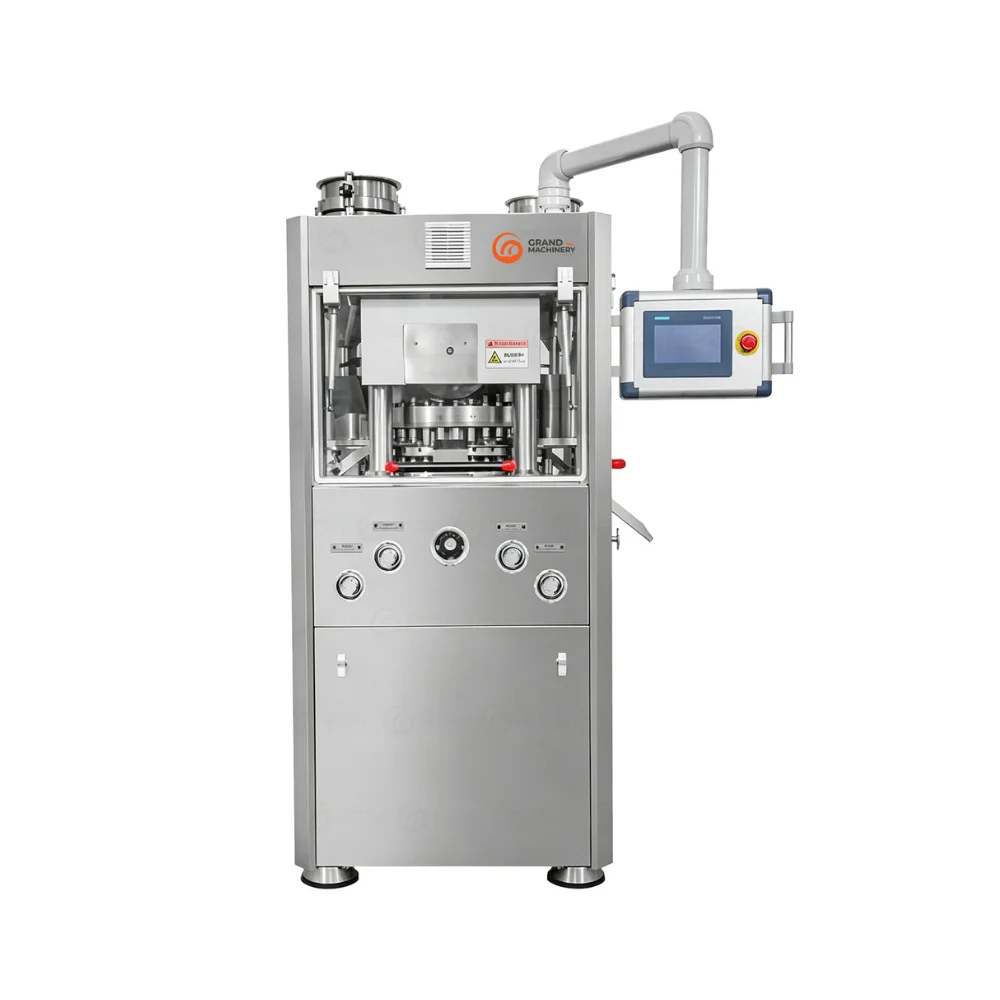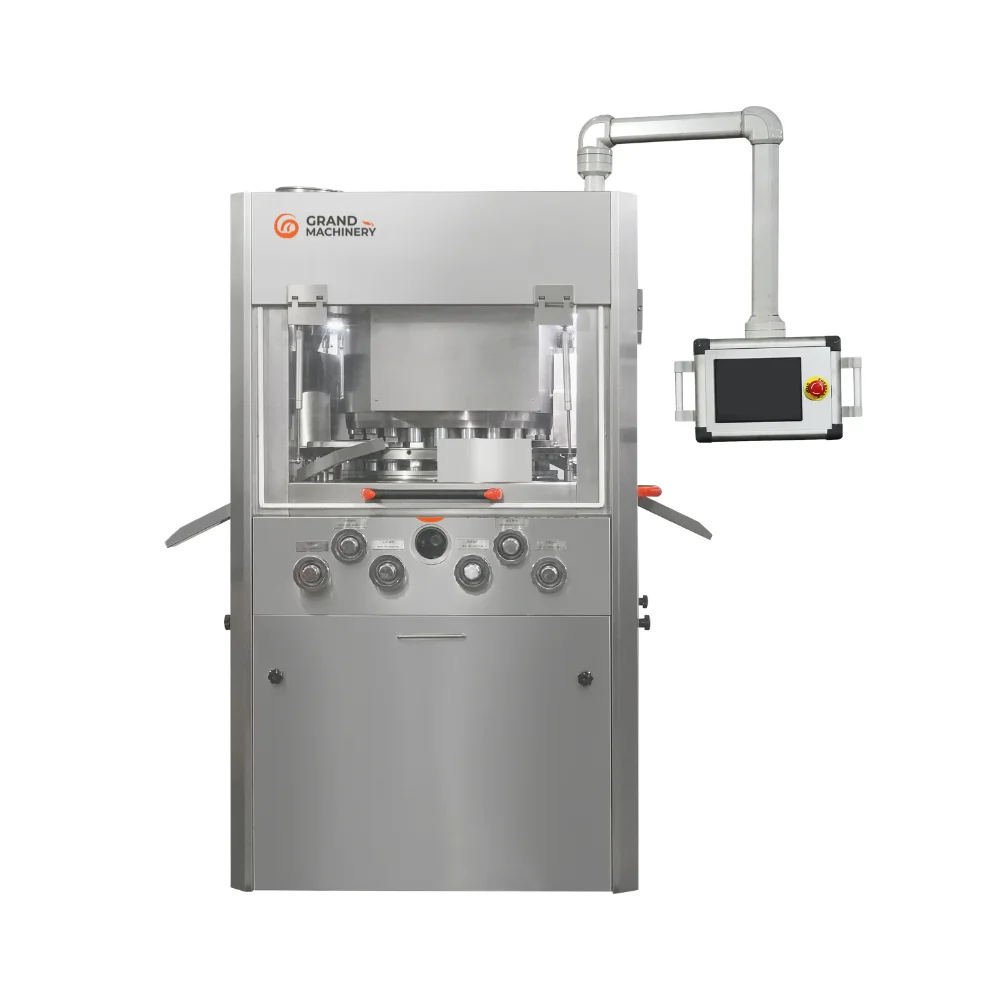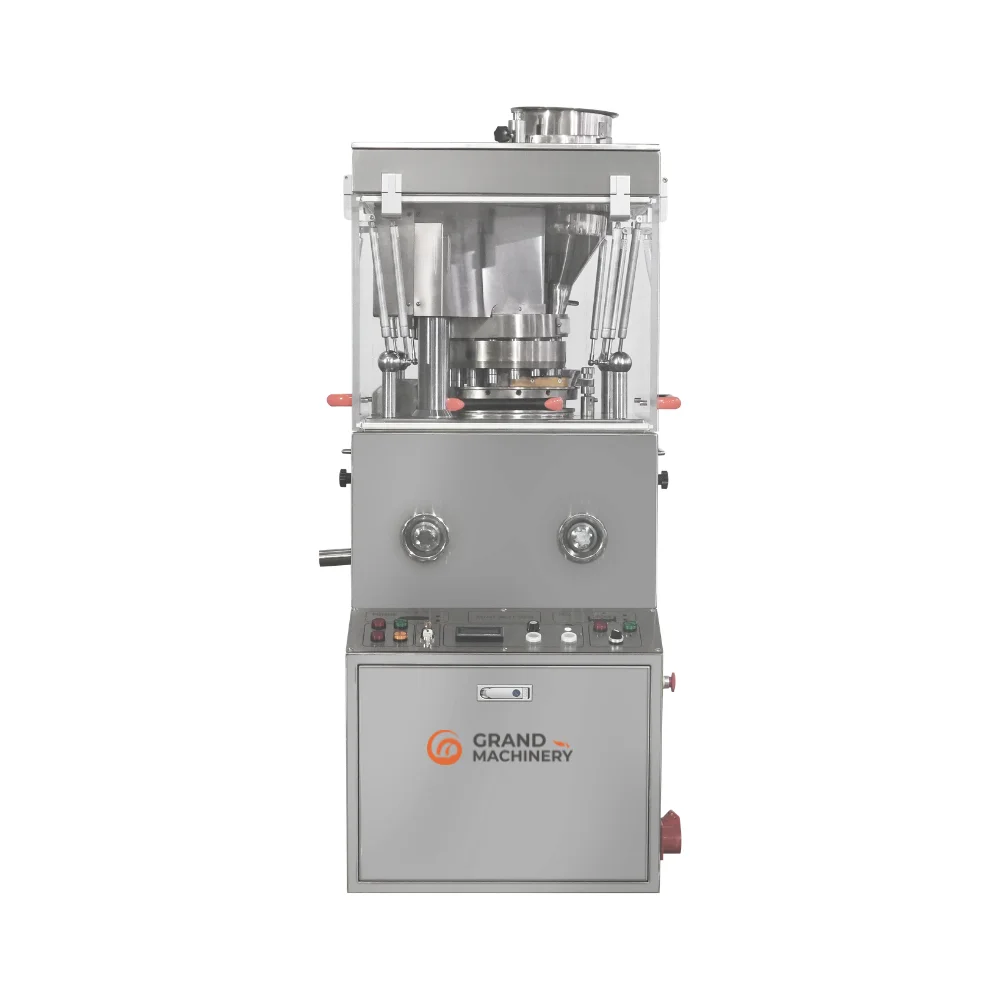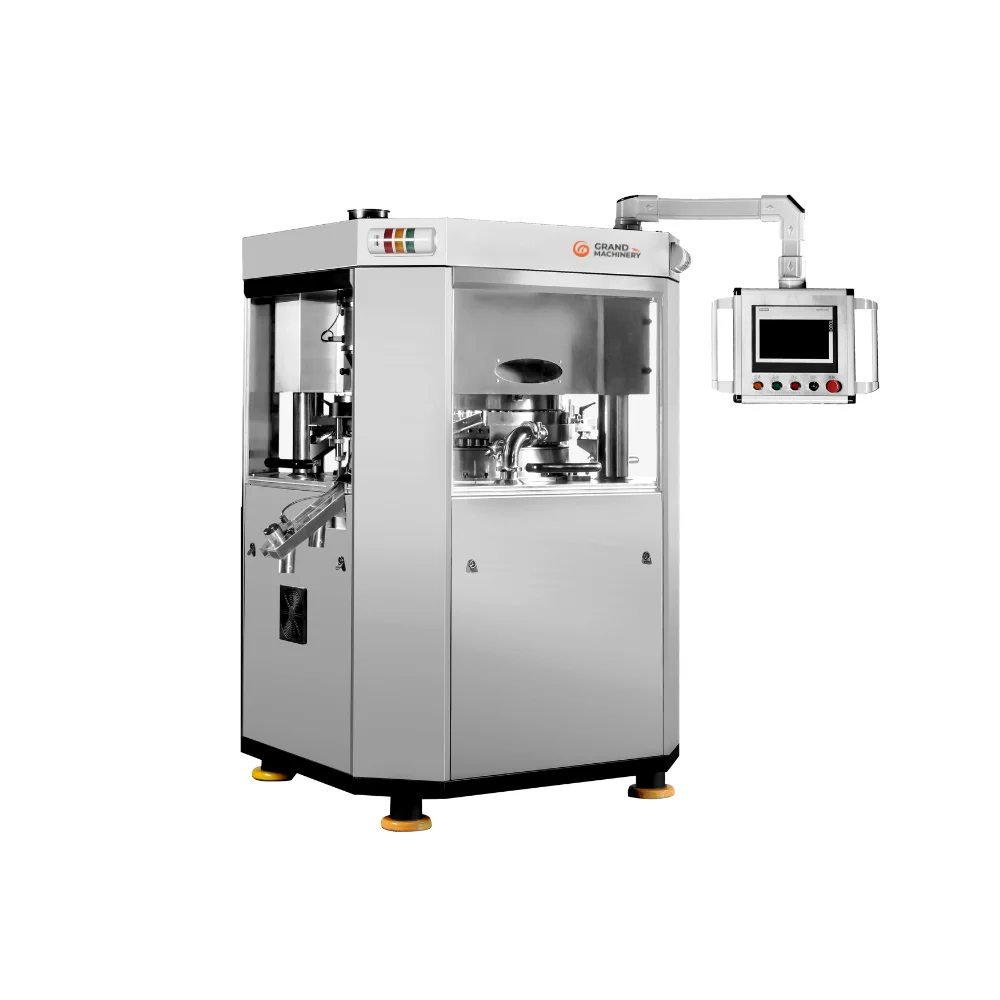

On a double discharge tablet press, finished tablets exit from both sides of the turret — doubling discharge flow, reducing mechanical stress, and keeping output continuous. Grand Machinery double discharge models deliver up to 198,000 tablets per hour with GMP-compliant, PLC-controlled precision.
Grand Machinery double discharge tablet presses span high-speed pharmaceutical platforms and versatile double-rotary production machines. Every model in this range uses double-side output or double-rotary compression to maximize throughput per turret revolution — with GMP-compliant stainless construction and international standard tooling across the board.
Single-side discharge is the traditional bottleneck of turret compression. Double discharge removes it — here is what that means on your production floor.
Round, inscribed, irregular, ring, and two-color shaped tablets — double-sided platforms like the ZPT226 even support bi-color compression within the same discharge principle.
Balanced ejection from two sides reduces punch and die stress at speed — extending tooling life and cutting your cost per tablet over the machine's lifetime.
Fully enclosed stainless bodies, transparent observation windows, and centralized controls keep production clean, visible, and easy to run with minimal training.
The compression cycle is the same precision process you know — the difference is what happens at the end of it.
Granules flow from feeders into the die as the turret rotates, with fill depth controlled per station for consistent tablet weight.
A first pressure stage progressively densifies the granules, expelling air and preventing capping before main compression.
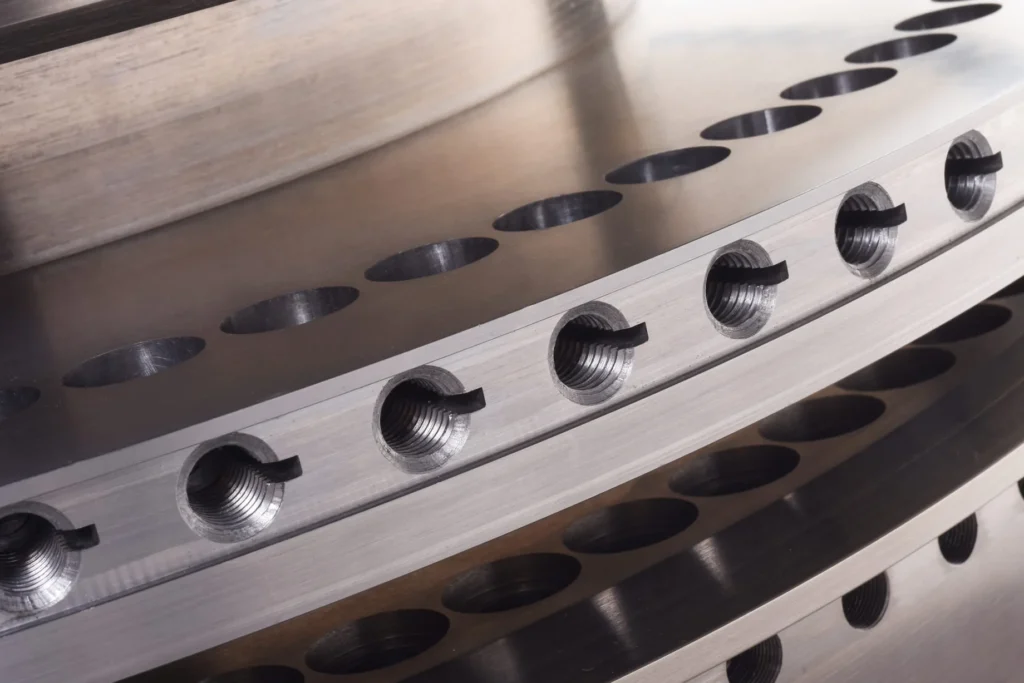
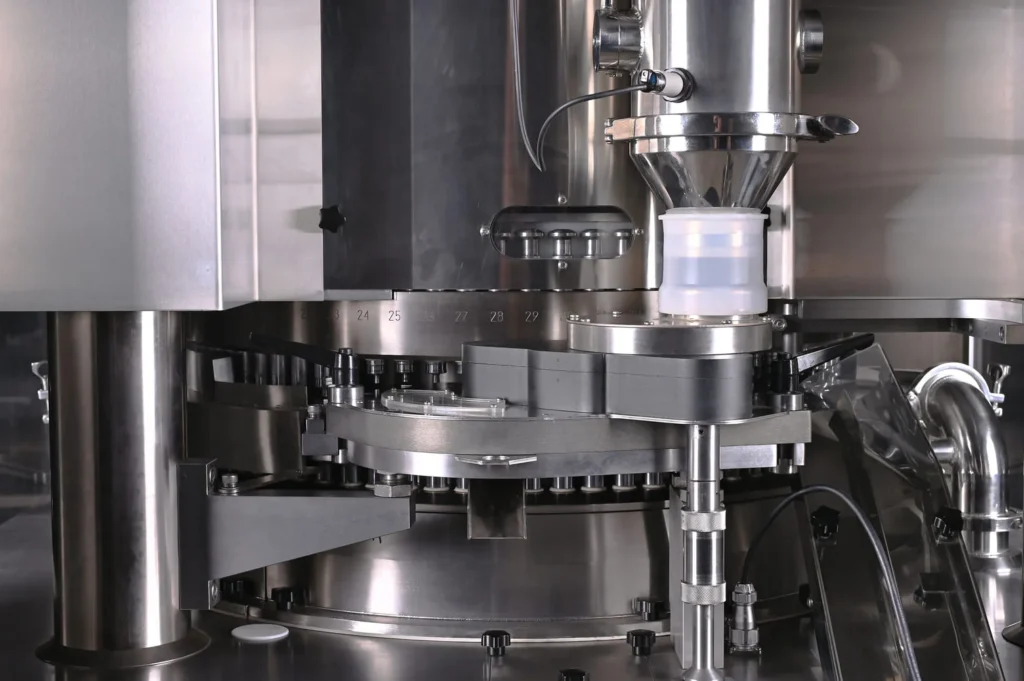
Rollers deliver the full compression force (up to 100KN in this range), forming the tablet to its final hardness and thickness.
The key difference: tablets are pushed out and guided to discharge on both sides of the turret simultaneously, flowing to two collection points instead of one.
Both produce quality tablets — the difference shows up in your throughput math. Here is the side-by-side.
| Dimension | Double Discharge Tablet Press | Single Discharge Tablet Press |
| Ejection points | Two sides of the turret | One side |
| Output potential | Up to 198,000 tablets/hour | Typically 10,000–40,000 tablets/hour |
| Mechanical load | Balanced two-side ejection, less stress | Full load on single ejection side |
| Best run type | Long, single-SKU continuous production | Short runs, frequent changeovers |
| Downstream requirement | Two collection/feed points | Single collection point |
| Typical investment | Higher upfront, lowest cost per tablet | Lower upfront, higher cost per tablet at scale |
| Representative models | GZPK660, ZPT420, GZP500, ZPT226 | ZP130, ZP168, ZP200 series |
Running long batches at serious volume? Double discharge will pay for itself. For smaller or mixed production, browse our rotary tablet press range — or send us your recipe and output target, and our engineers will run the numbers within 24 hours.
Double discharge pays off in specific scenarios. Check your operation against these five points before you decide.
Double-sided output shines on long, single-SKU runs measured in days, not hours. Frequent changeovers favor smaller single-discharge rotary models instead.
Above roughly 100,000 tablets/hour, double discharge or double-rotary platforms (GZPK660, ZPT420) are the efficient route; below that, weigh against mid-range rotary presses.
Two discharge points feed dedusting, metal detection, and collection twice as fast — confirm your downstream equipment can absorb the flow before upsizing the press.
Need two-color, ring, or shaped tablets? Double-sided platforms like the ZPT226 handle them; confirm tooling and feeder configuration at inquiry stage.
Short on time? These are the questions buyers ask before choosing a double-sided platform — answered straight by our engineers.
A double discharge tablet press is a rotary tablet compression machine that ejects finished tablets from both sides of the turret simultaneously, instead of a single discharge point. This doubles ejection flow, balances mechanical load, and supports continuous high-volume output — Grand Machinery double discharge and double-rotary models reach up to 198,000 tablets per hour.
Two main advantages: throughput and tooling life. Two ejection points allow higher turret speeds without tablets jamming or stacking, and balanced ejection reduces stress on punches and dies. The result is more tablets per hour with a lower cost per tablet over the machine’s lifetime.
The range covers four platforms: the GZPK660 high speed press with double-sided discharge, the ZPT420 double-rotary press (up to 198,000 tablets/hour), the GZP500 double-press rotary machine for difficult-to-form materials, and the ZPT226 double-sided press for round, ring, and two-color shaped tablets up to 24,000 tablets/hour.
Yes. The ZPT226 is engineered for round, ring, and shaped two-color tableting in 8, 12, and 16 punch configurations. For high-volume pharma production of round or irregular tablets, the GZP500 and GZPK660 cover large-batch requirements.
Double discharge feeds two collection points, so dedusting, metal detection, and tablet handling should be configured for two inlets — or merged with a properly sized conveyor. Our engineers review your line layout before delivery to ensure the discharge flow matches your downstream capacity.
Every Grand Machinery double discharge tablet press ships with manuals and video guidance, plus remote installation support and operator training. Punch tooling and wear parts follow international standards (IPT/D, 10D, 14B) and are stocked for fast global shipping, with lifetime technical support from our engineering team.
Let's Chat