How are vitamin gummies made? Vitamin gummies are made by cooking a syrup-gel base, blending in heat-sensitive actives under controlled temperatures, depositing the mix into molds, drying it to a target moisture level, and finishing with coating, quality checks, and automated counting and packaging. The same sequence runs in every gummy vitamin factory, but the details — temperature limits, dosing accuracy, drying time — are what separate a stable, shelf-ready supplement from a sticky, under-dosed one.
This guide walks through the full vitamin gummy manufacturing process step by step, then maps each stage to the machines that actually do the work, so you can judge what a production line really requires.
Key Takeaways
- Vitamin gummy production follows nine stages: formulation, cooking, active blending, depositing, cooling, drying, finishing, quality control, and packaging.
- Heat management is the core technical constraint: syrups cook at 107–115 °C, but most vitamins must be blended in below roughly 85 °C to protect potency.
- Formulators build in an “overage” of heat-sensitive nutrients to compensate for processing losses and meet label claims.
- Each process stage corresponds to a specific machine — cooker, holding and dosage tanks, depositor, cooling tunnel, tumble dryer, coater, and counting line.
- Planning a vitamin gummy production line means matching equipment capacity to your batch size, mold system, and drying capacity, not just buying machines one by one.
What Are Vitamin Gummies?
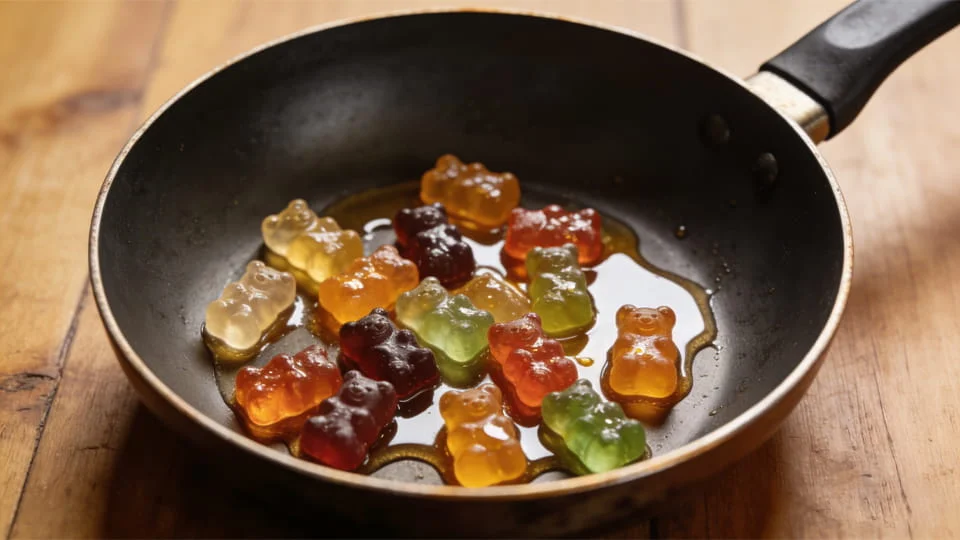
Vitamin gummies are chewable supplements that deliver vitamins, minerals, or botanical actives in a gelatin- or pectin-based confectionery format. They started as a child-friendly alternative to tablets, but the format now covers adult multivitamins, sleep support, beauty, and immunity products.
From a manufacturing standpoint, they are harder to make than regular candy. The active ingredients are sensitive to heat, moisture, and pH, and every single gummy must carry a verified dose. That is why the process below is built around temperature control and dosing precision rather than flavor alone.
Key Ingredients in Vitamin Gummy Formulation
Gelling Agents: Gelatin vs Pectin
The gelling system defines texture, processing behavior, and market positioning. Gelatin produces the classic elastic bite, hydrates easily, and sets quickly, which keeps line speeds high. Pectin, a plant-derived gelling agent, serves vegan, vegetarian, and halal positioning but demands tighter pH control, higher setting temperatures, and longer drying. Carrageenan and agar appear in niche formulations where extra heat stability is needed.
The choice affects the whole line: pectin recipes typically need adjusted depositing temperatures and longer residence in the dryer. For a deeper comparison, see our guide to gelatin vs pectin for gummy formulation.
Heat-Sensitive Actives: Vitamins, Minerals and Overage
This is where vitamin gummies differ most from confectionery gummies. Vitamin C and several B vitamins degrade at cooking temperatures, so formulators calculate an overage — extra active beyond the label claim — to offset processing loss. Minerals bring their own challenges: iron discolors and generates off-tastes, and some mineral salts interact with pectin’s gel structure.
Probiotics and enzymes are the most fragile of all. These are usually blended in at the lowest practical temperature, microencapsulated, or added post-cooking.
Sweeteners, Flavors, Colors and Acids
Sugar or glucose syrup typically makes up 40–50% of the batch, with sugar-free versions using sorbitol, maltitol, or stevia. Citric or malic acid balances flavor and keeps pH in the 2.5–4.5 range, which suppresses microbial growth and stabilizes many actives. Colors and flavors are dosed in the final blending phase to limit thermal exposure.
The Vitamin Gummy Manufacturing Process, Step by Step
Step 1: Formulation and Batch Preparation
R&D fixes the active matrix, gelling system, and overage strategy, then production weighs every raw material against the batch record. Incoming lots are checked against certificates of analysis before release. A premix of dry vitamins and minerals is blended separately so the actives distribute evenly through the batch instead of concentrating in a few deposits.
Step 2: Cooking the Syrup-Gel Base
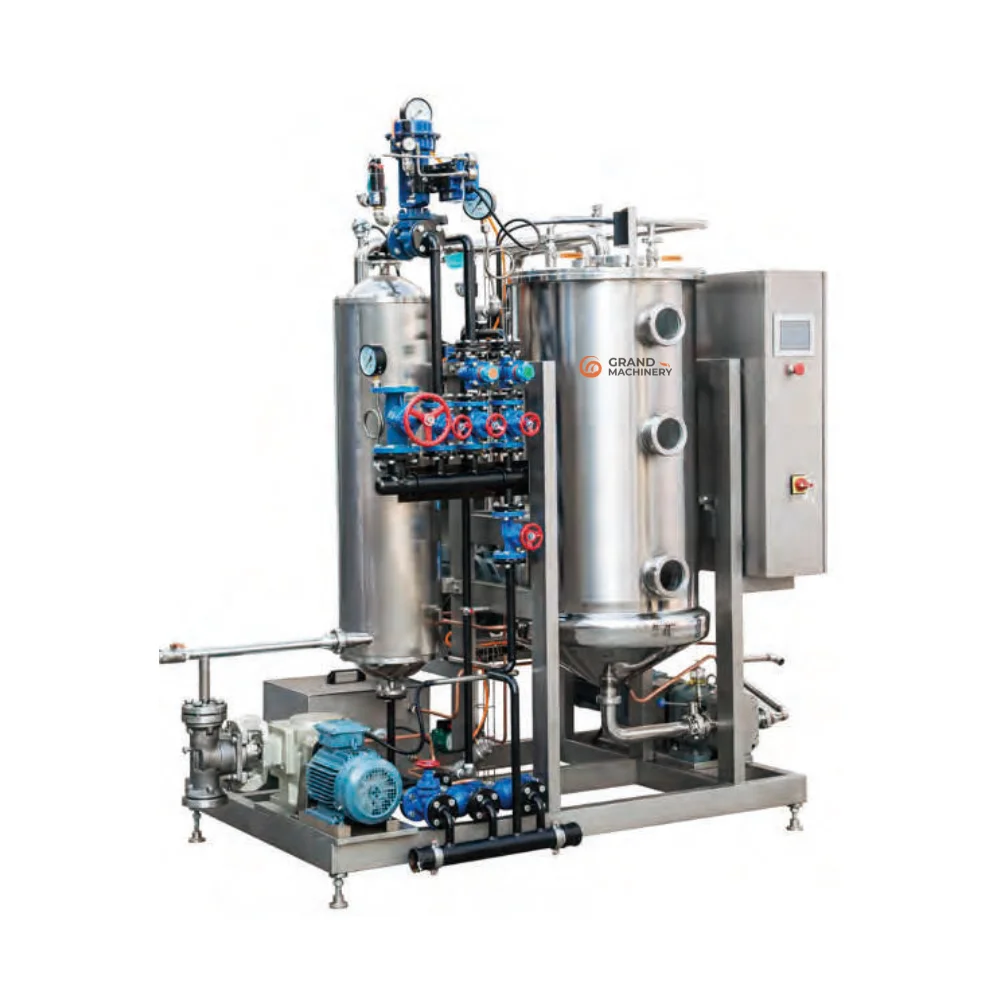
Water, sugar, and glucose syrup are heated to 107–115 °C to reach the target Brix (typically 75–82%), then the hydrated gelling agent is blended in. A dedicated gummy cooker with jacketed heating and vacuum support removes excess moisture and holds the slurry at set temperature until depositing. Because the cook stage is where texture is won or lost, PLC-controlled time, temperature, and vacuum logging are standard on production-scale equipment.
Step 3: Adding Actives, Flavors and Colors
The slurry cools to a narrow blending window — commonly below 85 °C for heat-sensitive vitamins — before the premix, flavors, colors, and acids go in. Mixing must be thorough but gentle: high shear or trapped air oxidizes actives and creates bubbles in the finished gummy. Vacuum-assisted mixing is widely used at this stage to protect potency and produce a clear, uniform mass.
Step 4: Depositing into Molds
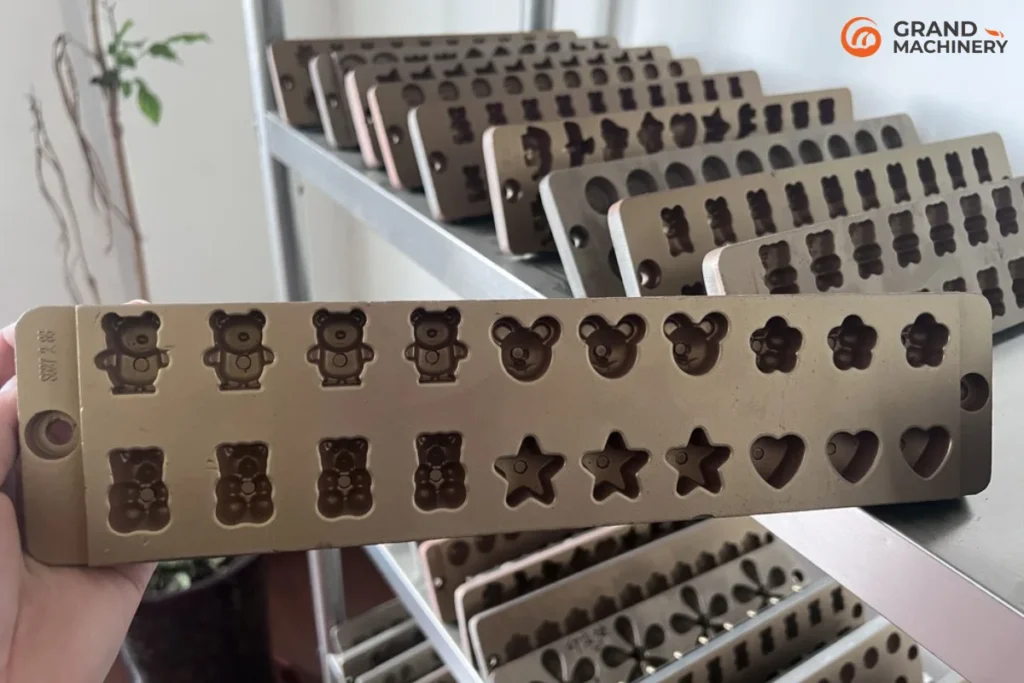
A gummy depositing machine meters the flavored mass into mold cavities with dosing accuracy typically within ±2% of target weight — the single most important control point for label-claim compliance. Industrial lines run either starch mogul molds, which absorb moisture during drying, or silicone/stainless molds on fully automatic depositing lines. Multi-color and center-filled products use co-depositing heads.
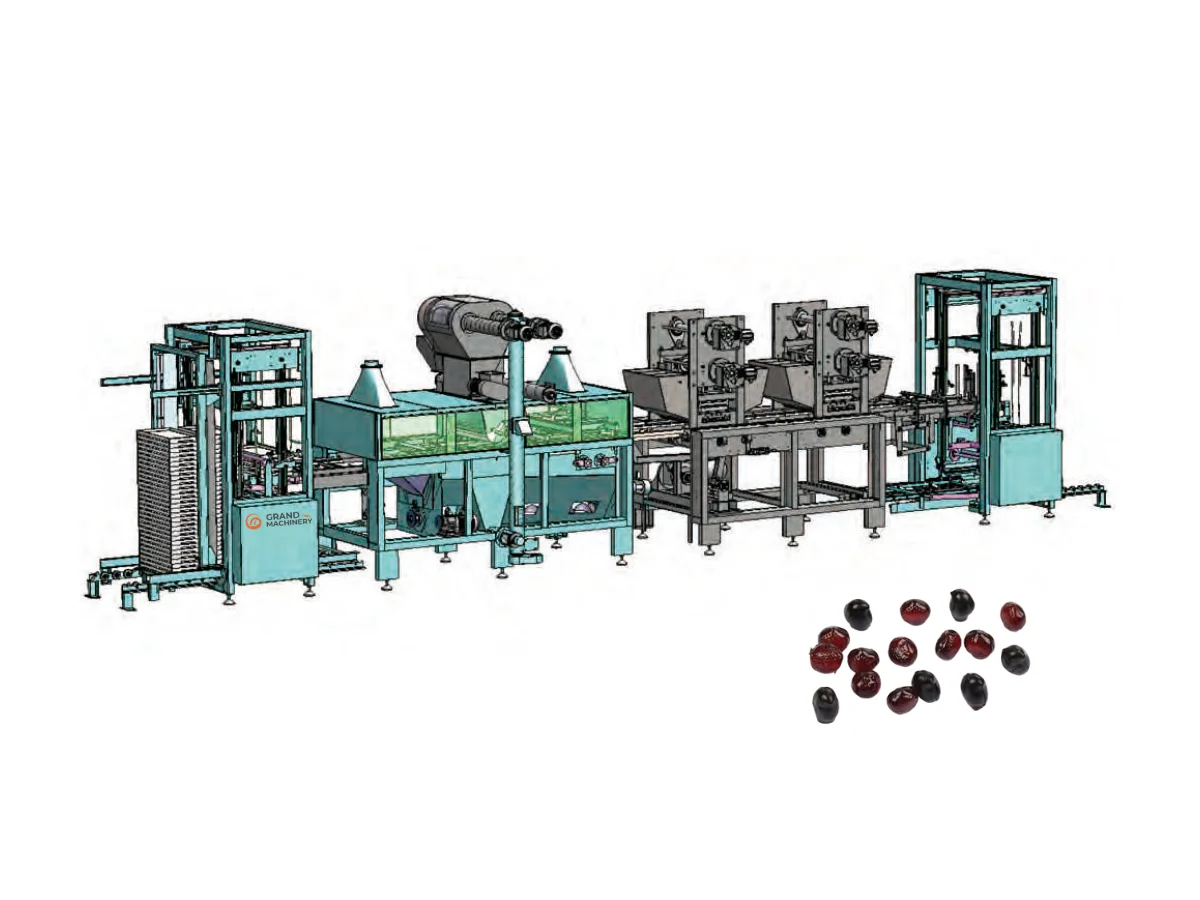
Both gelatin lines such as the GM150 and pectin-specialized lines follow this same depositing logic; the difference lies in slurry temperature and mold handling.
Step 5: Cooling and Setting
Filled molds pass through a cooling tunnel or conditioned room held around 18–22 °C and 40–55% RH. Gelatin gummies set in roughly 15–45 minutes; pectin needs longer and more precise pH conditions. Under-setting leaves the surface tacky and prone to clumping later in the bottle.
Step 6: Drying and Conditioning
Demolded gummies enter a tumble dryer or conditioned drying room for 12–48 hours, drifting down to a final moisture content of roughly 12–18%. This is the longest stage of the process and the one most responsible for shelf behavior: too little drying and gummies stick together in the pack, too much and the texture turns hard and brittle. We covered this failure mode in detail in our article on why gummy vitamins stick together.
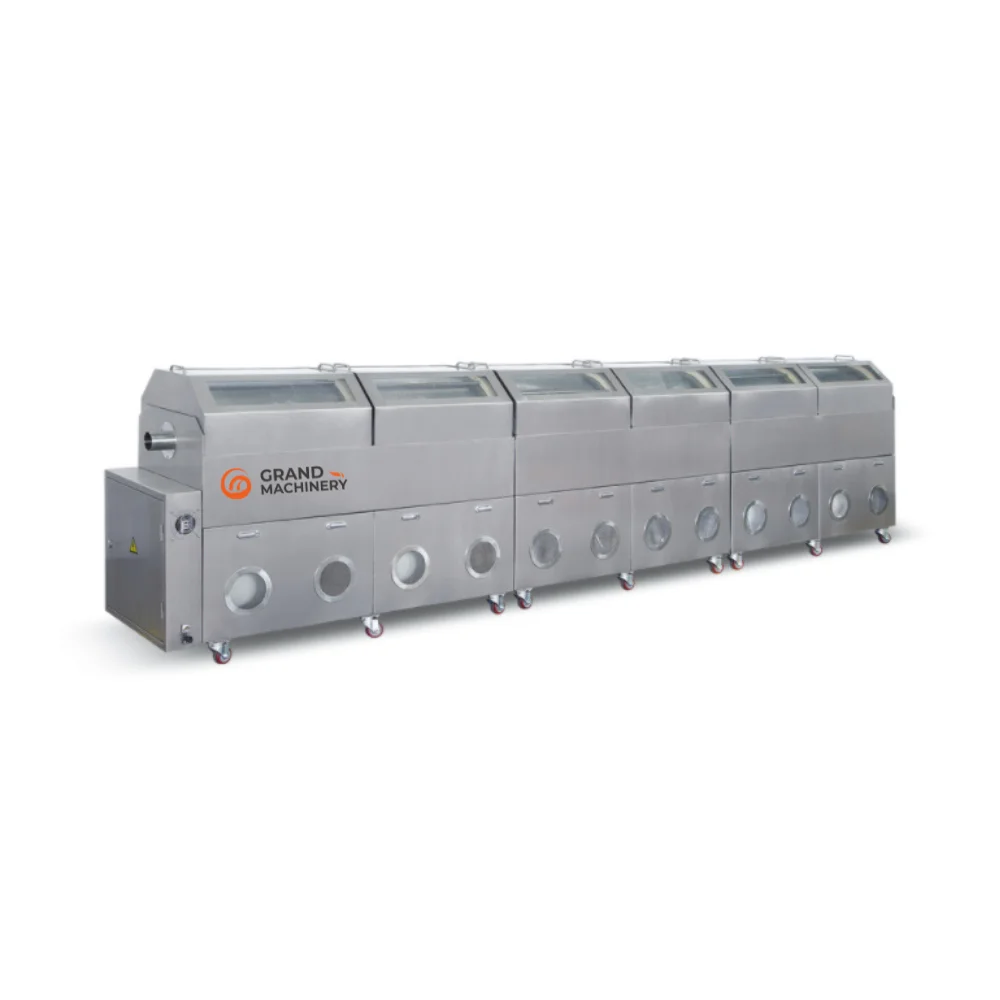
Step 7: Demolding, Oiling and Coating
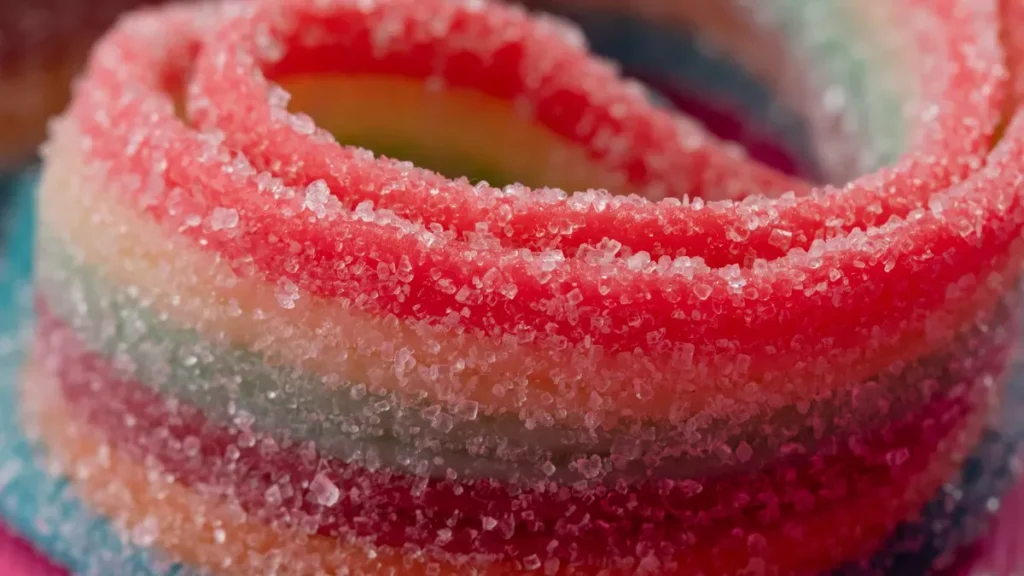
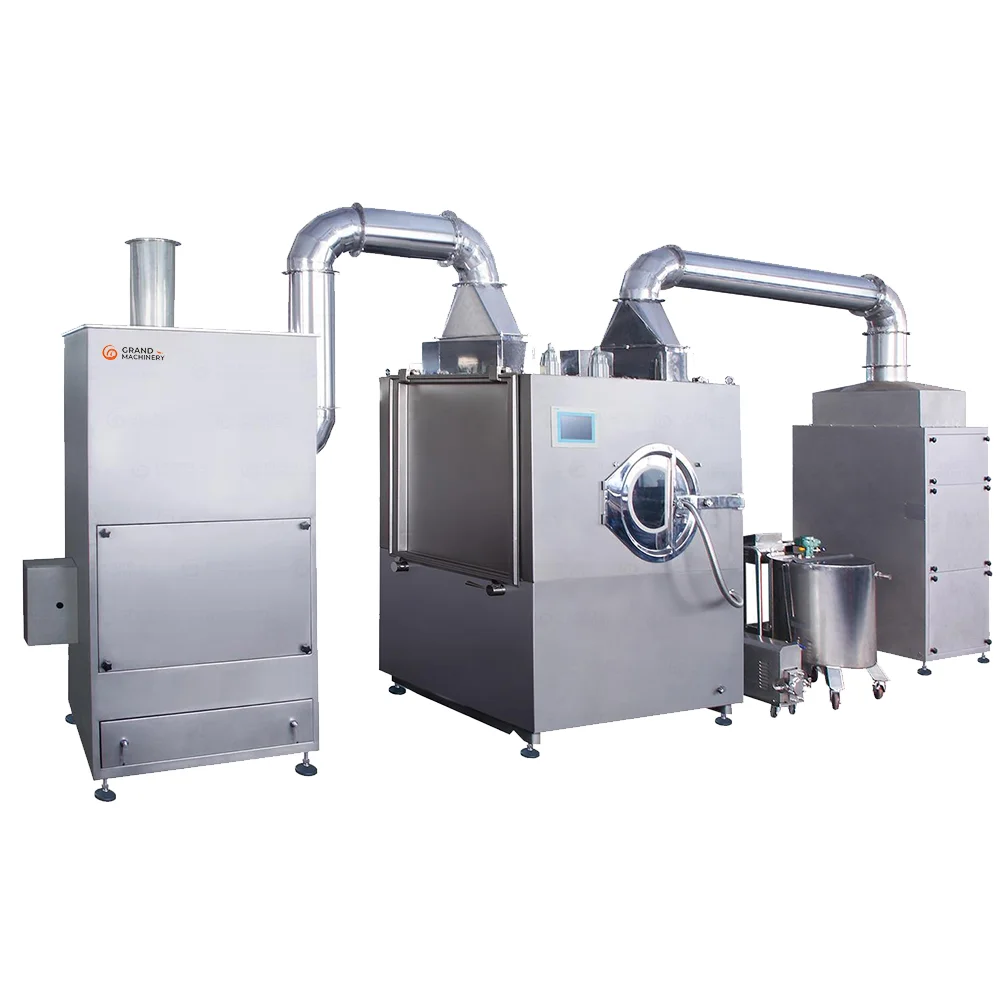
After drying, gummies are polished, and most receive a light oil or carnauba wax coat to prevent sticking and add gloss. Sugar-sanded or acid-coated variants are finished here as well. A dedicated coating machine handles this uniformly at production scale, and pectin recipes almost always need this step because pectin stays tackier than gelatin at the same moisture level.
Step 8: Quality Control and Potency Testing
In-process checks — deposit weight, Brix, pH, moisture — catch drift before it produces out-of-spec product. Finished samples undergo potency testing (typically HPLC), microbial screening, and appearance grading. Batch retained samples support the certificate of analysis that buyers and regulators expect from a compliant supplement operation.
Step 9: Counting and Packaging
Finished gummies are fed to a counting and bottling line that counts exact doses into bottles, inserts desiccant, caps, seals, and labels in one continuous flow. Pouch formats run on similar counting and filling principles. Barrier packaging and nitrogen flushing extend the 18–24 month shelf life that moisture-sensitive vitamins require.
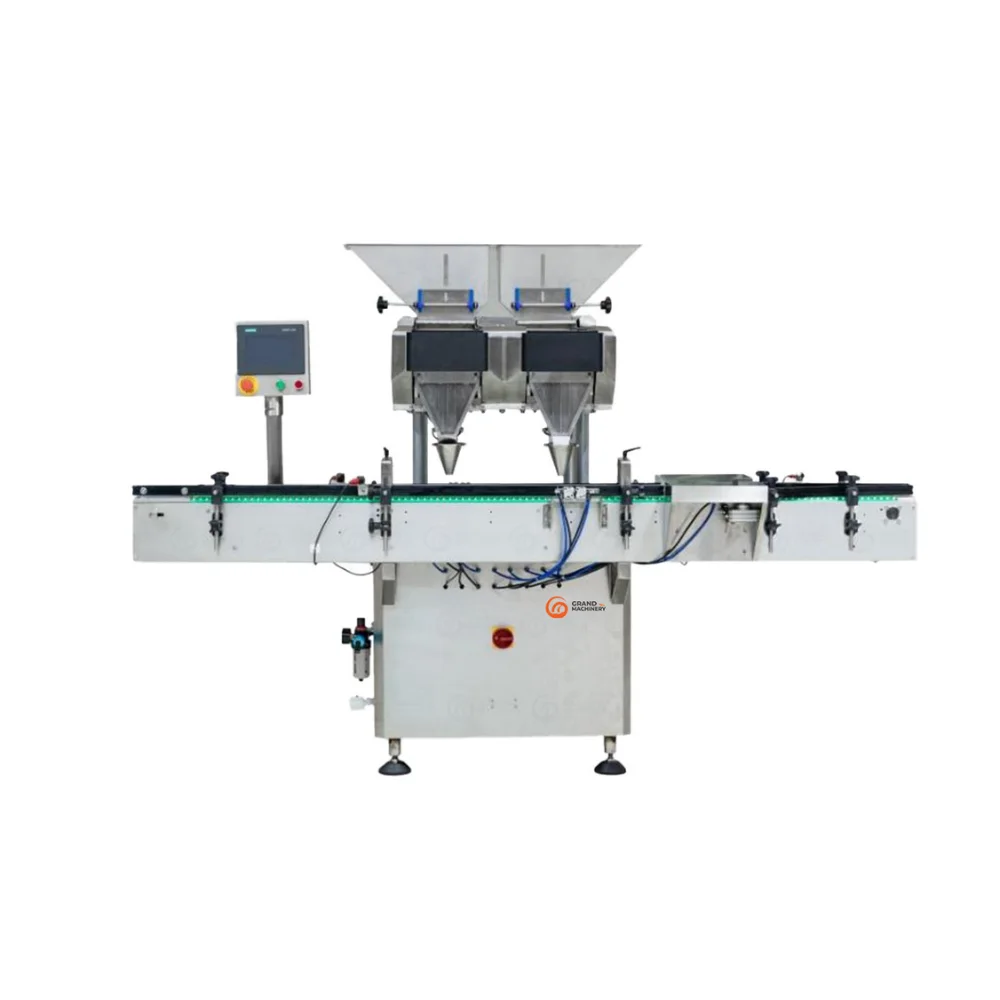
For format selection — bottles versus pouches versus blister — see gummy packaging guide.
From Process to Equipment: The Machines Behind Each Step
Most process guides mention equipment only in passing. The table below maps each stage to the machine that performs it, so you can translate a process requirement into an equipment list:
| Process Stage | Machine | What It Controls |
|---|---|---|
| Formulation premix | Ribbon blender / weighing station | Active distribution, batch traceability |
| Syrup cooking | Gummy cooker, gelatin melt tank | Brix, moisture, gel hydration |
| Holding and dosing | Agitating holding tank, dosage tank | Slurry temperature stability, feed consistency |
| Depositing | Gummy depositing machine | Fill weight accuracy (±2%), shape, co-depositing |
| Setting | Cooling tunnel / hot air cabinet | Set temperature, humidity, cycle time |
| Drying | Tumble dryer / drying room | Final moisture 12–18%, texture, anti-sticking |
| Finishing | Coating machine | Oil/wax layer, gloss, anti-tack |
| Counting and packing | Counting and bottling line | Dose count, desiccant, capping, sealing |
Two notes worth reading from the table: first, the tanks between cooker and depositor are not optional — slurry that sits at the wrong temperature thickens or prematurely gels and ruins dosing accuracy. Second, drying capacity is usually the real bottleneck of a line; depositing speed means little if the dryer cannot condition the daily output.
Planning a Vitamin Gummy Production Line: Capacity, Layout and Next Steps
A vitamin gummy production line is an integrated chain, and it is usually planned backwards from drying capacity and packaging output. A compact R&D or pilot line pairs a small cooker with a single-head depositor and batch drying; a commercial line adds automatic mold handling, multi-lane depositing, continuous tumble drying, and in-line coating so the whole chain runs unattended.
Layout matters as much as machine selection. Cooking and depositing belong in a temperature-controlled zone with short transfer distances; drying needs the largest floor area and the best airflow; packaging should be separable to meet hygiene zoning. Utilities — steam or electric heating, chilled water, vacuum, and compressed air — need to be specified per machine, not assumed.
If you are evaluating the investment side in more depth, our breakdown of how to start a candy business covers equipment, layout, and cost structure. When you are ready to size an actual line, the gummy depositing line product page lists configurations from pilot to commercial scale, and our team can quote a complete chain from cooker to counting line.
Key Process Parameters at a Glance
| Parameter | Typical Range | Why It Matters |
|---|---|---|
| Syrup cooking temperature | 107–115 °C | Sets Brix and final moisture |
| Brix after cooking | 75–82% | Higher Brix gives firmer texture |
| Active blending temperature | ≤ 85 °C for sensitive actives | Protects vitamin potency |
| Dosing accuracy | ±2% of target weight | Label-claim compliance |
| Cooling / setting | 18–22 °C, 40–55% RH | Proper gel set, surface stability |
| Drying time | 12–48 h (pectin longer) | Texture, anti-sticking, shelf life |
| Final moisture | 12–18% | Microbial safety and texture |
| Single gummy weight | 2–6 g | Dose per serving design |
Conclusion
So, how are vitamin gummies made? By a nine-stage chain where heat, moisture, and dose are controlled at every step — and each control point is a specific machine. Understanding that process-to-equipment mapping is the fastest way to judge whether a line is properly specified, under-capacity, or over-engineered.
Planning a vitamin gummy production line, or upgrading an existing one? Contact us for a line configuration and quotation based on your capacity target and gelling system.
FAQ
How are vitamin gummies made in a factory?
The factory process runs in nine stages: formulation and weighing, syrup cooking at 107–115 °C, cooling-controlled blending of vitamins and flavors, precision depositing into molds, cooling and setting, 12–48 hours of drying, oil or wax finishing, potency and micro testing, then automated counting and packaging. Each stage has dedicated equipment with logged temperature and weight controls.
How long does it take to make a batch of vitamin gummies?
A single production batch takes roughly 24 to 72 hours from raw material release to packed product, with drying accounting for most of the elapsed time. Full development timelines are longer: a new formula with stability testing and regulatory review can take several months before commercial runs begin.
Can vitamin gummies be made without gelatin?
Yes. Pectin is the standard plant-based alternative and suits vegan, vegetarian, halal, and kosher positioning. Pectin lines need tighter pH control, different depositing temperatures, and longer drying than gelatin lines — which is why dedicated pectin gummy depositing equipment exists rather than one machine for both.
What machines are used to make vitamin gummies?
The core chain is a gummy cooker, gelatin melt and dosage tanks, a depositing machine with molds, a cooling tunnel or cabinet, a tumble dryer or drying room, a coating machine for oil or wax finishing, and a counting and bottling line for filling and capping. Small pilot setups can run with fewer units; commercial scale needs the full integrated line.
How is dosage accuracy maintained in each gummy?
Two mechanisms work together: homogeneous premixing of actives into the slurry before depositing, and servo-driven depositing that meters fill volume within roughly ±2%. Post-process weight checks and HPLC potency testing verify that finished gummies meet the label claim.