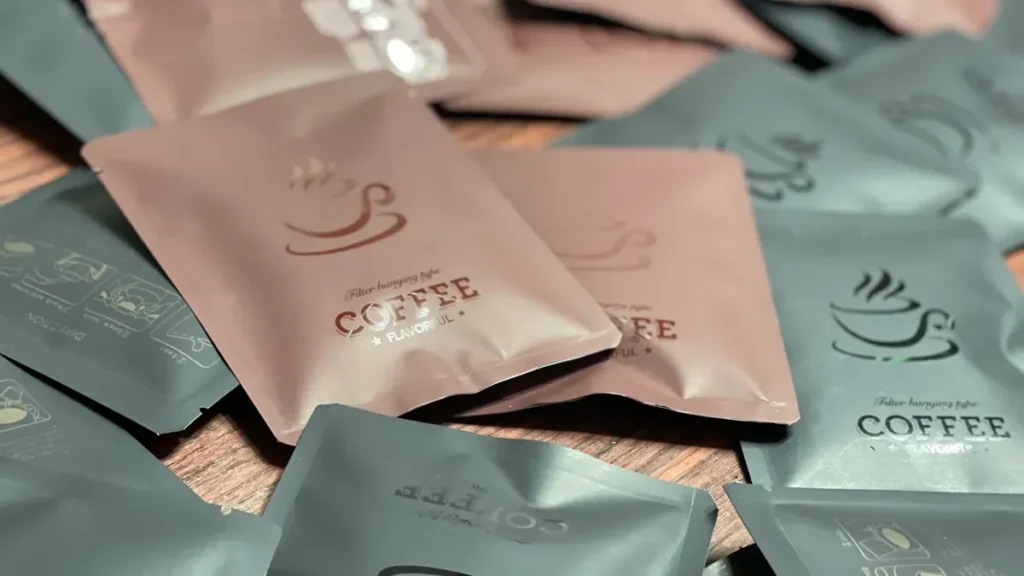

Choosing the right packaging for supplements protects both product quality and consumer safety. Packaging For Supplements must shield contents from moisture, light, and oxygen, which can cause degradation. Omega-3 supplements, for example, need packaging that blocks heat and light to keep fatty acids stable. Superior packaging ensures supplements stay potent and safe until use. Manufacturers must also consider supplement type, packaging material, safety features, compliance, branding, sustainability, and cost.
Key Takeaways
- Understand your supplement type. Different forms like capsules, powders, and liquids require specific packaging to maintain quality and safety.
- Choose materials wisely. Use glass or high-barrier plastics to protect supplements from moisture, light, and oxygen, ensuring product potency.
- Prioritize user convenience. Select packaging that is easy to open, resealable, and portable to enhance the consumer experience.
- Incorporate safety features. Use tamper-evident seals and child-resistant closures to build trust and comply with regulations.
- Consider sustainability. Opt for eco-friendly packaging options to appeal to environmentally conscious consumers and reduce waste.
Assess Your Supplement Type Before Choosing Packaging
Choosing the right packaging starts with understanding the physical and chemical nature of your supplement. Each supplement form—capsules, powders, liquids, or gummies—has unique needs for safety, stability, and user convenience. The target market and portability also influence packaging selection.
Capsules, Tablets, and Softgels
Capsules, tablets, and softgels are among the most common type of supplement packaging. They require protection from moisture, light, and air to maintain potency. The table below outlines recommended packaging solutions:
| Product Type | Recommended Packaging Solutions | Key Features |
|---|---|---|
| Capsules | Blister packs with PVDC or Alu-Alu liners, bottles with desiccants | Stabilizes moisture-sensitive formulations |
| Tablets | Blister packs, bottles | Versatile and protective |
| Softgels | Amber glass bottles with desiccants, high-barrier blister packs | Prevents moisture loss and maintains potency |
Blister packs offer unit-dose protection and tamper evidence, while bottles are familiar and retail-ready. For softgels, amber glass bottles provide superior light protection.
Powders and Granules
Powders and granules need packaging that prevents clumping and ensures accurate dosing. Zipper pouches and stick packs are popular supplement packaging options for these products. The table below highlights key challenges:
| Challenge | Description |
|---|---|
| Precise dosing | Accurate dosing is critical for quality and compliance. |
| Product waste | Manual filling can lead to 5-8% product waste. |
| Automation needs | Automation helps maintain consistency and reduce labor shortages. |
Stick packs and pouches offer convenience for on-the-go consumers and help reduce product waste.
Liquids and Oils
Liquid and oil-based supplements are sensitive to oxidation and leakage. Glass bottles, especially dark or amber glass, are preferred for their high barrier properties against oxygen and light. Leak-proof seals, such as induction seals or foam liners, prevent spills during transport. Multi-layer plastic containers also provide strong protection for liquid supplements.
Tip: Always choose packaging that protects against oxygen, light, and moisture to preserve the freshness of liquid supplements.
Gummies and Chewables
Gummies and chewables absorb moisture easily, which can cause clumping and texture changes. Desiccant packs inside bottles help control humidity and maintain product quality. Advanced coating technologies in chewables further enhance stability and shelf life. Limiting water content in gummies also prevents microbial growth.
When evaluating packaging selection, consider the supplement’s form, how consumers will use it, and the need for portability. This approach ensures both product integrity and customer satisfaction.
Supplement Packaging Options and Materials
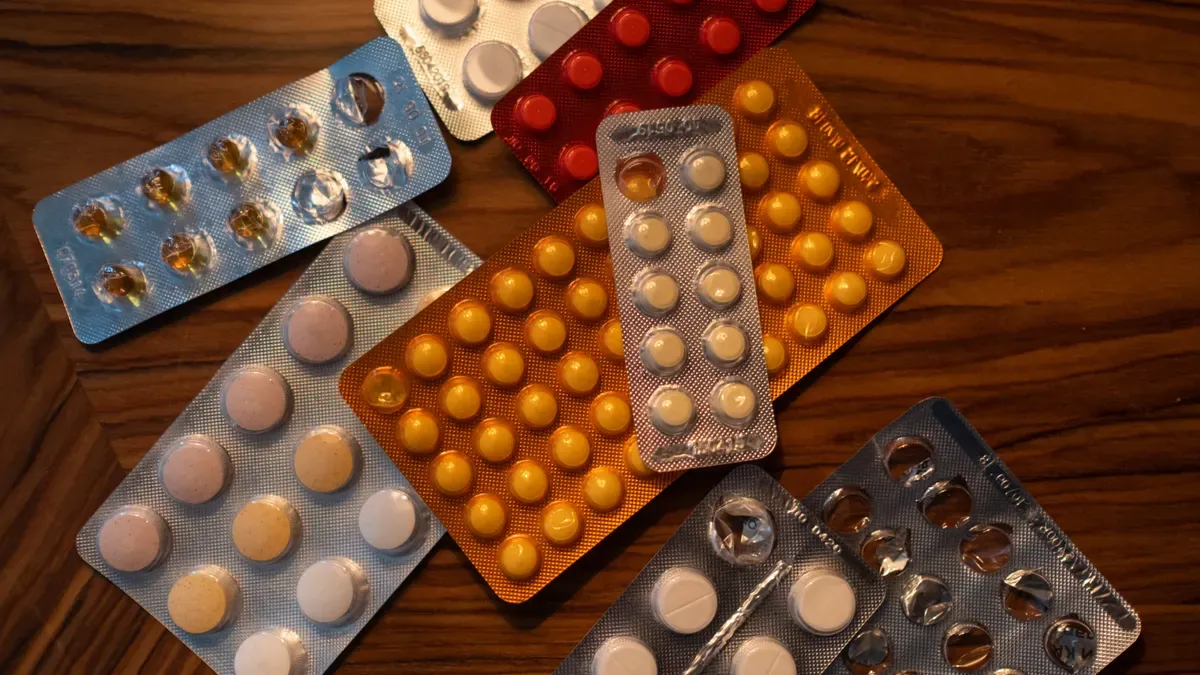
Choosing the right packaging for supplements depends on understanding the available packaging solutions and materials. Each option offers unique benefits for product preservation, safety, compliance, and user convenience. Below, you will find an overview of the most common supplement packaging types and their features.
Bottles and Jars
Bottles and jars dominate the dietary supplement packaging market. In 2026, bottles are projected to hold a 50% share of the market. These supplement containers are popular for capsules, tablets, softgels, powders, and liquids. Plastic bottles, such as HDPE and PET, provide good moisture barriers and are lightweight. Glass bottles offer superior barrier protection against moisture and oxygen, making them ideal for premium nutritional supplement packaging.
Pros:
- Familiar and easy to use
- Suitable for bulk and single-serve products
- Available in various sizes and shapes
- Can include child-resistant caps and tamper-evident seals
Cons:
- Bulk dispensing may lead to contamination
- Less effective for maintaining product stability compared to unit-dose options
Note: Amber glass bottles protect supplements from harmful light, supporting extended shelf life and product preservation.
Blister Packs
Blister packs are a popular supplement packaging solution for capsules and tablets. They provide individual dose protection and help maintain hygiene. Blister packs also enhance safety and compliance.
| Feature | Blister Packs | Other Packaging Types (e.g., Bottles) |
|---|---|---|
| Child-Resistance | More child-resistant due to design | Less child-resistant |
| Dosage History Visualization | Calendarized packs provide a snapshot | No visual tracking |
| Dispensing Errors | Reduces margin for errors | Higher risk of errors |
| Hygiene | Individual unit doses improve hygiene | Bulk dispensing can lead to contamination |
Blister packs are ideal for maintaining product stability and reducing dispensing errors. They also help consumers track their dosage history, which is important for compliance.
Pouches, Sachets, and Stick Packs
Pouches, sachets, and stick packs are gaining popularity in supplement packaging, especially for powders, granules, and single-serve products. These packaging solutions offer convenience and portion control.
| Benefit | Description |
|---|---|
| Convenience | Ideal for on-the-go consumption, catering to busy lifestyles. |
| Portion Control | Helps regulate usage and reduces waste, appealing to health-conscious consumers. |
| Cost-Effectiveness | More affordable than larger packaging, benefiting production and transportation costs. |
| Preservation | Keeps products fresh and extends shelf life by protecting from moisture, light, and air. |
| Eco-Friendly Options | Available in recyclable and PCR materials, meeting consumer demand for sustainable packaging. |
Pouches and stick packs are perfect for busy lifestyles. They allow quick and easy consumption of supplements. Brands use these formats to offer sample sizes, which help customers try products before purchasing. Stand-up pouches provide excellent barrier protection with multiple layers, supporting effective supplement packaging.
Specialty and Custom Packaging
Specialty and custom packaging solutions address unique needs in the supplement industry. These options include dual fluid-filled pouches, sample sachets, and custom boxes. They are used for vitamins, beauty products, personal care, and industrial applications.
| Packaging Type | Description |
|---|---|
| Dual and Trio Fluid-Filled Pouches | Accommodate liquids of various viscosities, tailored to specific needs. |
| Dual Towel-Filled Pouches | Specialized sachet packaging for towelettes and personal care items. |
| Sponge-Filled Pouches | Custom pouches designed for sponges and cleaning materials. |
| Sample Sachet Packaging | Ideal for marketing vitamins and beauty products, often used in subscription boxes. |
| Health and Beauty | Commonly used for cosmetics, skincare, and hair care products. |
| Personal Care and Nutraceuticals | Suitable for baby products and pre-portioned dietary supplements. |
| Household Products | Used for disinfecting wipes and cleaning products. |
| Industrial Applications | Versatile for lubricants and tool wipes in single-use packaging. |
Custom supplement packaging can include unique shapes, branded boxes, and lift-top designs. These packaging solutions help brands stand out and meet specific product requirements.
Material Choices and Protection
Selecting the right packaging material is essential for supplement packaging. Materials such as plastic, glass, foil, and laminated films offer different levels of barrier protection.
- HDPE bottles provide excellent moisture barriers but limited oxygen protection.
- PET bottles are clear and showcase products, offering good barrier properties.
- Glass bottles deliver superior protection against moisture and oxygen, ideal for premium dietary supplement packaging.
- UV-resistant bottles shield supplements from harmful light rays.
- Stand-up pouches use multiple layers to protect against moisture, light, and air.
- Blister packs ensure individual dose protection and extended shelf life for moisture-sensitive products.
- Airless pumps limit air exposure, preventing oxidation.
Tip: Always match the packaging material to the supplement’s sensitivity to moisture, light, and oxygen. This approach supports effective supplement packaging and product preservation.
Choosing the right packaging for supplements involves balancing protection, compliance, user convenience, and branding. Supplement packaging must meet regulatory standards and consumer expectations. Sustainable supplement packaging options, such as recyclable pouches and PCR materials, are becoming more important for brands and customers.
Key Features for the Right Packaging for Supplements
Choosing the best packaging for supplements involves several important considerations. Safety, compliance, shelf life, and user experience all play a role in protecting both the product and the consumer. Each feature supports the overall functionality of supplement packaging and helps brands achieve brand differentiation in a competitive market.
Safety and Tamper-Evidence
Safety is a top priority for dietary supplement packaging. Tamper-evident features protect consumers and build trust. Packaging technologies must meet strict requirements to show visible evidence if tampering occurs. The table below outlines common tamper-evident packaging and their requirements:
| Packaging Technology | Requirements |
|---|---|
| Film Wrappers | Must provide visible evidence of tampering; cannot be resealed without evidence. |
| Blister or Strip Packs | Individual compartments must show evidence of tampering if opened. |
| Bubble Packs | Must be torn to access the product; cannot be resealed without evidence. |
| Heat Shrink Bands or Wrappers | Must show visible damage if removed; should not be easily reattached. |
| Foil, Paper, or Plastic Pouches | Must be torn to access the product; resealing must show evidence of tampering. |
| Container Mouth Inner Seals | Must show evidence of tampering if removed; should not be easily reapplied. |
| Tape Seals | Must have features that indicate tampering; cannot be easily reapplied without evidence. |
Common tamper-evident features include shrink bands, breakaway caps, foil seals, blister packs, and perforated seals. These considerations ensure supplement containers remain secure from production to consumer use.
Compliance and Labeling
Regulatory compliance is essential for supplement packaging. Labels must meet FDA and other regulatory standards to ensure consumer safety and product transparency. The table below highlights key labeling requirements:
| Requirement Type | Description |
|---|---|
| Title and Hairlines | The title ‘Supplement Facts’ must be bold and larger than other text, enclosed in a box with hairlines. |
| Font and Style | Use a single, easy-to-read type style, with black text on a white or neutral background. |
| Type Size | General text must be no smaller than 8 points; headings can be 6 points. |
| Spacing and Legibility | Ensure at least one point leading and that letters do not touch. |
| Aggregate Labels | For products with multiple packets, information can be listed in separate columns or an aggregate format. |
These considerations help brands avoid legal issues and support brand differentiation through clear, professional presentation.
Shelf Life and Product Integrity
Packaging plays a critical role in maintaining the shelf life and integrity of nutritional supplement packaging. Proper packaging shields supplements from moisture, oxygen, light, and heat. These environmental factors can degrade quality over time. By providing strong barriers, supplement packaging extends shelf life and preserves product potency. This functionality is vital for both consumer safety and product effectiveness.
User Experience and Portability
User experience and portability are important considerations for active consumers. Packaging should offer easy access, secure storage, and convenience. Features that improve functionality include:
- High-barrier materials to protect against temperature, oxygen, and moisture
- Resealable and child-proof zippers for safety and convenience
- Single-serve easy tear packs for quick access
- Spill-proof functionality to prevent product loss
- Resealable closures to maintain freshness and potency
- Easy tear notches for effortless access
These considerations make supplement packaging more practical for daily use and travel. They also support brand differentiation by meeting the needs of modern consumers.
Branding, Sustainability, and Cost
Branding and Shelf Appeal
Packaging for dietary supplements plays a key role in brand recognition and consumer trust. Effective packaging design creates a strong first impression and signals product quality. Clear labeling and attractive graphics help brands stand out on shelves. Consumers often judge supplements by their packaging before reading the label. Sustainable packaging also builds trust, especially in premium markets, by showing that a brand cares about quality and the environment.
- Packaging design influences first impressions and product quality.
- Clear labeling and appealing visuals establish credibility.
- Sustainable packaging aligns with consumer values and reinforces trust.
Sustainable Packaging for Dietary Supplements
Eco-conscious packaging is becoming more important in the supplement industry. Many brands now use materials that support recyclability and reduce environmental impact. Biodegradable options are popular because they break down naturally and limit waste. Some companies use edible packaging made from plant-based substances. Traditional materials, such as glass and plastic, are often combined with sustainable choices to improve functionality.
| Material Type | Description |
|---|---|
| Biodegradable options | Includes materials like Polyhydroxyalkanoates (PHAs), Polylactic acid (PLA), and others. |
| Edible packaging | Comprises materials such as chitin, chitosan, and various plant-based substances. |
| Traditional materials | Often used in conjunction with sustainable options to enhance functionality and appeal. |
Consumers look for packaging that supports their values. Sustainable supplement packaging helps brands connect with eco-conscious buyers.
Cost and Supplier Choices
Cost is a major factor when selecting packaging for dietary supplements. Brands must balance quality, compliance, and price. Suppliers should understand regulatory standards and provide certifications for material safety. Experience in dietary supplement packaging is important for meeting sector needs. The quality of materials affects product protection and shelf life. Containers must meet industry standards to avoid legal issues and protect supplements from moisture, light, and air.
- Regulatory compliance and safety certifications are essential.
- Supplier experience and specialization support product quality.
- Material quality ensures active ingredients remain stable.
- Containers must protect supplements and meet legal requirements.
Custom vs. Stock Packaging
Brands can choose between custom and stock packaging. Stock packaging usually has lower minimum order quantities and standard lead times. Custom packaging requires higher minimums and longer lead times because of molds and unique designs. Startups often prefer stock packaging to test products with less financial risk. Custom supplement packaging allows for unique branding and shapes but takes more time to produce.
| Packaging Type | Minimum Order Quantity (MOQ) | Lead Time |
|---|---|---|
| Stock Plastic Bottles | 1,000 – 10,000 units | Standard lead time |
| Custom Plastic/Glass | 3,000 – 50,000+ units | Longer lead time |
| Plastic Jars | 500 – 5,000 units | Standard lead time |
| Glass Jars | 3,000 – 30,000 units | Longer lead time |
| Boxes (Mailer/Folding) | 100 – 1,000+ units | Standard lead time |
| Labels & Stickers | 500 – 10,000 units | Standard lead time |
| Custom Supplement | As low as 5,000 pieces | 4-5 weeks |
Stock packaging offers flexibility and quick turnaround. Custom packaging supports brand differentiation and unique shelf appeal.
Choosing the best supplement packaging involves several key steps:
- Evaluate product protection and select materials like glass or plastic for vitamin packaging.
- Consider size, shape, and regulatory compliance for dietary supplement packaging.
- Design custom labels and durable shipping boxes for nutritional supplement packaging.
| Common Mistake | Impact |
|---|---|
| Wrong barrier materials | Shortens shelf life |
| Ignoring consumer convenience | Reduces repeat purchases |
Requesting packaging samples helps test compatibility and ensures sustainable supplement packaging aligns with your brand. Consult packaging experts to optimize supplement containers and avoid costly errors.
FAQ
What are the main packaging options for supplements?
Manufacturers can choose from bottles, jars, blister packs, pouches, sachets, stick packs, and specialty supplement containers. Each option protects supplements and supports product integrity. Options vary in material, size, and barrier properties.
How do I select the best packaging for my supplement?
Manufacturers can choose from bottles, jars, blister packs, pouches, sachets, stick packs, and specialty supplement containers. Each option protects supplements and supports product integrity. Options vary in material, size, and barrier properties.
Are there sustainable packaging options for dietary supplements?
Yes. Brands can select biodegradable, recyclable, or plant-based options. Sustainable supplement packaging options include PCR plastics, compostable pouches, and glass containers. These options reduce environmental impact and appeal to eco-conscious buyers.
What features should packaging include for safety?
Packaging should have tamper-evident seals, child-resistant closures, and clear labeling. Options like blister packs and induction seals protect supplements from contamination. Safety features help brands build consumer trust and meet regulatory standards.
Can I customize packaging options for my brand?
Custom supplement packaging options allow brands to create unique shapes, colors, and graphics. Custom boxes, specialty pouches, and branded labels help products stand out. Options support brand differentiation and shelf appeal.
Tip: Request samples of packaging options before finalizing your choice. Samples help test compatibility and ensure supplement containers meet product needs.
| Packaging Options | Benefits |
|---|---|
| Bottles | Familiar, easy to use |
| Blister Packs | Unit-dose, tamper-evident |
| Pouches | Portable, eco-friendly |
| Custom | Unique branding |