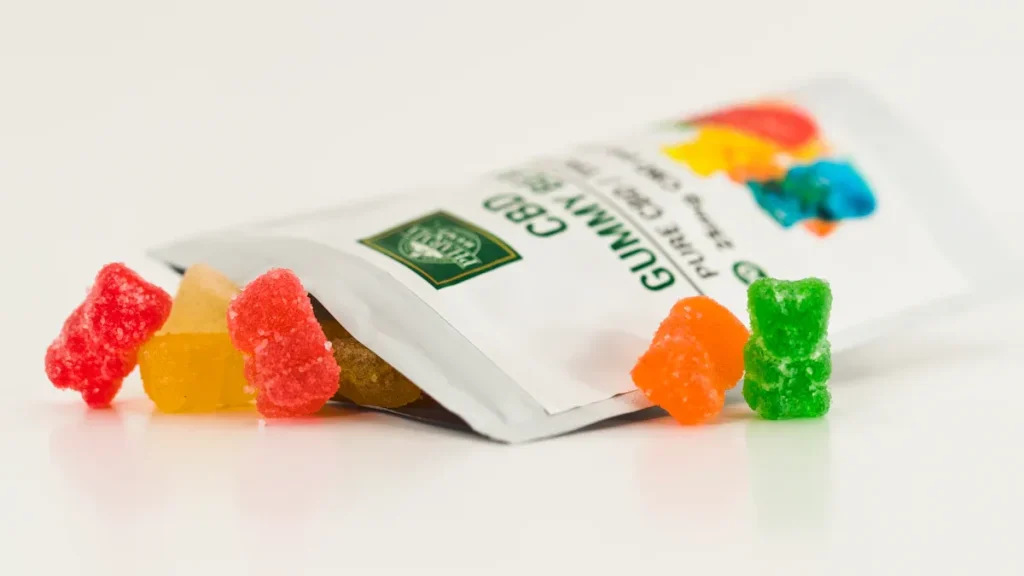
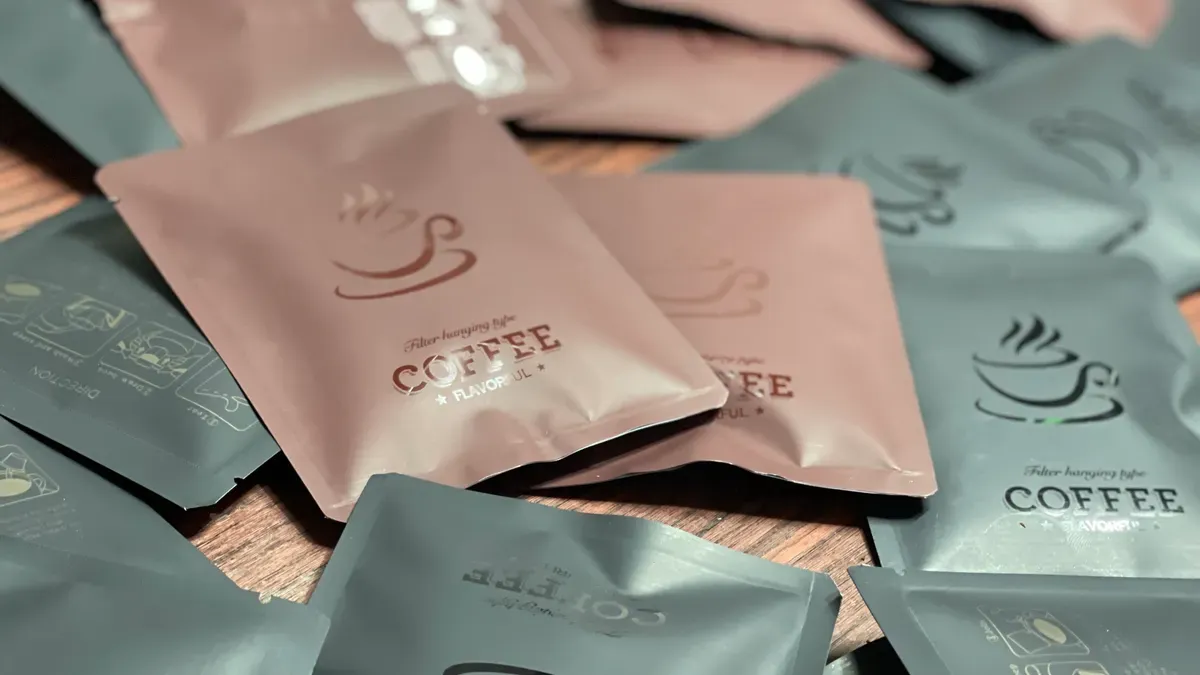
Sachet packaging is a small, sealed, flexible packet that holds a single serving (up to 100g or 50ml) of liquid, powder, gel, or granules. These single-use sachets are lightweight and low-cost per unit, making them popular in food, retail, travel, and emerging markets. They offer unmatched convenience and portion control. Yet despite their convenience, sachets pose significant recycling challenges because their multi-layer structure is difficult to process. In 2024, the global sachet packaging market reached USD 15.6 billion, underscoring their importance. This guide covers sachet types, materials, pros and cons, key applications, and how to choose the right small-format packaging for your product.
Key Takeaways
- Sachets are small, sealed packets that hold one serving of powder, liquid, or gel.
- They come in different types like stick packs and four-side seal sachets for various products.
- Multi-layer films protect products from moisture, oxygen, and light, but make recycling hard.
- Sachets offer low cost, portion control, and convenience for food, medicine, and cosmetics.
- Choose sachet packaging based on your product, barrier needs, and sustainability goals.
What Is Sachet Packaging?
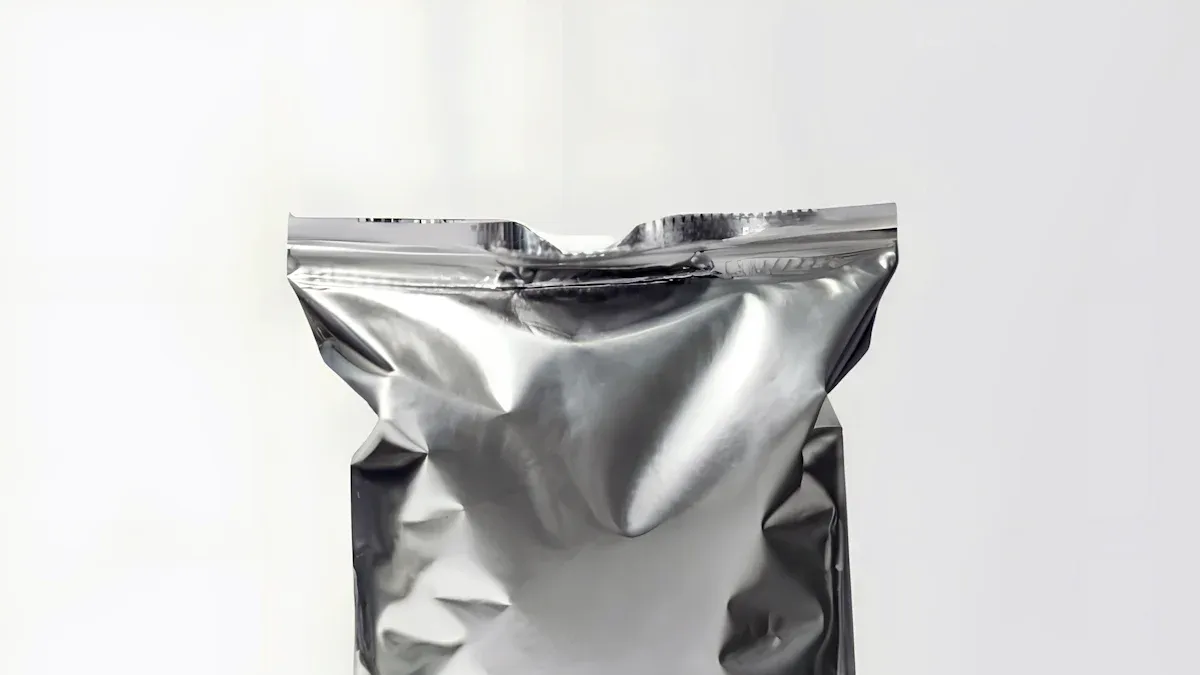
Sachet packaging is a small, sealed, flexible packet that holds one portion of a product for a single use. The format covers a wide range of doses. A sachet typically contains 0.5 mL to 50 mL of liquid or 0.5 g to 100 g of a solid product. That range explains why the sachet meaning shifts with context: a powder sachet for a drink mix, a sachet medicine dose for a child, and a sample of shampoo all share the same basic construction.
What Counts as a Sachet?
The structure defines the format. Manufacturers build a sachet from single-layer or multi-layer film, then seal it on all sides. A tear notch or perforation lets the user open the pack without scissors. The film does the heavy lifting. Layers of PET, foil, or metallized material block moisture, oxygen, and light, while an inner PE layer provides the heat seal.
Size and fill volume separate a true sachet from a larger pouch. The table below shows the common structures and their typical fill ranges.
| Format | Typical Fill Range | Seal Type | Best-Fit Application |
|---|---|---|---|
| Three-side seal sachet | 1–30 mL / 1–30 g | Two sides + top, bottom folded | Liquids, gels, creams, sauces |
| Four-side seal sachet | 2–100 mL / 2–100 g | All four edges | Masks, wipes, larger doses, duplex artwork |
| Stick pack | 0.5–15 g / 1–20 mL | Center back seal + two ends | Powders, granules, viscous gels |
A sachet-in-sachet takes the concept further. This nested design holds two components that must stay separate until use, such as a powder and a liquid activator. The user opens the outer pack, combines the contents, and applies the product fresh.
Sachet vs. Stick Pack vs. Pouch
These three formats overlap, and buyers often confuse them. Shape, fill method, and end use tell them apart.
| Dimension | Sachet | Stick Pack | Stand-Up Pouch |
|---|---|---|---|
| Shape | Small, flat, single-serve pack; 3-side, 4-side, or back-seal style | Narrow, long shape; usually a type of sachet | Broader format; flat, stand-up, zipper, spout, or gusseted |
| Fill / Seal Method | Formed, filled, sealed, and cut from rollstock; 3-side, 4-side, or back-seal | Made on sachet packaging machines from rollstock; demands uniform sealing across lanes | Premade pouches are picked, opened, filled, and sealed; or form-fill-seal from rollstock |
| Typical Applications | Single-serve powders, samples, condiments; tear-and-pour use | Single-serve powders; controlled pour; on-the-go dosing | Multi-serve; shelf presence; reclose or spout needs |
A stick pack is a specific narrow, long shape, and it usually counts as a type of sachet. Its geometry sets it apart.
Stick packs are a narrow center-seal (fin or lap seal) tube, sealed top and bottom, with a length-to-width ratio typically between 5:1 and 12:1.
That ratio produces the familiar slim profile. A stand-up pouch is a different category. It holds multi-serve quantities, stands on a shelf, and often adds a zipper or spout for reclosing. Product format also guides the choice. Powders pour cleanly from flat sachets and stick packs. Liquids and gels demand careful sachet filling to keep the seal area clean. Granules can bounce into the seal zone and cause hidden defects, so gentle handling matters. Note that spelling variants such as satchet or sachat appear in search queries, but the standard term remains sachet.
Types of Sachets and Small-Format Packaging
Types by Structure and Seal
The seal pattern defines how a sachet performs. Three-side seal sachets use less film and offer slightly more expandable volume because one edge can give way. Four-side seal sachets are pre-sealed on all edges, which provides better leak protection and a rigid, flat shape. That rigidity helps when package uniformity matters for cartoning.
| Feature | 3-Side Seal Bag | 4-Side Seal Bag |
|---|---|---|
| Film Savings | High (15-20% less waste) | Standard |
| Symmetry | Asymmetrical (fold edge) | Fully symmetrical |
| Seal Strength | Excellent for solids | Superior for liquids/vacuum |
| Internal Volume | Slightly higher | Slightly lower (edge loss) |
Other structures serve specific needs. Pillow sachets are the most widely used format for sauces, condiments, and honey. Stick packs handle single-serve powders like instant coffee and protein powder. Spouted sachets allow controlled pouring for energy gels and liquid supplements. Shaped die-cut sachets support premium branding and promotional sampling. Gusseted sachets add expandable sides for bulkier powders, while stand-up sachets bring shelf presence to food and cosmetics products. Tear notch sachets simplify opening without scissors.
Common sachet formats include 3-side sealed sachets, 4-side sealed sachets (flat or pillow-style), and sometimes back-seal or center-seal variants. The choice depends on product type, desired appearance, sealing integrity, and industry requirements.
Types by Product Format
Product format drives the selection of sachet packaging. Liquids and gels work best in spouted sachets, four-side seal sachets, or three-side seal sachets. A spouted design prevents splashing during sachet filling. Four-side seal construction offers leak protection for thin liquids. Three-side seal sachets suit single-use doses.
| Product Format | Suitable Sachet Types | Key Notes |
|---|---|---|
| Liquids & Gels | Spouted, Four-side seal, Three-side seal | Spouted prevents splashing; four-side seal offers leak protection. |
| Powders | Stick packs, Four-side seal, Three-side seal | Stick packs keep dust out; four-side seal prevents contamination. |
| Free-flowing granules | Gusseted sachets | Expandable sides accommodate bulkier products. |
A powder sachet for drink mixes or a sachet medicine dose for children both rely on the same barrier principles. Small-format packaging covers sachets, stick packs, and single-serve pouches. Buyers seeking custom sachets should match the structure to the fill material before considering artwork or branding.
Sachet Packaging Materials: Choosing the Right Film Structure
Common Material Layers
A sachet film is never a single material. Manufacturers combine layers to gain specific properties. Each layer performs a distinct job. The outer layer provides printability, scuff resistance, and puncture protection. The barrier layer blocks oxygen, moisture, or light. Tie layers bond incompatible materials together. The sealant layer delivers heat seal performance and safe product contact.
Polyethylene (PE) serves as the inner sealing layer in most sachet packaging. It offers an excellent moisture barrier. However, PE has a poor oxygen barrier, so it is often paired with PET or metallized layers. Polyethylene terephthalate (PET) forms the outer layer for strength and printing. It provides a good oxygen barrier. Aluminum foil delivers an absolute barrier against oxygen, light, and moisture.
| Property | PE | PET | Aluminum Foil |
|---|---|---|---|
| Moisture Barrier | Excellent | Excellent | Absolute (100%) |
| Oxygen Barrier | Poor | Very Good | Absolute (100%) |
| Light Barrier | Not specified | Not specified | Complete |
| Cost Level | Low to moderate | Moderate to high | High |
A typical high-barrier structure might read PET/EVOH/PE. EVOH provides an excellent oxygen barrier, but it must sit between moisture-resistant layers to prevent humidity degradation. Metallized PET and foil laminates offer additional high-barrier options.
Matching Barriers to Products
Product sensitivity dictates the film structure. A powder sachet for drink mixes needs a strong moisture barrier to prevent clumping. Coffee and nuts require a low oxygen transmission rate to avoid oxidation and rancidity. A sachet medicine dose for children may need protection from light and moisture. For food applications, aroma preservation matters as much as physical protection.
Multi-layer construction enables this barrier performance, but it complicates recycling. The layers cannot be easily separated. Compostable film options now exist for VFFS systems, giving brands a path toward more sustainable custom sachets.
Pros and Cons of Sachet Packaging
Key Advantages
The advantages of sachet packaging start with cost. A single sachet uses very little film, so the cost per unit stays low. Brands can offer trial sizes and sample packs without cutting into margins. Retailers gain a shelf-ready format that hangs, stands, or sits in counter displays.
Portion control ranks as another core benefit. Each packet delivers an exact dose. A powder sachet for a drink mix, a sachet medicine dose for a child, and a single serving of instant coffee all remove guesswork. This precision reduces waste and supports consistent product experiences.
Convenience drives adoption across travel, hospitality, and e-commerce. A single-use packet fits in a pocket, a purse, or a carry-on bag. It requires no measuring tools and no refrigeration before opening. Extended shelf life adds further value. Multi-layer films block moisture, oxygen, and light, which keeps sensitive ingredients stable for months. Food brands rely on this protection for sauces, condiments, and dry mixes.
Key Limitations
Recycling remains the hardest problem. Sachet packaging is a physical infrastructure challenge, not just a materials one. Most sachets measure under two to three inches, so they slip through sorting screens, jam equipment, or are never captured. Even where flexible film recycling exists, these small items are too small to sort reliably.
Material structure compounds the issue. Conventional multilayer laminates bond dissimilar materials such as PET, PE, and an aluminum barrier layer. Mechanical recycling cannot separate these layers, producing a low-value composite that typically ends up in landfill or incineration. Residual product contamination adds a third barrier. Cleaning small flexible pouches at scale is impractical, which makes sachets economically unattractive for recyclers.
| Challenge | Sachet Packaging | Rigid Packaging Formats |
|---|---|---|
| Size and sorting | Typically under 2–3 inches; falls through sorting screens, jams equipment, or is not captured | Designed around larger rigid containers that sorting equipment is built to handle |
| Material structure | Multilayer laminates bond dissimilar materials that mechanical recycling cannot separate | More readily sortable and separable in mechanical recycling streams |
| Contamination | Retains product residue; cleaning small flexible pouches at scale is impractical | Larger rigid containers are more practical to clean and process |
| End-of-life outcome | Most sachets go to landfill or incineration regardless of packaging claims | More compatible with existing recovery infrastructure |
Volume limits and material cost per gram present other trade-offs. A sachet holds one serving, so multi-serve users need several packets. Per gram of product, the film cost runs higher than for a large rigid container. The sustainability trade-off is clear: sachets are lightweight and efficient in transport, yet hard to recycle at end of life.
What Can Be Packed in Sachets? Applications by Industry
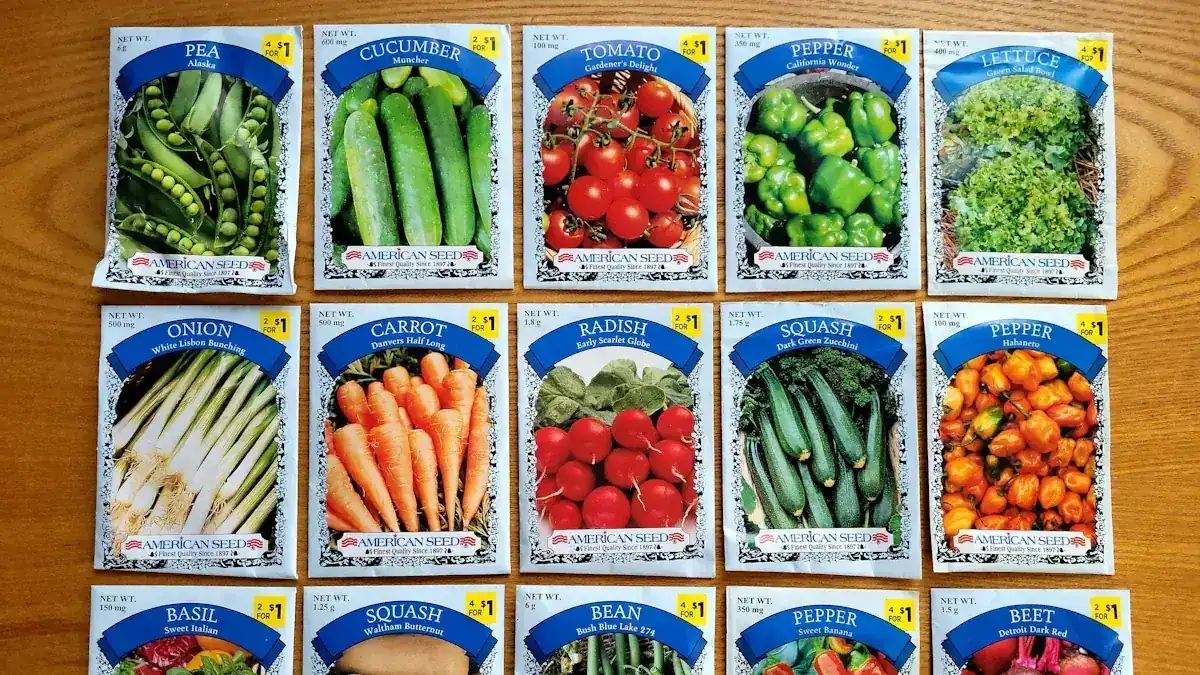
Pharmaceuticals and Nutraceuticals
The pharmaceutical and health products industry relies on sachet packaging for powdered and granulated drugs. Cold relief granules, probiotics, oral supplements, health food products, and collagen powder all ship in sealed packets. These products demand excellent sealing against oxygen and moisture. Multi-layer films deliver that protection, and manufacturers meet GMP requirements for safe product contact.
A sachet medicine dose offers accurate dosing and convenience for travel. Oral rehydration salts, antibiotics, probiotics, and dietary supplements use this format. Governments and NGOs favor sachets for mass distribution because each packet delivers a precise, single-use amount. The pharmaceuticals segment is expected to grow at the highest CAGR during the studied years.
Food and Beverage
The food industry uses sachets for condiments and ingredient items. Ketchup, soy sauce, coffee powder, and creamer all appear in single-serve packets. This format supports accurate measurement, flavor preservation, and economical mass distribution. Foodservice, QSR, delivery, catering, and meal kit channels value uniform servings and speed.
Sauces represent a primary product category. Thin liquids like soy sauce migrate easily and challenge micro-seal integrity. Thick sauces such as BBQ or mayo-based blends pose risks like smearing and uneven squeeze-out. Particulate-containing sauces with herbs, pepper flakes, or minced garlic affect settling and dispensing. Drink mixes and other powdered food products also use sachet packaging.
The cosmetics industry uses sachets for travel kits and samples of shampoo, conditioner, body wash, skincare serums, and creams. Personal care and cosmetics accounted for a significant share of the sachet packaging market in 2025. Portability, protection of sensitive formulations, reduced shipping weight, and low-cost sampling drive this adoption.
| Industry | Market Position |
|---|---|
| Personal care and cosmetics | Significant share in 2025 |
| Pharmaceuticals | Highest anticipated CAGR |
How to Choose a Sachet Packaging Machine
Selecting the right machine starts with a clear definition of your product. Work through seven steps in order: product format, target count or volume, barrier needs, pouch style, seal type, output rate, and sustainability goals. Each decision narrows the field of viable equipment.
Filling systems vary by product. Powders use auger fillers for dust-free precision. Free-flowing granules work best with volumetric cups or multi-head weighers. Liquids and pastes require pneumatic piston pumps. VFFS machine form, fill, and seal pouches from rollstock. HFFS machines run horizontally for flat sachets. Pre-made pouch machine pick, open, fill, and seal ready-made bags. vertical counting machine pair multi-channel counters with a bagger for solid items.
Grand Machinery’s pouch packaging line demonstrates how these configurations come together. The system offers pre-made pouch, vertical counting, and VFFS options for gummies, tablets, capsules, and candies. Upstream counting achieves 99.5%+ accuracy through photoelectric or vision verification. The vertical counting configuration reaches up to 80 bags per minute. Tool-free changeovers and recipe-driven parameters let one line switch between pouch styles in minutes.
Key Specifications to Compare: Lanes, Speed, Fill Range, Film Width
Speed specifications vary widely by machine type. High-speed rotary pouch machines operate at 30 to 150 bags per minute, with some systems reaching 120 pouches per minute in duplex mode. These machines handle pouch widths from 60 mm to 285 mm and lengths up to 500 mm. Filling capacities range from 10 grams to 1500 grams. Standard single-lane VFFS machines typically run between 30 and 80 bags per minute. Multi-lane machines reach much higher outputs.
Lane count determines throughput and footprint. The table below shows typical configurations.
| Lane Count | Typical Use Case | Production Advantage |
|---|---|---|
| 4–6 lanes | Small to mid-size operations | Lower footprint with stable daily output |
| 8 lanes | Balanced capacity for food and personal care | Strong speed with moderate space needs |
| 10–12 lanes | High-volume pharmaceutical or condiment production | Maximum sachets per minute on narrow formats |
Multi-lane machines use servo piston pumps for precise sachet filling with minimal leakage. A continuous vacuum feeding system supplies the product hopper steadily. This prevents air entrainment and maintains consistent volume across lanes.
Automation and Line Integration: Coding, Checkweighing, Cartoning
Automation raises efficiency and reduces labor costs. An inline dynamic checkweigher inspects each sachet after sealing without stopping the pack. The load cell captures weight, and the control system compares it with approved limits. Underweight or overweight packs are rejected and removed. This step prevents defective sachets from proceeding downstream.
Full line integration connects multiple stations. A typical automated cartoning line combines a vertical packing machine, a checkweigher, a cartoning robot, a case erector, a case sealer, and a palletizing robot. A full servo drive case packer provides precise control at speeds of 60–70 cases per minute. Coding systems apply batch numbers and expiry dates. Labeling stations add branding.
Common mistakes cost time and money. Ignoring barrier needs leads to spoiled product. Over-specifying pouch size wastes film and raises cost per unit. Underestimating changeover time hurts multi-SKU operations. Neglecting recycling end-of-life creates compliance risk. Address these factors early to avoid rework later.
Sachet packaging is a small, sealed, flexible packet that holds a single serving of liquid, powder, gel, or granules. These single-use packs come in three-side seal, four-side seal, and stick pack formats. Multi-layer films provide the barrier protection that food, medicine, and cosmetics need. The advantages of sachet packaging include low unit cost, portion control, and convenience. Yet recycling remains difficult because of the multi-layer structure and small size. Choosing the right sachet depends on product format, barrier needs, cost, output, and sustainability goals. Small-format packaging will keep growing in retail and e-commerce as brands seek trial sizes and on-the-go options.
FAQ
What is the sachet meaning in simple terms?
A sachet is a small, sealed packet that holds one serving of a product. The sachet meaning covers single-use portions of powders, liquids, gels, or granules. Manufacturers seal these packets on all sides and add a tear notch for easy opening.
How does sachet filling work for powders versus liquids?
Powder sachet filling uses auger fillers to measure dry ingredients without creating dust. Liquid sachet filling relies on piston pumps for accurate dosing. Both methods seal the packet immediately after filling to protect the product from moisture and contamination.
Which industries use small-format packaging the most?
The pharmaceutical and health products industry relies on small-format packaging for precise dosing of medicines and supplements. The food sector uses single-serve packets for condiments, drink mixes, and sauces. The cosmetics industry adopts them for samples and travel-sized products.
Can sachets be recycled?
Most sachets cannot be recycled through standard systems. Their multi-layer film bonds materials that mechanical recycling cannot separate. Their small size also causes them to fall through sorting screens. Compostable film options offer an alternative for brands seeking sustainable solutions.
What should I consider before buying a sachet packaging machine?
Define your product format, target fill volume, and barrier needs first. Then choose between VFFS, HFFS, or pre-made pouch systems. Compare lane count, speed, and film width against your output goals. Plan for changeover time if you run multiple products.