Making top quality gummy candy with sugar coating requires a reliable process. Many confectioners struggle with sticky pieces that melt or weep liquid over time. Mastering how to sugar coat gummies comes down to four essential steps. First, remove excess surface moisture by curing gummies properly. Second, apply a light oil or binding mist. Third, toss the gummies evenly in your dry mixture. Fourth, sift off any excess sugar coating.
This finish delivers two major benefits. It enhances flavor while helping gummies absorb surface moisture to retain shape and chewiness. This practical method ensures consistent, professional results for all candy makers.
Key Takeaways
- Dry freshly molded gummies properly to control surface moisture and prevent sticky melting.
- Apply a light oil mist to stop pieces from clumping and help sugar stick evenly.
- Toss gummies in a four-to-one sugar and acid mix to get the best sour flavor.
- Use tumbling pan coaters to build smooth, uniform sugar shells on large batches.
What Is Gummy Candy With Sugar Coating?
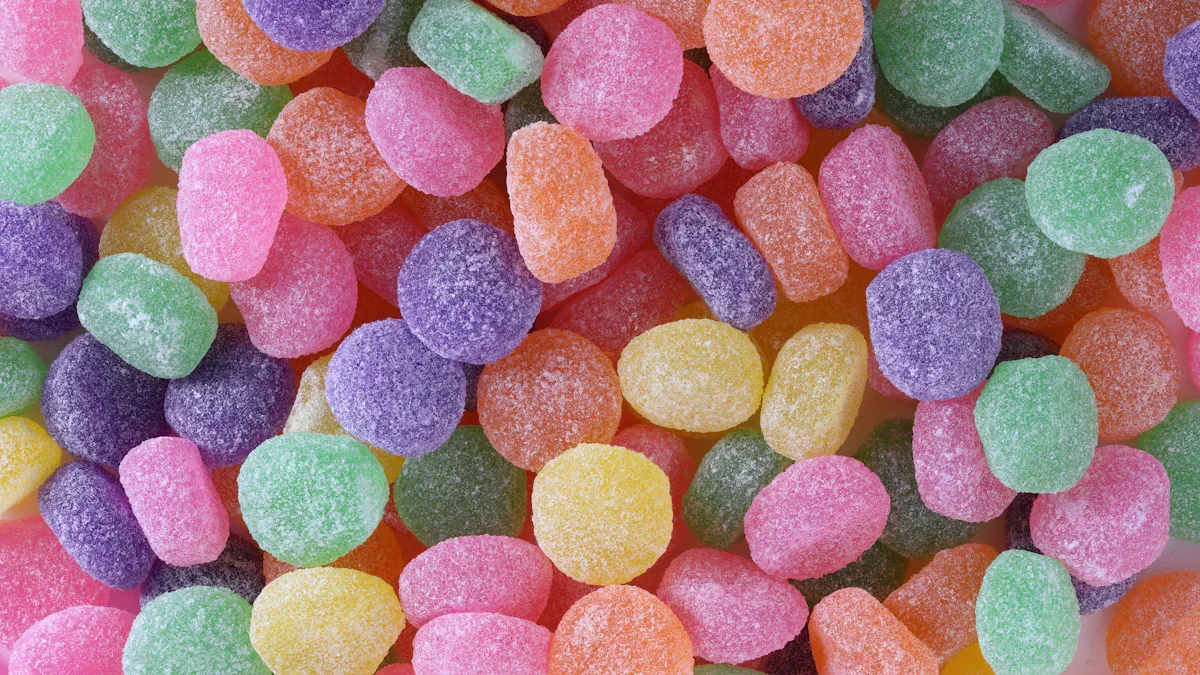
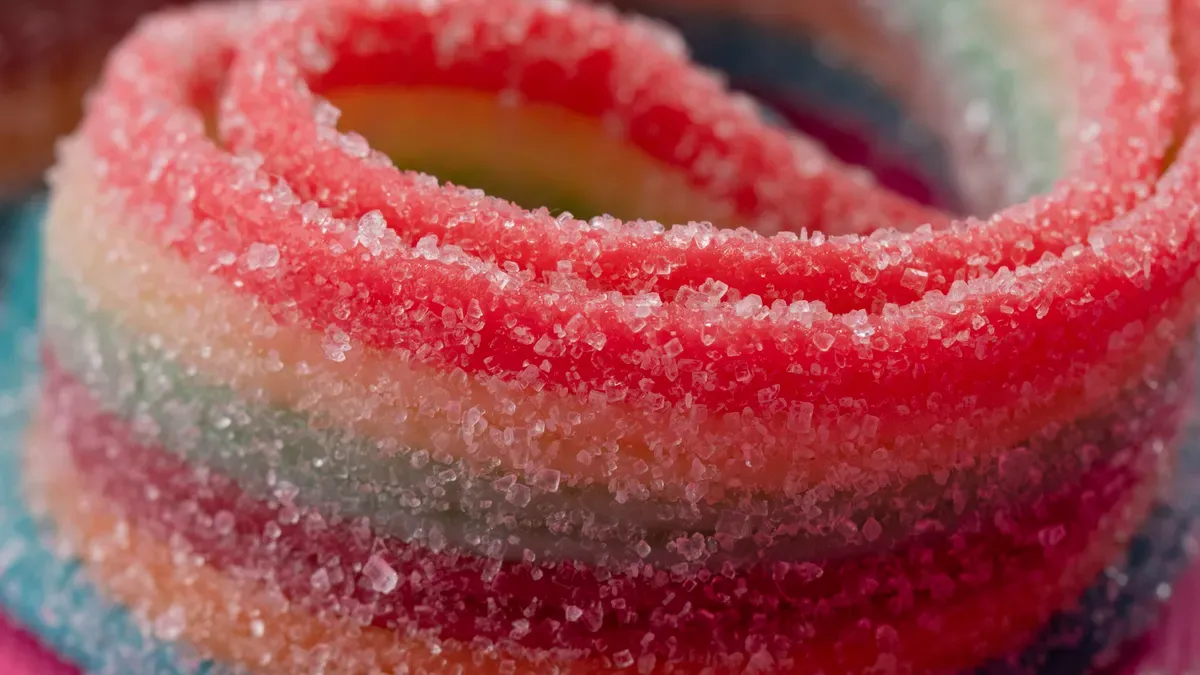
Gummy candy with sugar coating features a soft gel-based interior surrounded by a crisp outer crystalline layer. Freshly molded gummies naturally retain high internal surface moisture levels after demolding. Without proper surface treatment, ambient humidity quickly degrades the outer gel structure. Applying an outer dry coating protects the overall structural integrity of the candy while improving initial chew resistance. It also protects delicate candy shapes during transport. This specialized finish allows commercial candy makers and hobbyists to create exciting contrasting textures in every single bite.
A proper sugar coating alters how surface moisture moves across the exterior of candy:
- The sugar coating absorbs excess surface moisture from gummies, which helps maintain their firmness.
- By regulating moisture, the coating helps gummies retain their shape and chewiness over time.
- The coating also serves as a barrier against humidity, reducing stickiness and preserving the intended gummy texture.
Confectioners often apply a thin layer of flavorless oil during early surface treatment. Practical options like MCT oil or refined coconut oil coat each individual piece smoothly. This light oil layer prevents raw gummies from sticking together inside storage containers or mixing hoppers during production runs. A light oil application also creates a clean, uniform foundation for sugar coating steps without creating unwanted clumping or patchy spots.
Some specialized candy recipes require a heavier, extra-thick outer sand layer for enhanced visual appeal and flavor intensity. Confectioners apply an edible adhesive or a light corn syrup mist across the candy exterior. This sticky mist holds larger granules tightly to individual gummies without sloughing off during packaging. This coating method works exceptionally well for sour sand mixtures. Mastering the proper gummy sugar coating technique keeps sugar coated gummies delightfully soft on the inside while maintaining a firm exterior. Using a reliable gummy sugar coating method prevents liquid weeping and ensures long shelf stability for your gummy candy with sugar coating.
Why Are Gummies Coated With Sugar?
Confectioners apply an outer dry finish to soft candy for several key reasons. Adding a sugar coating improves the sensory profile of the treat. Fine granules deliver an immediate burst of sweetness upon initial tasting. Sour recipes combine sugar with citric acid. This combination creates an exciting tangy-sweet flavor contrast that elevates natural fruit notes. The crisp exterior layer also introduces a pleasant crunchy texture. That texture contrasts delightfully with the soft gel center of gummies. This dual texture enhances every bite and creates a superior eating experience.
Beyond flavor enhancements, functional surface finishes protect product quality during long storage periods. The exterior sugar coating acts as a physical barrier against environmental moisture. It shields delicate gelatin or pectin bases from rapid ambient temperature changes.
| Benefit area | Practical impact on quality |
|---|---|
| Shelf life | Preserves freshness and shields candy from ambient elements. |
| Flavor release | Elevates natural fruit notes and provides an instant taste burst. |
| Moisture absorption | Reduces surface tackiness and controls liquid transfer. |
Freshly made gummies naturally attract atmospheric humidity after demolding. The dry outer sand layer absorbs minor surface wetness to keep individual pieces separated inside packaging containers. This protective shield prevents raw pieces from sticking together or melting under warm storage conditions. Proper surface treatment preserves freshness over extended distribution cycles. Controlled surface moisture prevents weeping liquid inside retail packages. The application process is essential for extending the overall shelf life of sugar coated gummies.
Uncoated gummies often become tacky during shipping or retail display. Ambient humidity degrades untreated gel structures quite rapidly over time. Applying an exterior dry coating helps maintain shape and chewiness across variable climates. Confectioners consider producing gummy candy with sugar coating an effective way to preserve delicate candy shapes. Careful surface preparation protects the candy foundation from liquid weeping. The final gummies remain visually appealing while delivering consistent texture and flavor release to consumers. These combined benefits ensure long shelf stability for small confectionery batches and large production runs alike.
How to Sugar Coat Gummies Step-by-Step
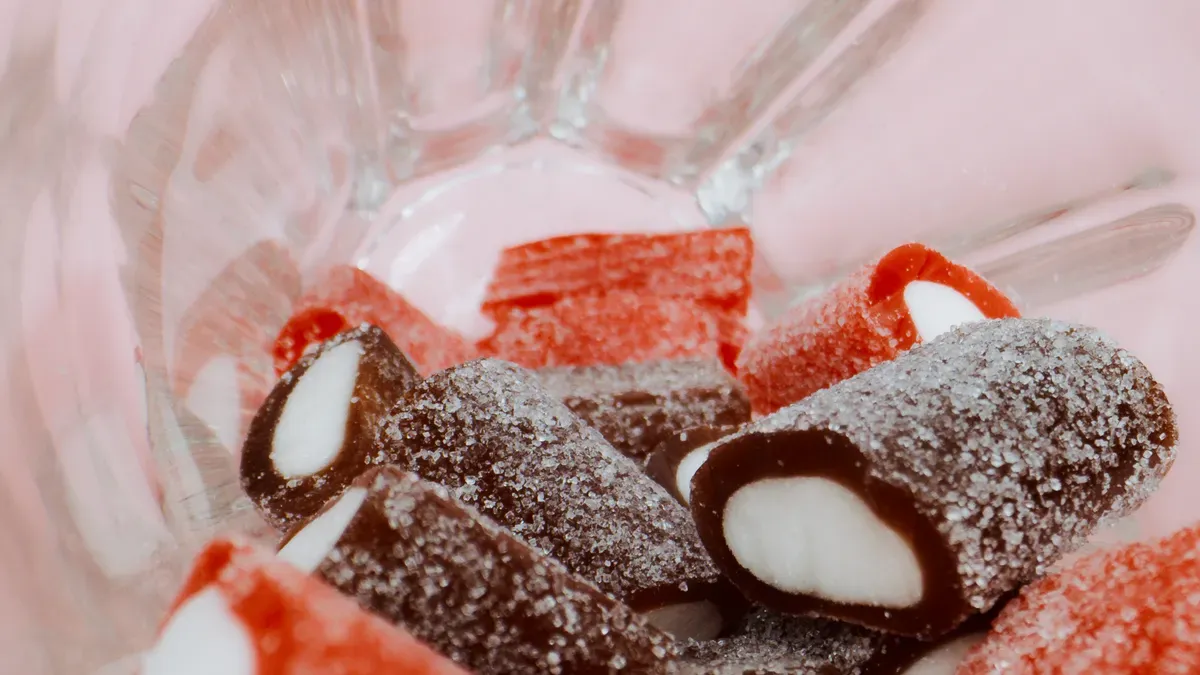
Learning how to sugar coat gummies requires precise timing and proper surface moisture control. Professional confectioners rely on proven sugar coating techniques to achieve consistent batch quality across every production run. Following standard coating methods for gummies prevents surface weeping and unwanted melting during long shelf storage. Implementing systematic gummy sugar coating procedures creates a stable product with an appealing texture and balanced flavor. Mastering these fundamental steps helps confectioners avoid sticky pieces and package loss.
Prepare and Condition the Gummies
Proper surface preparation determines the final quality of your soft gel confection. Freshly unmolded gummies must cool completely before you apply any dry coating ingredients. Warm gelatin bases dissolve sugar granules instantly upon surface contact. You must carefully control internal moisture levels before applying any gummy sugar coating. Managing ambient conditions during curing gummies steps ensures long product stability.
Before sugar coating, gummies should be coated immediately after they set and are removed from the gummy mold. If they are allowed to cure first, the coating agent may fail to stick and form an even layer, which can also affect shelf stability.
| Parameter | Recommendation |
|---|---|
| Drying room temperature | Do not exceed 80°F |
| Relative humidity | 35% |
| Gummy size 3–5 g drying time | 5–7 hours |
| Target gelatin water activity | 0.65–0.67 |
Keep your drying room temperature between 60–70°F during the initial drying stage. Maintaining approximately 35% relative humidity prevents a hard outer skin from trapping internal water. Small candy pieces weighing 3 to 5 grams require 5 to 7 hours of drying time. Use a calibrated water activity meter to verify a reading between 0.65 and 0.67 before proceeding to the next phase. These environmental controls prepare the gel surface for reliable sugar coating application. Controlling ambient water absorption prevents sticky surfaces on sugar coated candy over extended storage periods.
Apply the Coating Layer
After conditioning your batch, prepare your dry sanding mixture inside a clean mixing container. Combine your acid powder and sweet granules thoroughly before introducing any candy pieces. A 1:4 ratio of citric acid to granulated sugar serves as a standard baseline for sour sugar coating mixtures to achieve optimal taste balance. You can also replace non-encapsulated citric acid with encapsulated citric acid to stop moisture absorption.
- Place your conditioned batch lightly into a wide mixing bowl with the sugar blend.
- Pour the remaining dry mixture evenly over the gel surface.
- Toss gummies lightly in a bowl with the sugar blend using gentle hand movements until the crystalline layer covers every side evenly.
- Transfer the coated pieces directly onto a wire mesh sieve.
- Use a mesh sieve to sift off excess powder to ensure an even, non-clumpy outer layer across every piece.
Proper sifting creates a uniform exterior layer without unsightly powder clumps or uneven patches. Transfer the finished pieces onto clean parchment paper. Allow the batch to sit out for about a day to dry fully before final packaging. Commercial sugar coating gummies operations protect against surface wetness and liquid migration. Following these clear instructions ensures successful results when sugar coating gummies for long storage.
Wet Coating vs. Dry Sanding for Gummies
Confectioners choose between two primary coating methods for gummies based on their target texture and visual design. Dry sanding involves tossing conditioned gel pieces directly into dry crystalline granules. Fresh gummies retain just enough natural surface tackiness to grab sweet crystals without liquid additives. In contrast, wet processing applies an active liquid binder onto the gel exterior before introducing dry ingredients. Factory operators evaluate batch size, drying room humidity, and target shelf life before selecting a coating method. Both approaches offer unique advantages for commercial candy manufacturing operations.
| Coating Method | Primary Liquid Binder | Visual Appearance | Ideal Application |
|---|---|---|---|
| Dry Sanding | Natural surface moisture | Matte crystalline finish | Sour sand and sweet layers |
| Wet Coating | Refined oil or syrup mist | Glossy or thick shell | Heavy toppings and long storage |
Executing wet coating steps requires applying a light oil mist or edible syrup binder. Confectioners spray a thin layer of refined oil onto a batch of gummies inside a rotating coating drum. This sticky binder holds larger granules securely across the entire candy surface. Wet processing prevents loose powder from shedding inside consumer packaging during shipping. However, applying excessive liquid binder causes unwanted liquid migration and sticky surfaces over time. Production teams monitor liquid application rates closely to maintain proper moisture balance across all production runs.
Dry sanding remains the standard process when sugar coating gummies for high-volume candy production. Workers toss cured pieces directly into dry sweet granules without liquid sprays. Applying a uniform sugar coating protects the soft gel center while maintaining pleasant chewiness. Confectioners master these specialized sugar coating techniques to optimize shelf stability across retail channels. A balanced outer sugar coating elevates natural fruit flavor while maintaining consistent piece separation inside store packages. This reliable technique preserves overall structural integrity throughout extended storage periods in commercial warehouses.
How to Choose a Gummy Sugar Coating Machine
Selecting the right manufacturing equipment depends on your specific product design and total batch output goals. Confectioners must choose between a rotating pan coater and a continuous belt coater. Pan coaters tumble candy pieces inside a rotating drum while applying liquid syrup in thin layers. This constant tumbling motion creates a uniform dry shell over delicate gummies. Belt coating machines pass items through a continuous liquid curtain over a moving conveyor belt. Factories use belt coaters mainly for chocolate enrobing rather than building a sweet crystalline exterior. A tumbling pan coater builds up an even sugar coating layer without damaging the soft interior gel structure.
| Selection Factor | Small-Scale Machine Requirement | Practical Impact on Production |
|---|---|---|
| Capacity | Scalable batch drum size | Handles current small-batch needs while supporting future expansion goals. |
| Coater Type | Pan coater equipment | Offers a compact footprint and high operational flexibility for small batches of gummies. |
| Sanitation | Detachable stainless steel parts | Simplifies daily sanitation tasks and reduces batch contamination risks. |
| Automation | Programmable settings | Reduces manual labor and supports consistent batch results for small production teams. |
You must also evaluate specific machine features that match your exact recipe formulation. Gelatin, pectin, vegan, and sugar-free bases require precise operational settings during active processing. Look for a machine with variable speed controls, an integrated temperature control system, and a dedicated humidity control system. Variable drum speeds prevent soft gummies from tearing during long tumbling cycles.
Meanwhile, temperature control systems maintain ideal syrup temperatures to stop premature crystallization before application. Proper equipment ensures that the initial sugar coating adheres smoothly across the entire exterior. Modern systems with real-time monitoring and programmable controls simplify the overall gummy sugar coating process. Selecting proper machinery guarantees consistent gummy sugar coating quality across every production run. Finally, investing in energy-efficient equipment reduces operational expenses while ensuring long shelf stability for your gummy sugar coating line.
How Does a Commercial Gummy Sugar Coating Machine Work?
Commercial production lines rely on automated machinery to streamline the gummy sugar coating process. A Z-type conveyor moves cured gummies directly from the cooling tunnel into the main coating drum. The angle-adjustable coating pan provides a full 360° turnover without dead corners during active processing. This continuous motion ensures gummies tumble evenly through each processing phase. The core machine components include a robust transmission unit, a spray gun feeding system, a hot air circulation system, and an intelligent control module.
The equipment handles 50–250 kg per batch, while total production line capacity can reach up to 600 kg/h. An oil spraying system first applies a thin liquid layer to prevent raw gummies from sticking together inside the drum. Next, liquid injection systems apply syrup using a small-dose, multi-spray method. The specialized nozzles atomize syrup and powder uniformly over the tumbling candy surface. An integrated hot air system maintains a constant hot air temperature at 40–50°C. This controlled thermal environment prevents the outer sugar coating from cracking due to rapid surface drying.
| Machine Component / Parameter | Operational Function |
|---|---|
| PLC control system | Features one-button operation and automatically records spray volume, temperature, and rotation speed for traceability. |
| PID temperature control | Keeps temperature fluctuation within ±1°C to protect original food flavor and color. |
| Variable speed drive | Uses frequency-converted speed regulation to adjust drum rotation based on specific recipe needs. |
| Recipe management | Stores multiple sugar coating recipes that operators can load with a single click. |
The machine uses precise gummy sugar coating techniques to maintain consistent batch quality across continuous factory runs. Operators can adjust the drum rotation speed to protect delicate gel interiors from physical tearing. After completing the coating cycle, the machine discharges finished material automatically by reversing or tilting the pot. This automated workflow simplifies daily factory operations while protecting overall product stability. Confectioners count on modern equipment to achieve a clean gummy sugar coating finish across every commercial production batch.
Common Sugar Coating Mistakes to Avoid
Candy makers face several technical challenges during coating processes for gummies. High moisture content inside the soft candy interior remains a major cause of product failure. When confectioners package items with high internal water activity, excess moisture moves to the exterior surface. This moisture migration dissolves crystals and leaves a tacky film on the finished product.
| Mistake | Cause of Coating Breakdown | Prevention Method |
|---|---|---|
| High water activity at packaging | Excess moisture migrates to the surface, creating a glossy or sticky coating layer. | Measure water activity with a meter and target a range of 0.60–0.67 aW based on the candy base. |
| Drying too fast (case hardening or lockout) | Trapped internal moisture later escapes inside package containers, spoiling outer layers. | Control ambient conditions at 60–70°F and 35% relative humidity during drying. |
| Using non-encapsulated citric acid | Citric acid attracts air moisture rapidly due to its high hygroscopic nature. | Blend ascorbic acid with citric acid or use encapsulated citric acid. |
| Choosing gelatin for warm climates | Gelatin melts near body temperature, ruining the protective outer finish. | Select a heat-resistant pectin formula for hot shipping routes. |
| Skipping moisture equilibration | Uneven surface wetness destabilizes sweet sand layers during storage. | Allow full moisture equilibration and pack items in moisture-resistant containers. |
Processors must avoid drying candy too quickly during early preparation stages. Rapid surface drying forms a hard outer shell that traps water inside the piece. This trapped moisture slowly escapes inside sealed retail packaging later. The escaping water breaks down the sweet exterior layer and ruins product appearance.
Raw ingredient choices also influence long-term stability. Standard citric acid pulls moisture directly from ambient air into the shell. Confectioners switch to encapsulated citric acid to prevent sticky surfaces on sugar coated gummies. Choosing pectin over gelatin helps gummies withstand warm shipping conditions without melting. Proper surface treatment prevents expensive batch loss when sugar coating gummies in commercial production facilities. Following established rules guarantees excellent results for your sugar coating output.
Conclusion
Mastering the production of shelf-stable soft candy requires strict surface preparation and environmental control. Confectioners must manage internal moisture properly before applying dry granules to gel pieces. The four core steps include curing the gel base, applying a light binding layer, tossing pieces evenly in sweet crystals, and sifting off extra powder. Executing these steps systematically prevents weeping liquid, eliminates surface tackiness, and preserves optimal chewiness over time.
Controlling critical process parameters keeps your final product fresh during extended storage. In-process testing of raw material purity and viscosity protects batches from unexpected stability deviations. The following temperature parameters protect overall product structure across key manufacturing stages:
| Stage | Temperature target | Purpose |
|---|---|---|
| Cooking | 230–240°F | Dissolves solids completely and sets gel foundation |
| Cooling | 70–80°F | Prevents stickiness before applying surface layers |
| Storage | 60–70°F | Maintains texture and prevents outer surface sweating |
Operators must maintain low water activity through precise formulation and drying. Cooking to target Brix values controls final moisture content and structural firmness. Real-time monitoring of pH levels maintains flavor stability while limiting microbial growth. Controlling humidity inside the coating drum and packaging area prevents ambient moisture from dissolving exterior sweet layers. Fine-tuning your curing gummies schedule according to local air moisture ensures proper surface tackiness.
Proper post-production analysis verifies ingredient concentrations, weight, and overall appearance before final shipment. Confectioners must inspect fill weights, verify seal integrity, and pack finished items directly into moisture-barrier packaging. Inspected seals block moisture ingress, preserving the crisp outer shell during retail distribution. Following these established manufacturing principles guarantees that your gummy candy with sugar coating maintains superior visual appeal, balanced flavor, and long shelf life across all climate conditions.
Careful surface preparation and strict environmental controls guarantee long shelf life and professional quality for every batch of coated confections.
Mastering the sugar coating process requires managing initial moisture and applying proper binding layers like MCT oil. Confectioners must use balanced acid-to-sugar ratios and sift off excess powder. High ambient humidity disrupts sugar coating stability. You must fine-tune curing times based on ambient humidity levels by keeping the drying space enclosed below 70°F (21°C) and drying gummies for 24-48 hours.
Careful surface preparation prevents liquid sweating and sticky textures on raw gummies. Applying a light oil layer stops clumping under moist conditions. Proper moisture control helps gummies retain chewiness over long storage periods. Mastering these surface preparation steps guarantees shelf-stable, professional-quality sugar coated gummies for every batch.
FAQ
What is the ideal ratio for a sour coating?
Combine one part citric acid with four parts granulated sugar to achieve a balanced flavor. This standard 1:4 ratio prevents extreme sourness while creating a crisp outer layer. You can also use encapsulated citric acid to stop the mixture from absorbing ambient moisture.
How long should you dry candy pieces before applying sugar?
Dry small pieces weighing 3 to 5 grams for 5 to 7 hours. Maintain a drying room temperature between 60°F and 70°F with 35% relative humidity. Ensure the water activity reaches 0.65 to 0.67 before sugar coating gummies.
Why do coated gummies become sticky in storage?
High internal water activity forces trapped moisture to move toward the exterior surface. This escaping liquid dissolves crystalline granules and creates a tacky film. Controlling humidity and using flavorless oil binders prevents surface sweating over time.
What operating temperature preserves the texture of gummies in machines?
Automated coating pans use an integrated hot air system set between 40°C and 50°C. This precise thermal environment dries liquid binders evenly. Controlled heating prevents exterior shell cracking while preserving the soft texture of underlying confections.