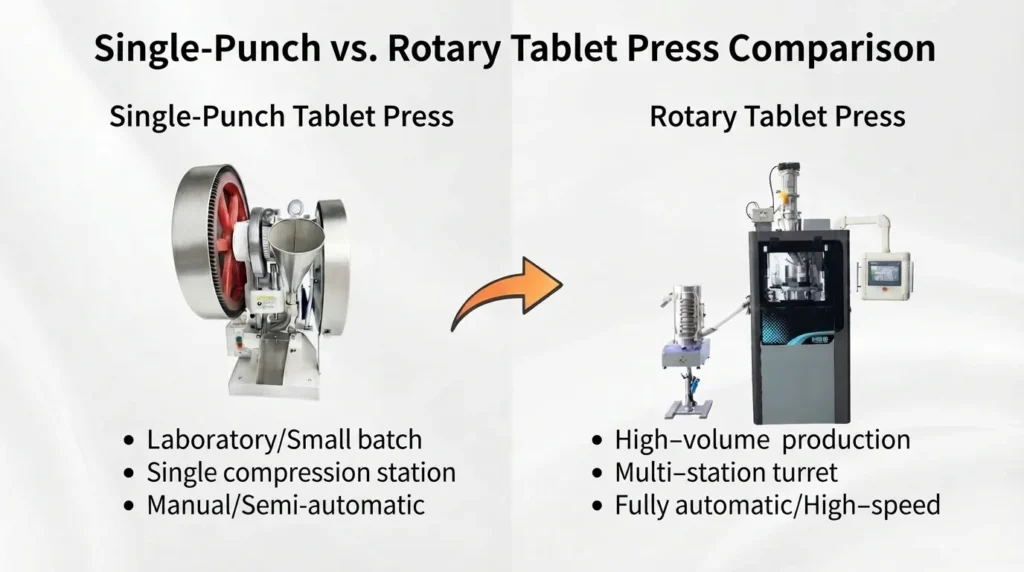
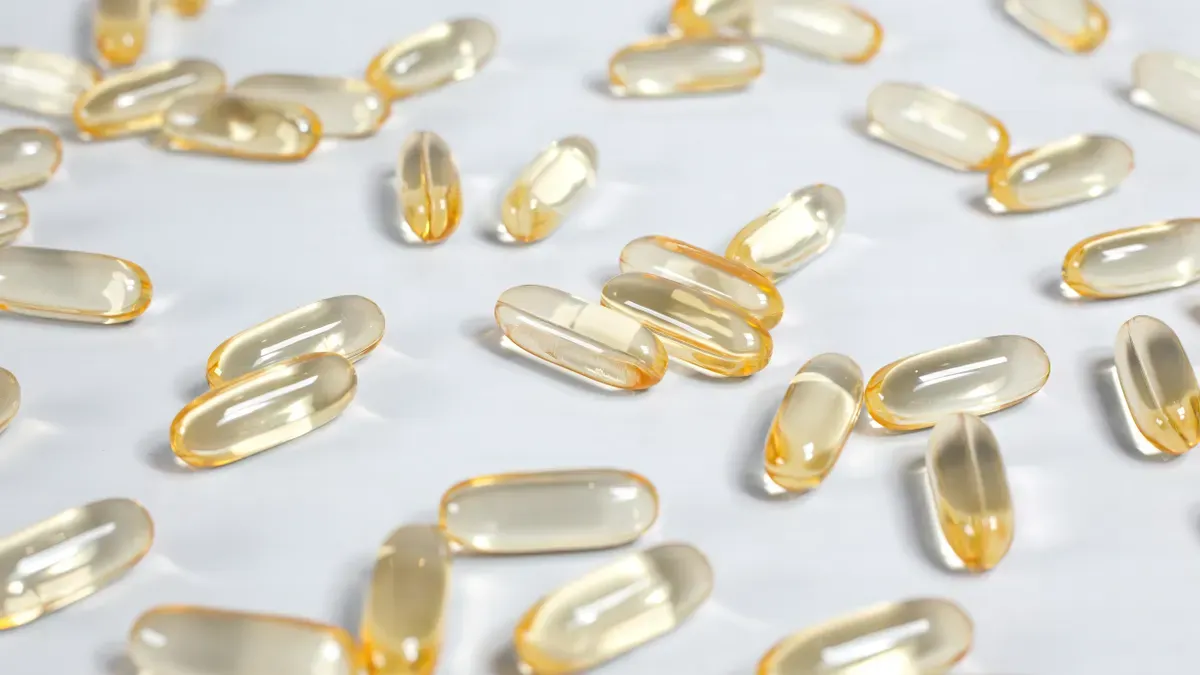
What is a softgel? A softgel capsule is a smooth, one-piece shell that holds a liquid or semi-solid fill. The shell often uses gelatin or vegetarian materials, making soft gels easy to swallow and gentle on the stomach. Many people ask what is a softgel and choose this form for its ability to mask unpleasant tastes and protect sensitive ingredients. Softgel capsules are popular in both medicine and nutrition. The following table shows where they are commonly used:
| Category | Examples of Use |
|---|---|
| Pharmaceuticals | Pain relievers, antibiotics, hormones |
| Nutraceuticals & Dietary Supplements | Omega-3 fatty acids, multivitamins, herbal extracts, CBD oils |
| Cosmeceuticals | Anti-aging and skincare supplements |
| Specialty Nutrition | Pediatric and geriatric formulations for easy ingestion |
Softgels offer uniform dosing, enhanced bioavailability, and protection against oxidation, making them a preferred choice for many supplement users.
Key Takeaways
- Softgel capsules are easy to swallow due to their smooth, flexible shell, making them ideal for those with swallowing difficulties.
- They offer faster absorption of nutrients compared to tablets, enhancing bioavailability for fat-soluble vitamins and oils.
- The softgel manufacturing process involves strict quality control to ensure each softgel contains the correct dosage and maintains ingredient stability.
- Softgels protect sensitive ingredients from light, oxygen, and moisture, keeping them fresh and effective for longer.
- Choosing softgel capsules can improve patient adherence to medication due to their pleasant texture and ability to mask unpleasant tastes.
What Is a Softgel?
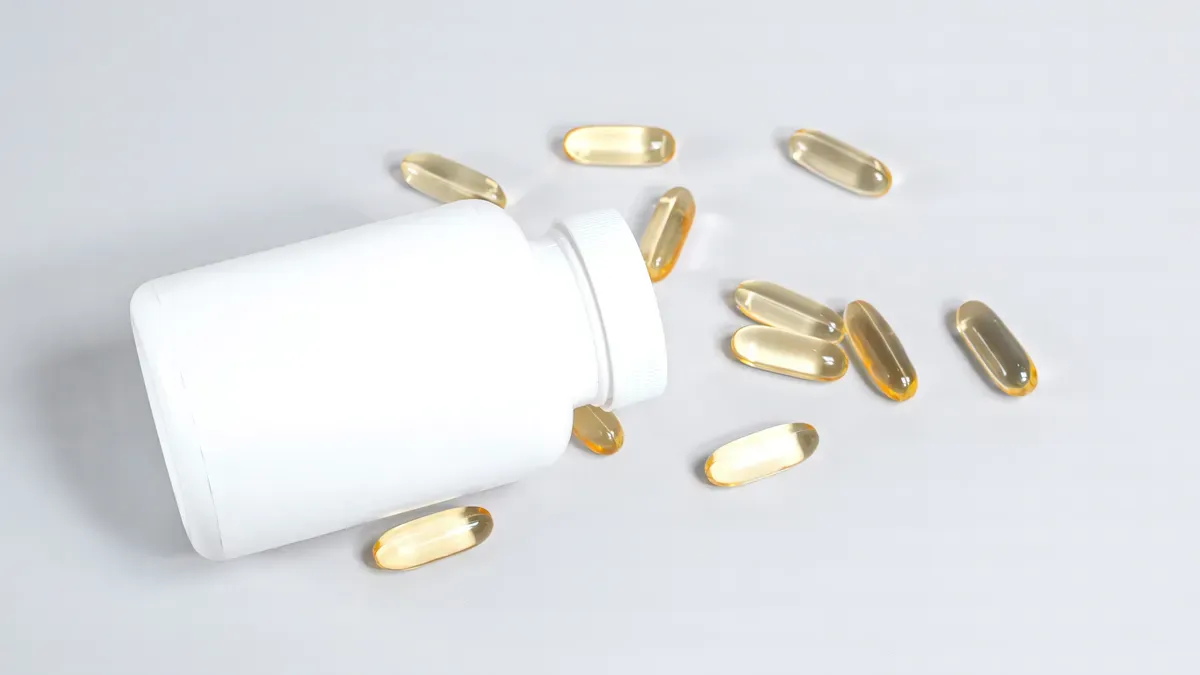
Many people want to know what is a softgel and why it is different from other pills. A softgel is a type of capsule with a smooth, flexible shell. This shell holds a liquid or semi-solid fill inside. The shell often uses gelatin, but some softgels use vegetarian materials for people who do not want animal products.
The main question is, what is a softgel made of? The shell contains three main ingredients. These are gelatin, plasticizer, and water. The table below shows the typical percentages of each material in the shell:
| Material | Percentage (%) |
|---|---|
| Gelatin | 40-50 |
| Plasticizer | 30-35 |
| Water | 20-30 |
The fill inside softgel capsules can be a solution, a dispersion, or a suspension. Some softgels use oils like soy oil or castor oil for the fill. Others use hydrophilic liquids such as PEG 400 or PEG 600. This makes softgels a good choice for many types of medicines and supplements.
Note: The softgel shell is hermetically sealed. This means it keeps air and moisture out. Sensitive ingredients stay fresh and stable inside the capsule.
When people ask what is a softgel, they often want to know how it compares to other forms like tablets or hard capsules. The table below shows the key structural differences:
| Dosage Form | Structure Description |
|---|---|
| Softgel Capsules | Gelatin-based shell encasing liquid or semi-solid active ingredients, hermetically sealed. |
| Tablets | Solid compressed forms made by pressing powdered ingredients into a hard pill. |
| Hard Capsules | Hard or soft shell made from gelatin or other materials, encasing powdered or granulated ingredients. |
Softgel capsules stand out because they can hold liquids and oils. Tablets and hard capsules usually hold powders or granules. The soft shell makes softgels easy to swallow. Many people choose softgel capsules because they mask bad tastes and are gentle on the stomach.
Softgel Manufacturing Process
The softgel capsule manufacturing process involves several precise steps. Each step ensures that the final product is safe, effective, and consistent in quality. Softgel production uses advanced technology and strict quality control to meet industry standards.
Step 1: Preparation of Gelatin Mass
The first step in making a softgel is preparing the gelatin mass. Manufacturers use gelatin, water, and a plasticizer such as glycerin or sorbitol. These ingredients are mixed and heated in large stainless steel tanks. The mixture forms a thick, clear solution. Some companies use vegetarian alternatives like modified starch or carrageenan for people who avoid animal products. The gelatin mass gives the softgel its flexible and smooth shell.
Temperature and humidity control are important during this stage. If the gelatin mass is too thick or too thin, the softgel shell may not form correctly. Technicians monitor the process closely to ensure the right consistency.
Step 2: Preparation of Fill Material
The next step is preparing the fill material. This is the active ingredient or blend that goes inside the softgel. The fill can be a liquid, oil, or semi-solid. Some common examples include fish oil, herbal extracts, or vitamins. The fill must be homogenous and free from particles that could clog the encapsulation machine.
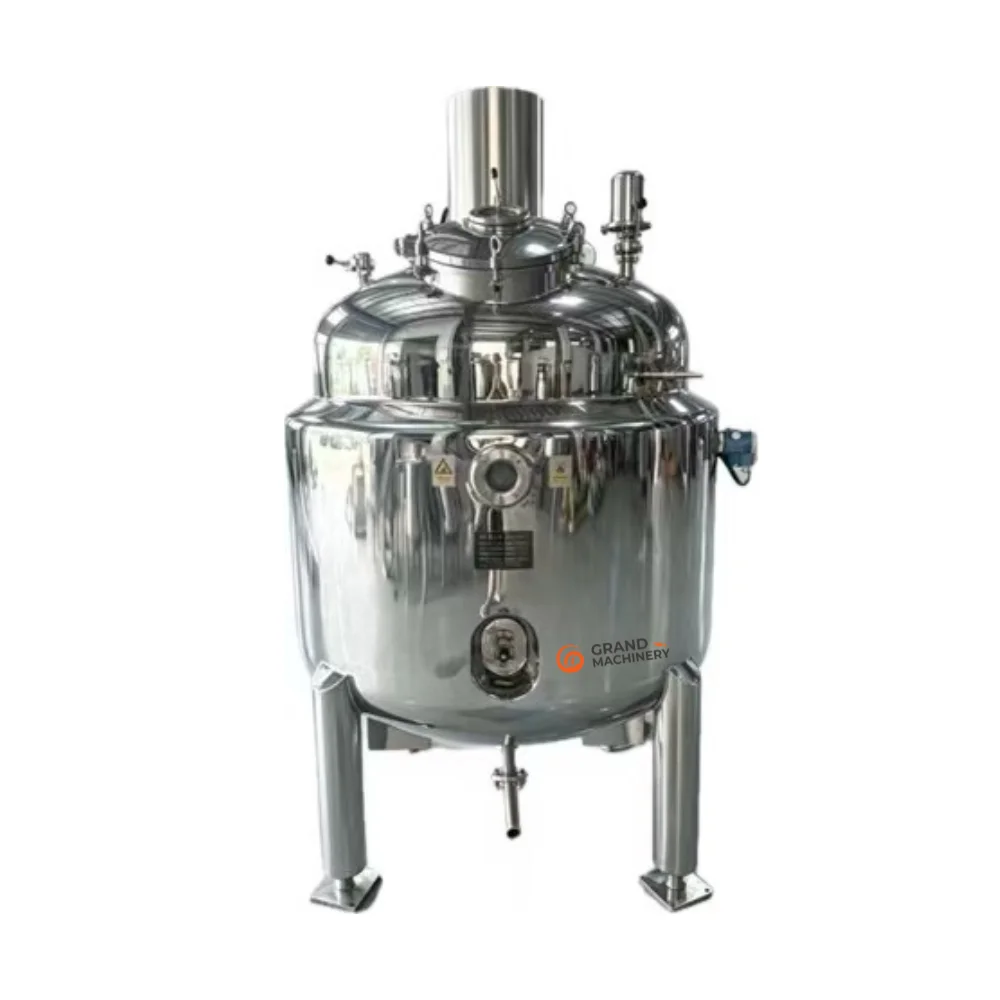
For a liquid-filled capsule, the fill material must meet strict quality standards. Manufacturers test for purity, potency, and stability. They use advanced equipment to blend and filter the fill, making sure it is ready for encapsulation.
Step 3: Softgel Encapsulation Process
The encapsulation process is the heart of softgel manufacturing. Specialized machines bring together the gelatin mass and the fill material. The machine forms two thin ribbons of gelatin. These ribbons move through rotating dies that shape the softgel. At the same time, the fill material is injected between the ribbons. The machine seals the ribbons around the fill, creating a softgel capsule.
This process must be precise. If the gelatin ribbons are too thick or too thin, the capsules may not seal properly. Technicians adjust the machine settings to control ribbon thickness, fill volume, and sealing temperature. This step allows for the production of many shapes and sizes, from oval to oblong softgels.
Tip: Regular calibration of the encapsulation machine helps prevent common problems like uneven ribbon thickness or weak seams.
Step 4: Drying and Curing
After encapsulation, the softgel capsules are soft and sticky. They need to be dried and cured to reach their final strength and texture. Capsules are placed in drying tunnels or on trays in temperature- and humidity-controlled rooms. Air flows over the capsules to remove excess moisture.
Proper drying is essential. If capsules are not dried evenly, they may stick together or become brittle. The drying process can take several hours to a few days, depending on the size and fill of the softgel.
Step 5: Inspection and Quality Control
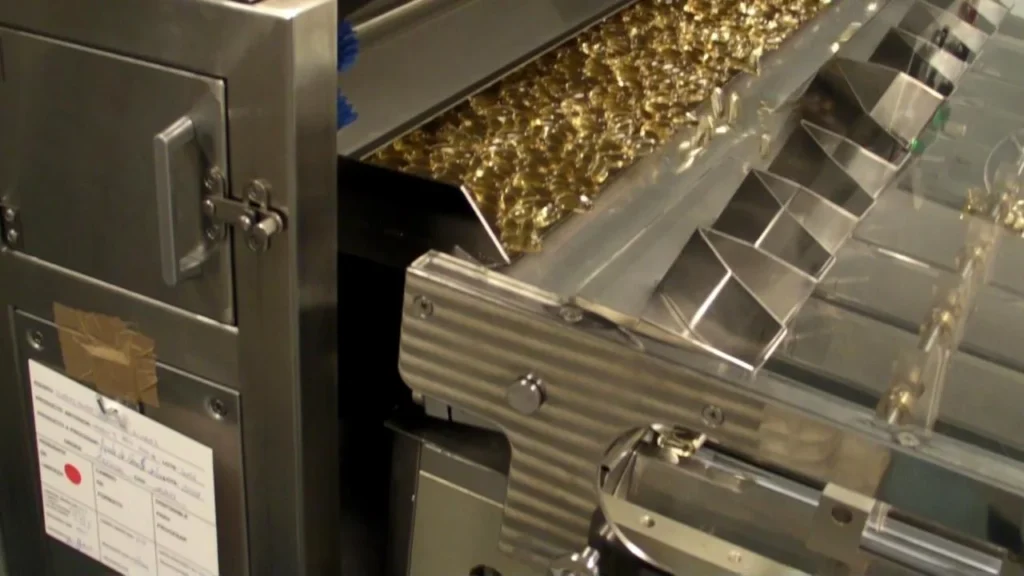
Quality control is a key part of softgel manufacturing. Each batch goes through multiple checks to ensure safety and consistency. The table below shows some of the main quality control measures used in softgel production:
| Quality Control Measure | Description |
|---|---|
| Compliance with cGMP standards | Ensures consistent manufacturing of quality products under safe conditions. |
| Rigorous testing of raw materials | Tests for contaminants like heavy metals, pesticides, and microbiological agents. |
| In-process checks | Multiple quality checkpoints to address any quality or purity variance during production. |
| Final product analysis | Advanced analytical methods like HPLC and mass spectrometry verify product composition and purity. |
| Documentation and traceability | Maintains records at every production step for full traceability of materials and processes. |
| Supplier qualification program | Strict assessments and standards for sourcing high-quality ingredients from trusted suppliers. |
| State-of-the-art equipment | Investment in advanced blending and encapsulation equipment for precise control over product quality. |
Technicians also check for defects such as leaks, air bubbles, or incorrect fill weights. Advanced machines use cameras and sensors to inspect each softgel. Only capsules that meet all standards move to the next stage.
Step 6: Packaging and Storage
Softgel capsules are counted and placed into bottles by an automatic counting bottling line, or packed into blister packs and bulk containers. Packaging protects the capsules from light, moisture, and oxygen. This helps keep the active ingredients stable and effective.
Manufacturers follow strict safety standards in their facilities. The table below lists some of the main safety standards required for softgel production:
| Safety Standard | Description |
|---|---|
| cGMP | Equipment must comply with current Good Manufacturing Practices, ensuring quality and safety in production. |
| CE Marking | Indicates compliance with European safety standards. |
| UL/CSA | Certification for safety standards in the United States and Canada. |
| Material Standards | Use of certified materials like 316 steel that meet FDA guidelines. |
Proper storage is also important. Softgels should be kept in cool, dry places to prevent damage. Manufacturers document every step for traceability and regulatory compliance.
Note: Regulatory requirements for softgel manufacturing vary by region. In the US, companies must follow DEA regulations for importing machines and keep detailed records. In the EU, rules cover pharmaceutical manufacturing, machinery safety, and export controls.
Common Challenges in Softgel Manufacturing
Making softgel capsules can present challenges. Some common problems include uneven ribbon thickness, weak seams, fill weight variability, capsule sticking, and gelatin scrap management. Manufacturers solve these issues by calibrating machines, adjusting temperatures, and using proper lubricants. Recycling practices help reduce waste and improve efficiency.
The softgel manufacturing process combines science, technology, and strict quality control. This ensures that every softgel capsule delivers accurate dosage, consistent quality, and safe ingredients to consumers.
Benefits of Softgel Capsules
They Are Easier to Swallow
Many people find soft gels easier to swallow than other forms of medication. The smooth, flexible shell glides down the throat with little effort. A consumer preference survey showed that most participants rated softgel capsules highest for ease of swallowing. This feature is especially important for children, older adults, and anyone with swallowing difficulties. The pleasant texture and lack of sharp edges make soft gels a preferred choice for those who struggle with traditional tablets.
Soft gels can also mask unpleasant tastes and odors, which helps improve patient acceptance and adherence to treatment.
Faster Breakdown and Better Absorption
Softgel capsules break down quickly in the stomach. The shell dissolves in one step, releasing the liquid fill for immediate absorption. This process leads to enhanced bioavailability, especially for fat-soluble nutrients like omega-3 fatty acids and vitamins A, D, E, and K. Research shows that medications in softgel form can reach peak blood levels faster than tablets.
| Form | Breakdown Process | Absorption Rate | Bioavailability |
|---|---|---|---|
| Softgels | One-step (shell dissolves, liquid absorbed) | Faster, often immediate | Higher due to pre-dissolved nutrients |
| Capsules | Two-step (shell dissolves, powder absorbed) | Slower, influenced by factors | Lower, requires additional breakdown |
This rapid breakdown means that supplements in soft gels can start working within minutes, providing quick relief or nutritional support.
Accurate Dosage and Consistent Quality
Manufacturers use advanced technology to ensure each softgel contains the correct amount of active ingredient. Fill weight accuracy is checked at regular intervals. Machines adjust settings to maintain consistency. Sealing integrity is tested to prevent leaks or weak points. These steps help guarantee that every capsule delivers the intended dose.
- Robust quality control systems monitor every stage of production.
- Homogenous mixtures ensure even distribution of ingredients.
- Custom formulation and testing help maintain high standards.
This attention to detail makes softgel capsules a reliable choice for both medicine and supplement use.
Better Protection Against Light, Oxygen, and Moisture
Softgels have a hermetic shell that protects sensitive ingredients from air, light, and moisture. This is important for oils and vitamins that can break down when exposed to the environment. Manufacturers can use opaque or tinted shells to further shield the contents from light. Careful control of water activity and storage conditions helps maintain the integrity of each softgel.
- The sealed design keeps supplements fresh and potent.
- Soft gels are ideal for ingredients that need extra protection.
Tamper-Proof and Easy to Package
Softgel capsules are difficult to tamper with because of their seamless, one-piece design. Any attempt to open or alter the capsule is easy to spot. This feature adds an extra layer of safety for consumers. Soft gels are also simple to package in bottles or blister packs, making them convenient for both manufacturers and users.
The combination of tamper resistance and easy packaging makes soft gels a practical choice for many supplement and pharmaceutical products.
| Advantage | Description |
|---|---|
| Quick Digestion | Softgel capsules digest rapidly in the stomach, facilitating faster absorption. |
| Higher Bioavailability | Softgels enhance the bioavailability of nutrients compared to traditional capsules and tablets. |
| Suitable for Fat-Soluble Oils | They are ideal for liquid supplements, especially those that are fat-soluble like omega-3s. |
Soft gels offer a unique blend of convenience, safety, and effectiveness. These benefits explain why so many people choose softgel capsules for their supplement and medication needs.
Softgel Capsules vs. Tablets and Hard Capsules
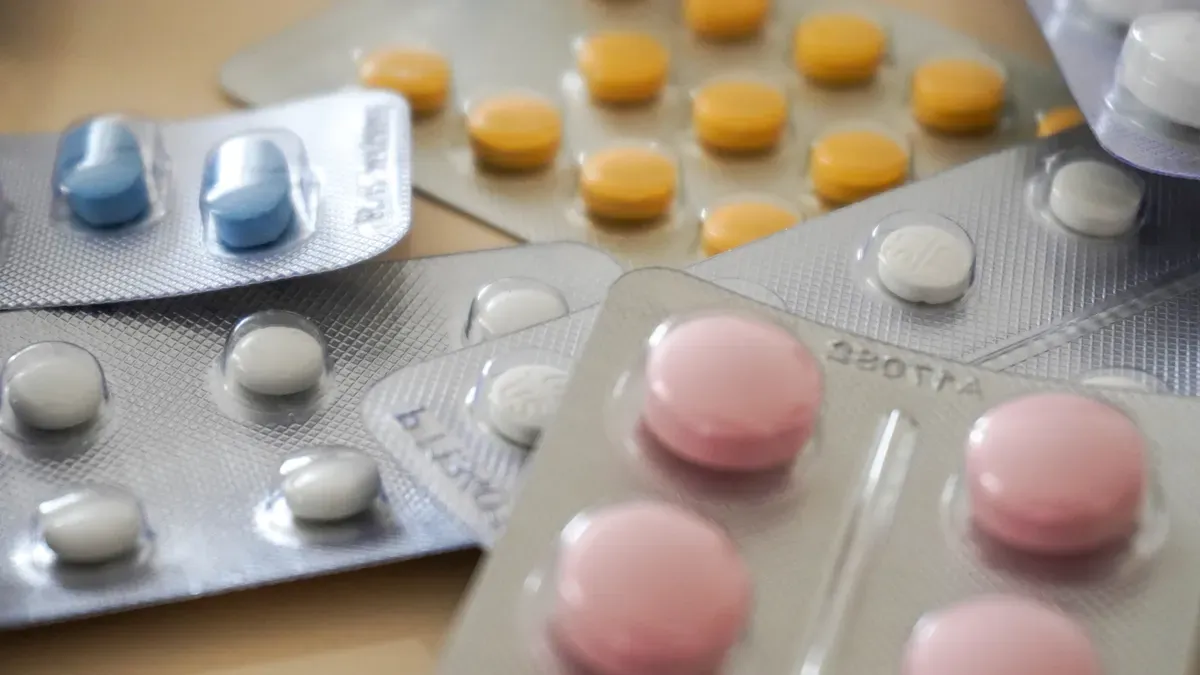
Softgel capsules, tablets, and hard capsules are three common forms used for delivering supplements and medicines. Each form has unique features that affect how people use them and how well the body absorbs their ingredients.
| Dosage Form | Structure | Fill Type | Swallowing Ease | Taste Masking | Bioavailability |
|---|---|---|---|---|---|
| Softgel Capsules | Flexible, sealed shell | Liquid/semi-solid | High | Excellent | Superior |
| Tablets | Compressed solid | Powder | Moderate | Poor | Lower |
| Hard Capsules | Rigid shell (often two-piece) | Powder/granules | Moderate | Good | Lower |
Softgel capsules have a smooth, flexible shell that holds a liquid or semi-solid fill. This design makes soft gels easy to swallow and helps mask strong tastes and odors. Tablets are solid pills made by compressing powder. They often have a chalky texture and can be hard to swallow for some people. Hard capsules use a rigid shell, usually made from gelatin or vegetarian materials, to hold powder or granules.
Softgel capsules stand out for their superior bioavailability. Their liquid or semi-solid content allows more of the active ingredient to enter the bloodstream. This is especially true for fat-soluble vitamins and compounds like Omega-3 fatty acids. Soft gels help the body absorb these nutrients faster and more efficiently than tablets or hard capsules.
- Softgels allow for a higher proportion of the active ingredient to reach systemic circulation.
- They are particularly effective for supplements with oil-based formulas or poorly water-soluble ingredients.
Many people prefer softgel capsules when they need a supplement that is easy to swallow, masks unpleasant tastes, or delivers fat-soluble nutrients. Soft gels are also ideal for premium products and formulas that require extra protection from light and moisture.
Tip: If you struggle with swallowing pills or need a supplement with oil-based ingredients, softgel capsules may be the best choice.
How Does a Softgel Encapsulation Machine Work?
Main Components of a Softgel Machine
A softgel encapsulation machine uses several specialized parts to produce softgel capsules efficiently. Each component plays a unique role in the process. The medicine hopper and pump store the fill material and control its flow, making sure each softgel receives the correct amount. The injection wedge injects the fill into gelatin ribbons, which helps maintain uniform filling. Gelatin melting and service tanks prepare the gelatin for capsule formation. The spreader box spreads the gelatin evenly, while the casting drum forms the shape of the softgel.
Other important parts include lubrication rollers, which prevent sticking during the encapsulation process. The die roll assembly shapes the capsules as they are formed. The conveyor moves the softgel capsules through the machine. The tumble dryer dries the capsules after formation. Operators use a PLC touch screen to monitor and control the machine’s operations. The sealing component closes and lids the capsules, ensuring the soft material inside stays secure and preventing leakage.
The medicine hopper and pump are essential for supplying the fill material to the encapsulation area. This ensures product consistency and effectiveness.
Types of Softgel Capsules
Gelatin Softgel Capsules
Gelatin softgel capsules are the most common type found in pharmacies and supplement stores. Manufacturers use animal collagen from sources like bovine, porcine, or fish to create the shell. These capsules dissolve quickly at body temperature, which helps the body absorb the contents fast. Gelatin softgels are ideal for delivering oils and fat-soluble vitamins. However, they are not suitable for people who follow vegan or vegetarian diets. Some users notice that gelatin capsules can melt or clump in hot climates. The risk of cross-linking may cause the shell to harden over time, which affects shelf life.
Gelatin softgels offer rapid dissolution and are preferred for their smooth texture.
Vegetarian Softgel Capsules
Vegetarian softgel capsules use plant-based materials such as carrageenan from seaweed or modified starch. These capsules are 100% vegan-friendly and meet the needs of people who avoid animal products. Vegetarian softgels have higher heat stability, making them suitable for storage in warmer environments. They do not experience cross-linking, so the shell stays consistent and dissolves reliably. Although the dissolution speed is slightly slower than gelatin capsules, vegetarian softgels provide steady performance.
| Feature | Traditional Gelatin Softgels | Vegan / Vegetarian Softgels |
|---|---|---|
| Primary Source | Animal Collagen | Seaweed or Plant Starch |
| Dietary Suitability | Not Vegan/Vegetarian | 100% Plant-Based |
| Heat Stability | Lower | Higher |
| Shelf Life Issues | Cross-Linking Risk | No Cross-Linking |
| Dissolution Speed | Rapid | Consistent |
Different Shapes and Sizes of Softgels
Softgel capsules come in many shapes and sizes to suit different needs. Manufacturers produce round, oval, oblong, and even twist-off designs. The size of a softgel can range from very small to large, depending on the amount of fill required. Some shapes, like suppository or tub, are used for special applications. The table below shows the most common shapes and their size ranges:
| Shape Type | Size Range (minims) |
|---|---|
| Round | 1 to 20 |
| Oval | 2 to 20 |
| Oblong | 3 to 24 |
| Suppository/Pessary | 6 to 17 |
| Twist-off | 6 to 22 |
| Tub | 8 to 30 |
Softgel capsules offer flexibility in design, which helps manufacturers create products for various uses. The choice of shape and size depends on the dosage, the type of fill, and the intended method of administration.
How to Choose the Right Softgel Manufacturing Solution?
Selecting the right softgel manufacturing solution is important for companies that want to produce high-quality supplements. Many factors influence this decision. Manufacturers must look for modern equipment that can handle different production volumes. Advanced machinery helps ensure product consistency and safety. Skilled workers who can adapt quickly are also valuable. Facility size matters because enough space prevents bottlenecks and supports efficient workflows.
Short lead times allow companies to respond to market trends. Packaging and labeling must protect the softgel capsules and meet regulations. Regulatory support is essential for compliance with industry standards. Strong customer service and clear communication help build lasting partnerships.
Tip: Companies should ask about equipment upgrades and technology improvements before choosing a manufacturing partner.
Leading manufacturers in the softgel industry include Grand Machinery, Catalent, Inc., Aenova Group, EuroCaps Ltd., and Sirio Pharma Co., Ltd. These companies use advanced technologies and offer reliable solutions. Other notable names are Lonza Group AG, BASF SE, Fuji Capsule Co., Ltd., and Procaps Group. Many of these firms have experience with both pharmaceutical and supplement products.
Innovations are shaping the softgel industry. The rotary die process increases production speed and precision. Plant-based and vegetarian capsules meet the demand for ethical and clean label products. Improvements in bioavailability and drug delivery systems expand the use of softgel capsules across different industries.
| Factor | Why It Matters |
|---|---|
| Equipment Availability | Supports various production needs |
| Workforce Flexibility | Adapts to changing requirements |
| Facility Size | Prevents bottlenecks |
| Lead Times | Responds to market changes |
| Packaging & Labeling | Protects products and meets standards |
| Regulatory Support | Ensures compliance |
| Customer Service | Builds strong partnerships |
Choosing the right softgel manufacturing solution helps companies deliver safe, effective supplements to consumers. Careful evaluation of these factors leads to better outcomes and supports long-term success.
Contact Grand Machinery for guidance on softgel capsule manufacturing equipment selection. Our team can evaluate your specific needs and recommend appropriate solutions for your production goals.
FAQ
What is a softgel?
Softgels are capsules with a smooth, flexible shell that holds liquid or semi-solid ingredients. People often choose softgel tablets for their easy swallowing and fast absorption. These capsules protect sensitive nutrients from air and moisture.
How do you take softgels?
Take softgels with water. Swallow them whole without chewing or breaking. Always follow the instructions on the label or your healthcare provider’s advice for best results.
What is the difference between softgel vs tablet?
Softgels contain liquids or oils inside a gelatin shell. Tablets are solid and made by compressing powder. Softgels are easier to swallow and often work faster. Tablets may have a longer shelf life.
Are softgels suitable for vegetarians?
Some softgels use animal gelatin. Vegetarian softgel capsules use plant-based materials like carrageenan or starch. Always check the label to see if the product fits your dietary needs.
Can I open or split a softgel capsule?
Do not open or split softgel capsules. The shell protects the fill from air and moisture. Breaking the capsule can reduce effectiveness and may cause unpleasant taste or mess.