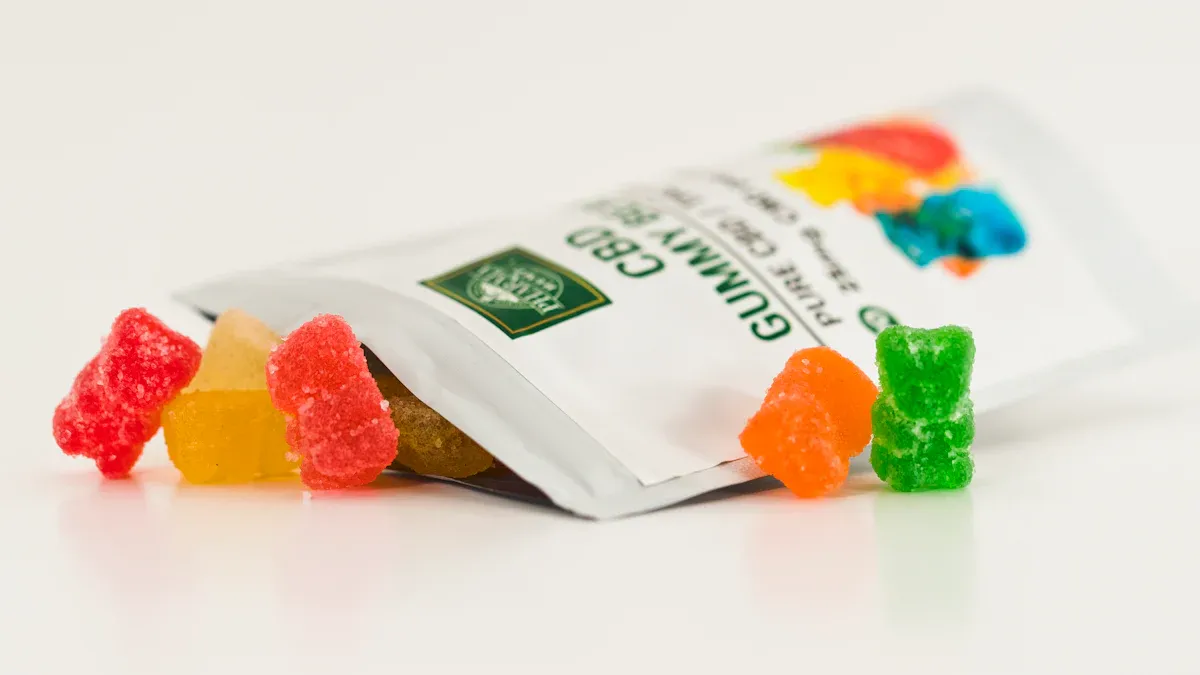
Choosing the best gummy packaging protects product freshness, attracts customers, and strengthens brand identity. Packaging must match the specific gummy type and use food-safe materials that prevent moisture and air from reaching the gummies. Eye-catching packaging style and features help products stand out on crowded shelves. Studies show that 72% of consumers say packaging design influences their buying choices, and many prefer transparent packaging for gummies. Key factors include packaging material, style, compliance with regulations, and logistics for safe transport. Effective gummy packaging supports both product quality and business growth.
Key Takeaways
- Choose packaging that protects gummies from moisture, air, and light to maintain freshness.
- Use eye-catching designs and clear labeling to attract customers and build brand recognition.
- Select the right packaging format, like bottles or pouches, based on the type of gummies you sell.
- Invest in reliable automated packaging solutions to improve efficiency and ensure consistent quality.
- Consider eco-friendly materials to appeal to environmentally conscious consumers.
Why Proper Gummy Packaging Matters for Brand Success?
Gummy packaging plays a key role in building a successful brand. It does much more than just hold the product. The right packaging for gummies protects the treats from moisture, air, and light. This keeps the gummies fresh and tasty for longer. When companies focus on packaging gummies with care, they show customers that quality matters.
A strong gummy packaging strategy can boost sales and help a brand stand out. Here are some ways packaging gummies can make a difference:
- Premium gummy packaging with bright colors and bold graphics catches the eye. This draws shoppers to the product and makes it more likely they will pick it up.
- Resealable pouches for packaging gummies add convenience. Customers can open and close the package many times, which keeps the gummies fresh. This feature also gives the product a premium feel.
- Clear windows in gummy packaging let people see the gummies before buying. This builds trust and helps shoppers feel confident about their choice.
- High-quality printing on gummy packaging allows brands to use unique designs and logos. This helps customers remember the brand and can attract new buyers.
Note: Gummy packaging is not just about looks. It also protects the product during shipping and storage. Good packaging for gummies prevents damage and keeps the product safe until it reaches the customer.
Companies that invest in the best packaging for gummies often see better results in stores. Gummy packaging can even help small brands compete with bigger names. When packaging gummies, brands should think about both function and style. The right gummy packaging solution can turn a simple treat into a must-have item. Choosing the right gummy packaging material and design is a smart way to build trust and grow a loyal customer base.
Step 1: Know the Types of Gummies You Want to Package
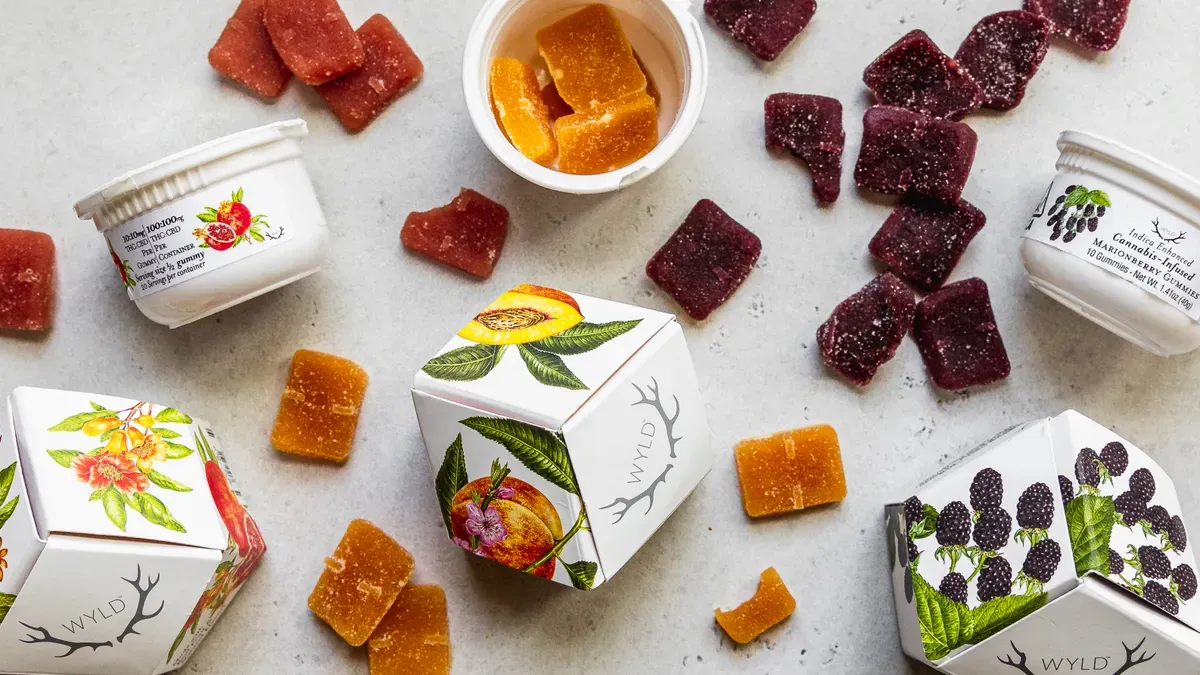
Choosing the right gummy packaging starts with understanding the types of gummies you plan to sell. Each type has unique needs for freshness, safety, and shelf appeal. The main types of gummies include vitamin gummies, CBD gummies, functional gummies, and candy gummies. Knowing these differences helps you select suitable packaging materials and formats for your product.
Vitamin Gummies
Vitamin gummies need special care during packaging. These gummies contain sensitive vitamins that can lose potency if exposed to air, moisture, or light. Airtight packaging is essential to protect the vitamins and keep the gummies fresh.
- Vitamin gummies are often packed in bottles and jars. These containers offer strong protection against contamination and environmental damage.
- Both plastic and glass bottles are popular. Plastic bottles are lightweight and less likely to break during shipping. Glass bottles provide a premium look and are recyclable, but they are heavier and can break more easily.
- Airtight seals are crucial. They keep out moisture and oxygen, which can degrade the vitamins and shorten shelf life.
- Proper storage, such as keeping bottles in a cool, dry place away from light, helps maintain the effectiveness of the gummies.
Pros and Cons of Common Packaging Materials for Vitamin Gummies:
| Material | Pros | Cons |
|---|---|---|
| Plastic Bottles | Lightweight, shatterproof, cost-effective | Less eco-friendly, limited barrier to light |
| Glass Bottles | Recyclable, premium appearance, good barrier | Heavy, breakable, higher shipping costs |
| Doypacks/Films | Flexible, resealable, good for branding | May offer less protection for vitamins |
Tip: Choose packaging for gummies that is airtight and blocks light to keep vitamin gummies potent and fresh.
CBD Gummies
CBD gummies require packaging that meets strict safety and legal standards. Many states have their own rules for packaging CBD products. Most require child-resistant and tamper-evident features to keep children safe and ensure product integrity.
| State | Key Regulations |
|---|---|
| California | Strict child-resistant packaging standards and product-specific labeling obligations. |
| Colorado | Detailed statutory language governing packaging, including opacity requirements and compliance statements. |
| New York | References child-resistant packaging aligned with federal PPPA testing standards; requires compliance documentation. |
| Florida | Mandates a scannable QR code linked to a certificate of analysis, along with batch identification and potency disclosure. |
| General | Child-resistant packaging is mandatory in most cannabis-regulated markets; tamper-evident features are widely expected. |
- Plastic bottles and doypacks are common for CBD gummies. Both can be made child-resistant and tamper-evident.
- Opaque packaging is often required to prevent children from seeing the gummies.
- Labels must include batch numbers, potency, and sometimes a QR code for lab results.
- Glass bottles offer a premium feel but may not always meet child-resistance standards unless designed specifically for that purpose.
Pros and Cons of Packaging Materials for CBD Gummies:
| Material | Pros | Cons |
|---|---|---|
| Plastic Bottles | Easy to make child-resistant, lightweight | Not always sustainable |
| Glass Bottles | Premium look, recyclable | Heavy, can break, may need extra features |
| Doypacks/Films | Flexible, easy to brand, can be child-resistant | May need extra layers for opacity |
Note: Always check local laws before choosing a gummy packaging solution for CBD gummies.
Functional Gummies
Functional gummies include products with added ingredients for health, such as probiotics or herbal extracts. These gummies need packaging that protects their active ingredients from moisture and oxygen.
| Feature | Description |
|---|---|
| High Barrier Protection | Prevents moisture and oxygen from degrading the product, keeping gummies fresh and flavorful. |
| Resealable Closures | Maintains freshness after opening, allowing for repeated use without compromising quality. |
| Tear-Notch Openings | Provides easy access to the product, enhancing user experience while ensuring product integrity. |
| Flexible Sizes and Formats | Offers various packaging options to suit different product needs, from single-serve to family sizes. |
- Doypacks and laminated films are popular for functional gummies. These materials offer high barrier protection and resealable features.
- Resealable closures help keep the gummies fresh after opening.
- Tear-notches make it easy for consumers to open the package without tools.
- Flexible packaging sizes allow brands to offer single-serve or bulk options.
Pros and Cons of Packaging Materials for Functional Gummies:
| Material | Pros | Cons |
|---|---|---|
| Laminated Films | Excellent barrier, lightweight, flexible sizes | Less rigid, may be harder to reseal |
| Doypacks | Resealable, good for branding, flexible formats | May cost more than simple films |
| Plastic Bottles | Rigid, easy to store, reusable | Less flexible for creative shapes |
Tip: High barrier packaging materials are key for preserving the benefits of functional gummies.
Candy Gummies
Candy gummies are the most common type found in stores. These gummies are often bought on impulse and enjoyed as snacks. Packaging for candy gummies must keep them fresh, protect their texture, and attract attention on the shelf.
- Popular formats include pouches with reclosable compartments, single-serve packs, and small travel packs. These formats make candy gummies easy to carry and share.
- The choice of packaging material affects freshness and texture. PET provides moderate protection, while aluminum foil laminates offer superior barriers against oxygen and light.
- Creative packaging shapes and bright designs help candy gummies stand out. Larger surface areas on pouches and doypacks allow for bold branding and fun graphics.
| Aspect | Functional Gummies | Candy Gummies |
|---|---|---|
| Flavor | Unique flavors | Traditional flavors |
| Texture | Innovative textures | Standard textures |
| Purchase Motivation | Focus on functional benefits | Impulse purchases |
| Brand Loyalty | Premium positioning and trust | Less emphasis on brand loyalty |
| Packaging Format | Creative shapes and formats | Standard packaging |
Pros and Cons of Packaging Materials for Candy Gummies:
| Material | Pros | Cons |
|---|---|---|
| PET | Moderate barrier, lightweight, cost-effective | Less protection than foil |
| Aluminum Foil Films | Superior barrier, keeps gummies fresh | Higher cost, less eco-friendly |
| Doypacks | Large branding area, resealable, portable | May be more expensive |
Tip: For packing gummy bears, choose packaging that balances freshness, convenience, and shelf appeal.
Sustainability and Branding Surface Area
Sustainability is a growing concern in gummy packaging. Glass bottles and some plastics are recyclable, but flexible films and doypacks may be harder to recycle. Brands can choose biodegradable films or recycled plastics to reduce environmental impact.
Branding surface area matters too. Doypacks and pouches offer more space for graphics, logos, and product information. Bottles have less space but can use wrap-around labels for branding.
When selecting suitable packaging materials, consider the type of gummies, the need for freshness, and your brand’s values. The right packaging materials help keep gummies safe, fresh, and appealing to customers.
Step 2: Choose the Right Gummy Packaging Format and Material
Selecting the right gummy packaging format and material is essential for product protection, shelf appeal, and brand recognition. The packaging style you choose can influence how consumers view your product and whether they decide to buy it.
Common Gummy Packaging Formats
Bottle packaging
Bottle packaging is popular for vitamin and supplement gummies. It offers strong protection and is easy to store and transport. Bottles provide a stable shape and can be sealed tightly to keep gummies fresh. They also allow for wrap-around labels, which help with branding and product information.
Pouch packaging
Pouch packaging is flexible and lightweight. It is often used for candy gummies and functional gummies. Pouches can be resealable, making them convenient for customers. The large surface area gives brands space for colorful graphics, fun fonts, and storytelling. This packaging style stands out on shelves and attracts attention.
Sachet packaging
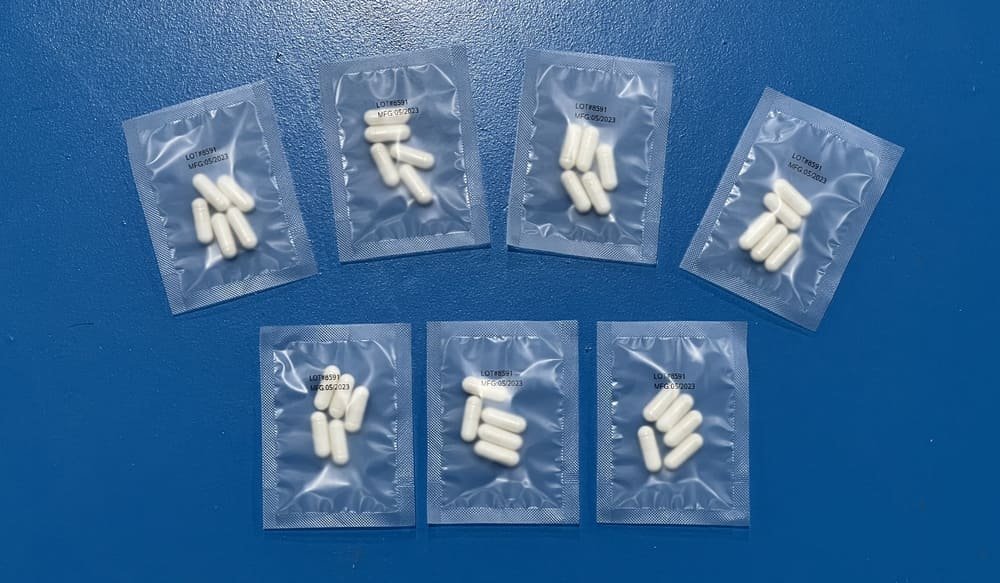
Sachet packaging is ideal for single-serve or sample sizes. It is compact and easy to carry. Sachets are often used for promotional packs or travel-friendly options. They keep gummies fresh and are cost-effective for small portions.
| Packaging Format | Description |
|---|---|
| Shaped Pouch | Customizable, eye-catching, but higher production costs. |
| Box Packaging | Neat stacking, good for premium products. |
| Jar/Bottle Packaging | Common for vitamin gummies, stable, and easy to use. |
| Blister Packaging | Precise dosing, individual sealing for hygiene. |
Common Packaging Materials
PET/HDPE bottles
PET and HDPE bottles are widely used in gummy packaging. PET is cost-effective and lightweight, while HDPE offers extra durability. Both materials are recyclable, making them a good choice for brands focused on sustainability.
Aluminum foil films
Aluminum foil films provide a strong barrier against moisture, air, and light. They help extend shelf life and keep gummies fresh. This material is often used for high-end or sensitive products but comes with higher costs.
Laminated films
Laminated films combine several layers for strength and protection. They are flexible and can be printed with bright colors and bold fonts. Laminated films are used in pouches and sachets, offering both visual appeal and product safety.
| Material Type | Key Features | Environmental Impact |
|---|---|---|
| Recyclable Plastic Films | High-barrier, designed for recycling. | Reduces waste. |
| Compostable Films | Plant-based, good for short shelf life. | Biodegradable. |
| Paper-Based Laminates | FSC-certified, sustainable sourcing. | Recyclable. |
| Bio-Based Films | Made from renewable resources. | Lowers carbon footprint. |
Tip: Graphics, easy-to-read fonts, and unique packaging style help your gummy packaging stand out. Color and design elements can signal flavor and attract your target audience.
Step 3: Select a Suitable Gummy Packaging Machine
Choosing the right gummy packaging machine is a key step in the gummy packaging process. The machine you select affects product quality, production speed, and overall efficiency. Different types of gummy packaging machines suit different production needs and gummy types. Understanding these options helps you find the best packaging for gummies.
Types of Gummy Packaging Machines
Automatic gummy counting machine
An automatic gummy counting machine counts gummies quickly and accurately. This machine is important for packaging for gummies that require precise amounts, such as vitamin gummies or gummy bears packaging. It reduces errors and saves time compared to manual counting.
Bottle filling and capping machine
A bottle filling and capping machine fills bottles with gummies and seals them. This machine works well for gummy packaging material like PET or glass bottles. It ensures each bottle has the correct number of gummies and keeps them fresh during storage.
Pouch packaging machine
A pouch packaging machine fills pouches with gummies and seals them. This machine is ideal for flexible gummy candy packaging formats like doypacks or sachets. It allows for creative shapes and sizes, making the gummy package attractive and easy to use.
Complete gummy packaging line
A complete gummy packaging line combines several machines. It automates counting, filling, sealing, and labeling. This solution is best for large-scale production and helps maintain consistent quality in the gummy packaging process.
| Machine Type | Advantages |
|---|---|
| Vertical Packing Machines | Automatically form fill seals; suitable for startups. |
| Vertical Packing Machine with Vibrating Plate | Improves counting and feeding of small or sticky gummies, preventing jams. |
| Mini Doypack Machine | Compact, low cost, easy to operate for startups. |
| Horizontal pouch packing machine | Can feed single or double bags simultaneously, improving speed and efficiency. |
| Rotary Packing Machine | High-speed option with multiple stations for filling and sealing several bags at once. |
| Bottles/Cans Filling Machine | Weighs and fills gummies into bottles or cans. |
| Bottles Filling Capping Labeling Line | Automates weighing, filling, capping, and labeling. |
| Cans Filling Seaming Labeling Line | Ideal for canned gummies. |
| Bottles/Cans Counting Filling Machine | Counts and fills exact gummies into bottles or cans. |
| Bottles/Cans Counting Filling Line | Fully automates counting, filling, capping/seaming, and labeling. |
How to Select a Gummy Packaging Machine?
Selecting a gummy packaging machine depends on several factors. You must consider production needs, gummy type, cost, supplier reputation, and scalability. The right machine supports efficient gummy packaging and adapts to future growth.
| Factor | Description |
|---|---|
| Production Needs | Assess the specific requirements based on the scale of production. |
| Type of Gummies | Different types of gummies may require different packaging solutions. |
| Cost | Evaluate the total cost of ownership, including installation, maintenance, and operational efficiency. |
| Supplier Reputation | Research suppliers for reliability and support services to ensure smooth installation and training. |
| Scalability | Choose machines that can adapt to future production needs without complete replacement. |
Automation in gummy packaging machines increases speed and reduces labor costs. It also ensures consistent quality and streamlines workflow. This is important for maintaining product freshness and safe storage.
| Aspect | Impact on Production Efficiency | Impact on Labor Costs |
|---|---|---|
| Speed | Increases throughput significantly | Reduces need for manual labor |
| Quality Maintenance | Ensures consistent product quality | Lowers costs associated with errors |
| Workflow Integration | Streamlines operations | Minimizes labor hours required |
Tip: Always match your gummy packaging machine to your production scale and gummy type. This helps you achieve the best results in gummy packaging and storage.
Step 4: Understand the Gummy Packaging Process
The gummy packaging process involves several steps that help maintain product quality and efficiency. Each stage plays a role in protecting gummies from moisture and ensuring they reach customers in the best condition. Choosing the right gummy packaging machine for each step can improve speed and accuracy.
Gummy feeding
The packaging process begins with gummy feeding. Gummies move from the production line into the gummy packaging machine. This step requires gentle handling to prevent damage or sticking. Feeding systems often use rails or conveyors to guide gummies smoothly. Consistent feeding helps maintain the pace of the processes and reduces waste.
Counting and filling
Next, the counting and filling stage ensures each package contains the correct number of gummies. A gummy counting machine or automated filler measures precise amounts. This step is important for both quality control and customer satisfaction. Accurate filling prevents shortages or overfilling, which can affect shelf life and packaging costs. The packaging process at this stage also helps limit exposure to air and moisture.
Sealing
Sealing is a critical part of gummy packaging. Once filled, packages are sealed to block out moisture and air. This step preserves freshness and extends shelf life. Sealing methods vary by packaging material, such as heat sealing for pouches or capping for bottles. Proper sealing prevents contamination and keeps gummies safe during storage and transport.
Labeling
Labeling is the final step in the packaging process. Labels provide important information, including flavor, ingredients, and storage instructions. Clear labeling helps customers make informed choices and supports brand recognition. Automated labeling machines can apply labels quickly and accurately, improving efficiency.
Tip: The right gummy packaging machine at each stage increases efficiency and reduces errors. Automation also helps maintain consistent quality.
Best Practices for Storage and Transportation
Proper storage and shipping protect gummies from moisture and temperature changes. The table below shows best practices for maintaining product quality:
| Step | Best Practice |
|---|---|
| Storage Temperature | Maintain between 60°F to 70°F |
| Humidity Level | Keep under 50% humidity |
| Packaging Material | Use airtight or foil-lined bags |
| Shipping Prep | Seal bags, add bubble wrap, and label boxes |
| Warm Weather Shipping | Utilize cold packs and insulated boxes |
| Labeling | Include flavor, ingredients, and storage info |
Following these guidelines helps prevent moisture damage and keeps gummies fresh from the factory to the customer. Proper storage and careful shipping are essential parts of the gummy packaging process.
Step 5: Ensure Quality Control for Packaged Gummies
Quality control is essential in gummy packaging. It helps brands deliver safe, fresh, and consistent products. Each step in the process protects gummies from moisture sensitivity and temperature sensitivity, while also meeting regulatory standards.
Accurate gummy counting
Accurate counting is vital for both compliance and consumer trust. Gummy counting machines use advanced sensors to ensure each package contains the correct number of gummies. This precision supports labeling requirements and reduces the risk of recalls or complaints. Customers receive exactly what they expect, which builds loyalty and confidence.
- Gummy counting machines minimize human error.
- Precise counts help brands meet regulations.
- Accurate packaging for gummies increases trust and satisfaction.
Seal inspection
Seal inspection prevents contamination and preserves freshness. Modern gummy packaging lines use several technologies to check seals and package integrity.
| Technology Type | Description |
|---|---|
| Metal Detectors | Detects unwanted materials in packaged goods. |
| X-ray Inspection Systems | Finds foreign objects and checks package integrity. |
| Checkweighers | Verifies correct weight to avoid underfilled or overfilled packages. |
| Vision Inspection Systems | Confirms label placement and compliance with standards. |
Packaging appearance
High-quality packaging must look appealing and professional. Brands inspect each gummy package for clear labels, vibrant colors, and proper branding. Premium packaging attracts buyers and supports brand reputation. Consistent appearance signals quality and reliability.
Moisture protection
Moisture protection is critical for gummies. Protective packaging materials like aluminum foil and high-barrier films keep gummies fresh and flavorful.
| Material | Moisture Protection Properties |
|---|---|
| Aluminum Foil | Excellent barrier against moisture and contaminants. |
| High-Barrier Films | Shields against moisture, oxygen, and heat. |
| Other Materials | Limited resistance, not ideal for long-term storage. |
Shelf-life testing
Shelf-life testing ensures gummies stay fresh until the expiration date. Brands test packaging for gummies under different conditions to check for changes in taste, texture, and safety. Efficient packaging processes and regular testing help maintain product quality and meet customer expectations.
Tip: Quality control in gummy packaging protects your brand and keeps customers happy.
Conclusion: Choose the Right Gummy Packaging Solution for Your Business
Selecting the best packaging for gummies is a critical step for any business aiming for product quality and brand growth. The right gummy packaging solution protects your gummies from moisture, air, and light, while also making your product stand out on the shelf. Each type of gummy—whether vitamin, CBD, functional, or candy—has unique needs. Understanding these needs helps you choose the most suitable gummy packaging material and format.
Before finalizing your packaging, assess the specific risks your gummies face. For example, moisture can spoil dehydrated gummies, while oxygen can reduce the potency of vitamin gummies. A targeted barrier system, such as high-barrier films or airtight bottles, can protect your product without adding unnecessary costs. This careful risk assessment ensures your packaging for gummies is both effective and efficient.
Functionality and visual appeal should guide your decision. Durable packaging, like bottles or pouches, withstands shipping and handling. Bright colors, creative fonts, and engaging designs on your gummy package attract consumers and build brand loyalty. Eco-friendly options, such as recyclable bottles or biodegradable films, appeal to environmentally conscious buyers and support your brand’s values.
Tip: Always match your gummy packaging machine and materials to your product’s needs and your production scale. This ensures efficiency and consistent quality.
To measure the effectiveness of your current gummy packaging strategies, consider the following aspects:
| Aspect | Description |
|---|---|
| Waste Monitoring | Track wasted packaging materials to identify inefficiencies. |
| Cost Assessment | Review packaging expenses to find areas for cost savings. |
| Design Innovation | Use creative designs to reduce waste and improve packaging efficiency. |
Use these steps as a checklist when reviewing your gummy packaging process. Evaluate your current gummy candy packaging or consult with candy packaging manufacturers for improvement. The right choices in gummy packaging, machines, and materials will help your business deliver safe, fresh, and appealing gummies every time.
Choosing the best gummy packaging involves several important steps. Start by matching packaging to the gummy type and market needs. Use food safe candy packaging to protect freshness and quality. Select the right gummy packaging material and format for shelf appeal. Invest in a reliable gummy packaging machine to improve efficiency. Follow the gummy packaging process for accurate gummy counting and sealing. Check quality control to ensure every gummy package meets standards. Review your current gummy candy packaging and consult candy packaging manufacturers for improvement. Use the checklist below to guide your decisions.
| Key Takeaway | Description |
|---|---|
| Choosing the Right Manufacturer | Find a partner who understands your vision for gummy packaging solution and distribution. |
| Ensuring Sustainability | Eco-friendly gummy bear wrapper and biodegradable options matter to consumers. |
| Embracing Innovation | Creative gummy bears packaging and innovative designs help products stand out. |
Tip: The best packaging for gummies protects your product and supports your brand.
FAQ
What is the best packaging for gummies?
The best packaging for gummies depends on the gummy type and shelf-life needs. Airtight bottles, resealable pouches, and laminated films protect freshness. Choose food safe candy packaging to prevent moisture and contamination.
How does a gummy packaging machine work?
A gummy packaging machine counts, fills, seals, and labels gummies. Automatic machines improve speed and accuracy. Gummy counting machines ensure each package contains the correct number of gummies.
Why is moisture protection important in gummy packaging?
Moisture protection keeps gummies soft and flavorful. High-barrier gummy packaging material, like aluminum foil or laminated films, prevents spoilage. Proper packaging for gummies extends shelf life and maintains quality.
Can gummy packaging be eco-friendly?
Yes! Brands can use recyclable bottles, biodegradable films, or compostable gummy bear wrappers. Eco-friendly gummy packaging solutions appeal to consumers and reduce environmental impact.
How do I choose a candy packaging manufacturer?
Look for candy packaging manufacturers with experience in food safe candy packaging. Ask about custom gummy packaging solutions, machine options, and compliance with regulations. Reliable partners help you package gummies efficiently.