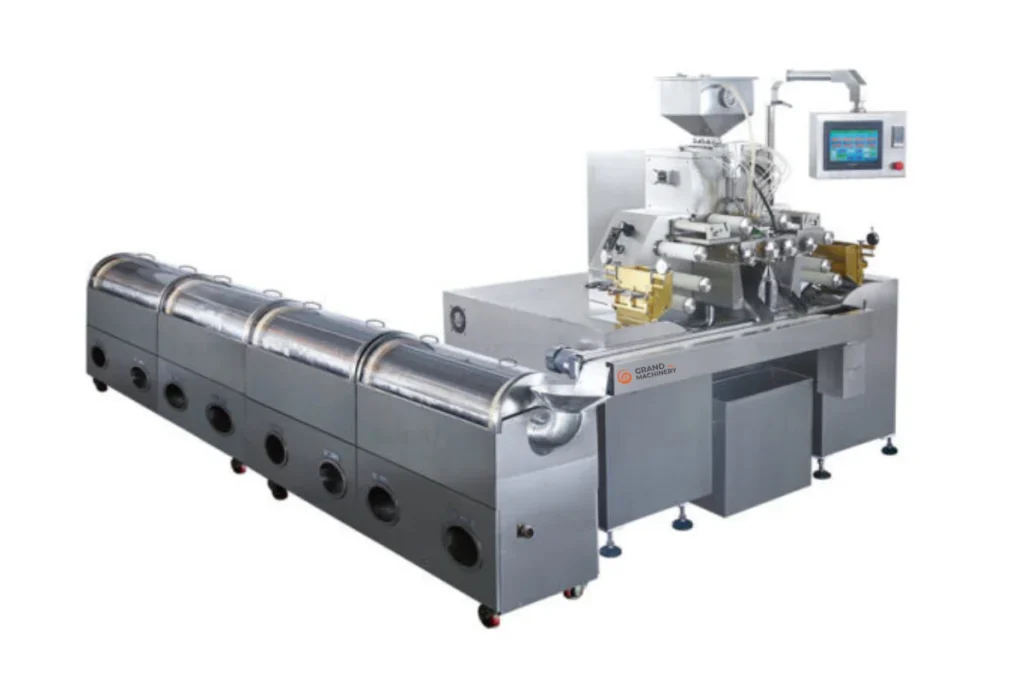
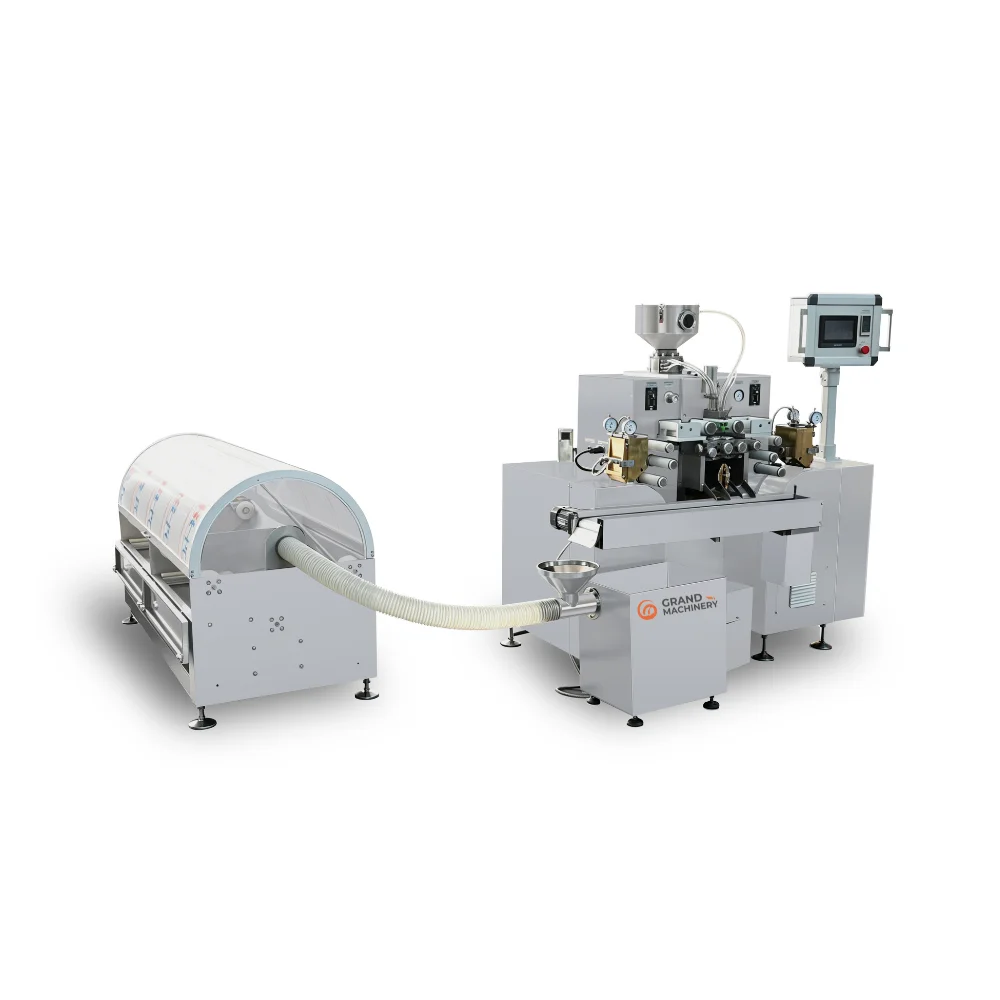
High-Performance Softgel Encapsulation Solutions
Grand automated softgel production lines set a technical benchmark for the food, pharmaceutical, and nutraceutical industries. Integrating decades of engineering expertise with cutting-edge global technology and two proprietary innovations, our systems are nationally certified and carry the EU CE mark. Designed to meet the most rigorous international standards, our equipment is your trusted partner for high-quality softgel manufacturing.
Integrated Equipment in Softgel Production Lines
Below are some key individual machines in our soft capsule production line solution, which can be reasonably determined based on your production requirements and budget.
Softgel Line Step 1: Gelatin Preparation
Below are some key individual machines in our soft capsule production line solution, which can be reasonably determined based on your production requirements and budget.
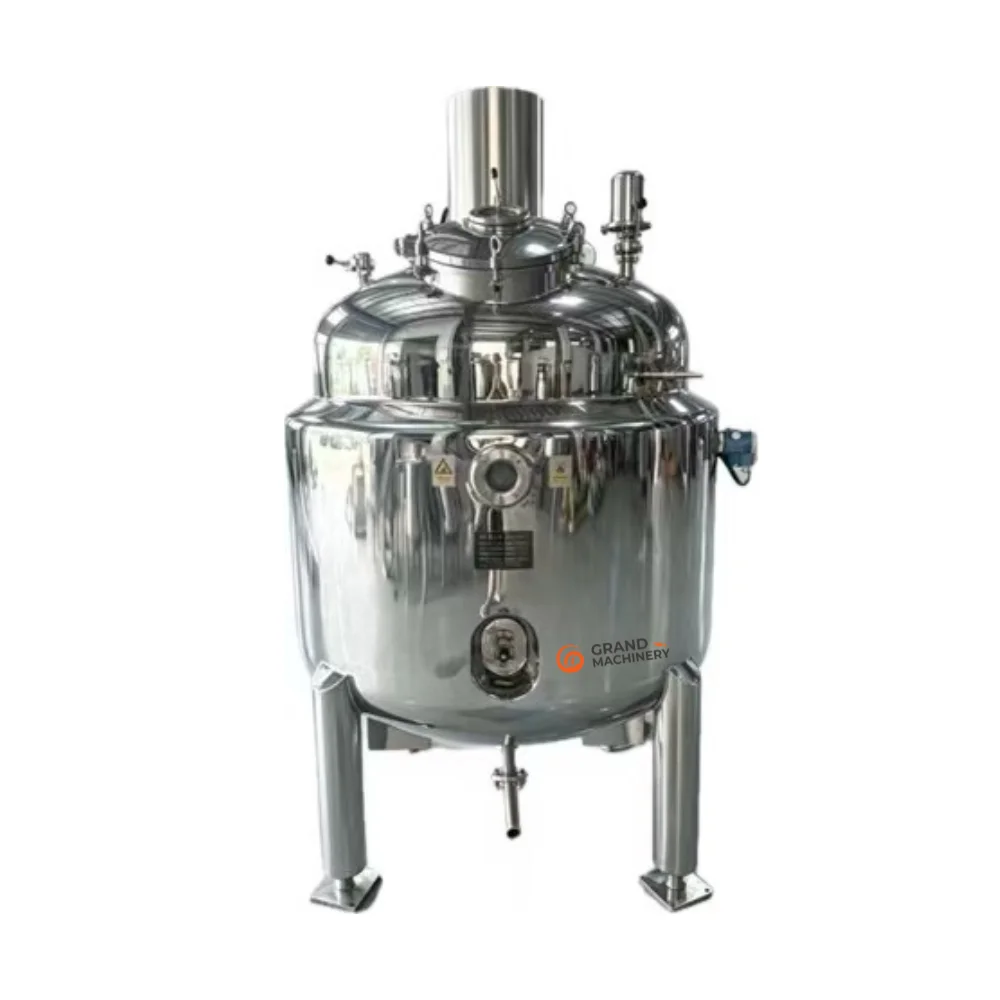
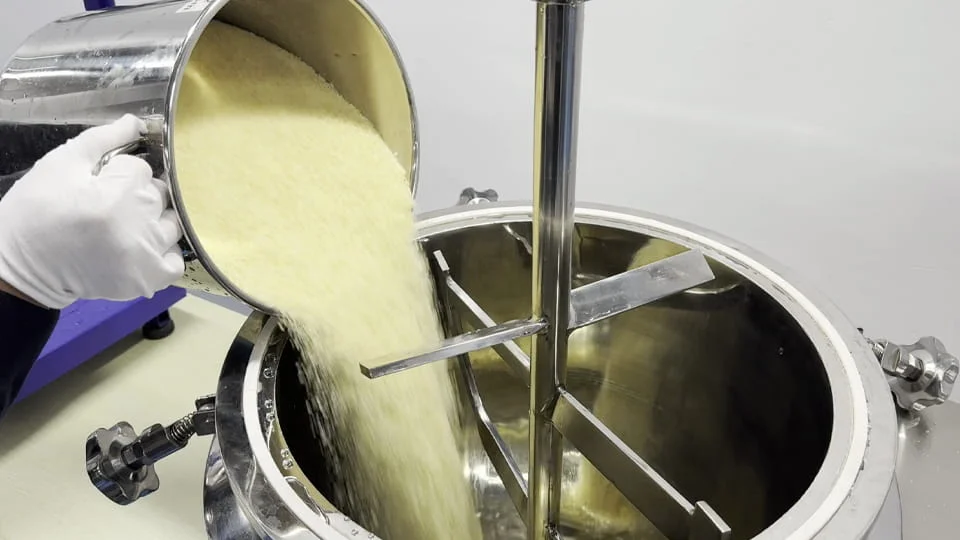
This is the primary stage of gelatin preparation. It utilizes vacuum agitation and precise thermostatic heating to blend solid gelatin, glycerin, and water, ensuring a homogeneous and bubble-free gelatin solution.
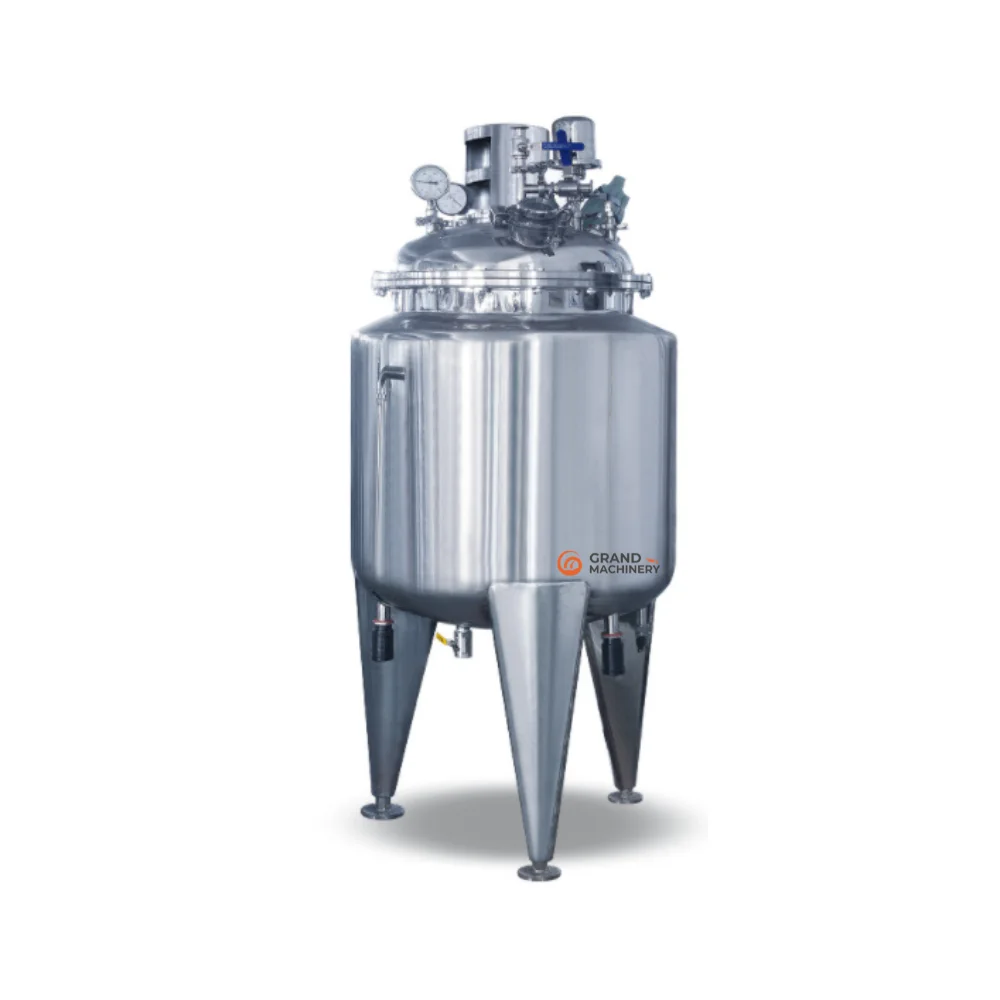
Designed for storing molten gelatin. Equipped with a precise temperature control system, it ensures the gelatin remains at the optimal temperature and viscosity before being transferred to the encapsulation machine.
Serving as the bridge between the melting tanks, storage tanks, and the encapsulation machine, this pump ensures the stable and continuous delivery of the prepared, heated gelatin solution to the main encapsulation unit.
Designed for storing molten gelatin. Equipped with a precise temperature control system, it ensures the gelatin remains at the optimal temperature and viscosity before being transferred to the encapsulation machine.
Softgel Line Step 2: Fill Material Preparation
Formulate the softgel contents, such as: Fish oil, DHA, CBD Oil, Vitamins, Traditional Chinese medicine extracts, Nutritional and health-promoting oils.
Mix the raw materials evenly, emulsify, and defoam.
A fundamental mixing unit designed to blend various drug ingredients, oil-based carriers, or excipients according to the formulation, providing a homogenous initial mixture for subsequent processing.
A critical device for handling difficult-to-mix ingredients. It performs high-shear emulsification under vacuum to eliminate air bubbles and enhance drug stability, ensuring superior fineness and uniformity of the liquid medicine.
Utilizes high-pressure homogenization to further refine and evenly distribute particles within the liquid. This ensures batch-to-batch consistency and prevents phase separation or settling during downstream processing.
Used for holding the prepared medicine before it is pumped into the encapsulation machine. Usually equipped with heating and circulation features to maintain the optimal physical state of the liquid while it awaits filling.
Softgel Line Step 3: Gelatin Ribbon Forming
This step involves passing liquid gelatin through a cooling roller to form two continuous gelatin ribbons.This is a crucial step before soft capsule formation.
A critical cooling component of the encapsulation machine. It utilizes internal chilled water circulation to instantly cool the molten gelatin into a gel ribbon with the necessary strength and elasticity.
The thickness control center for ribbon formation. It precisely regulates the flow of gelatin to ensure the resulting ribbon on the cooling drum is uniform and consistent, directly influencing the quality of the formed capsules.
Delivers the solidified gelatin ribbon smoothly and under zero tension to the die roller area. It ensures the ribbon remains flat and perfectly positioned upon entering the molds, preventing wrinkles or breakage.
Softgel Line Step 4: Softgel Encapsulation
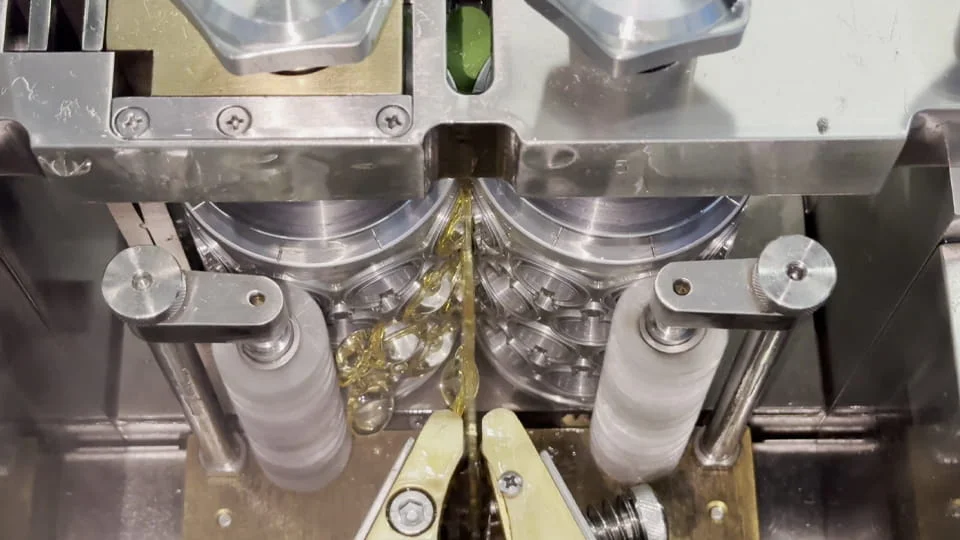
This step is the core production process for soft capsules. The two layers of rubber on the left and right sides enter the die roll, and the filler is injected and completed simultaneously: filling, sealing, trimming, and shaping are all done in one go.
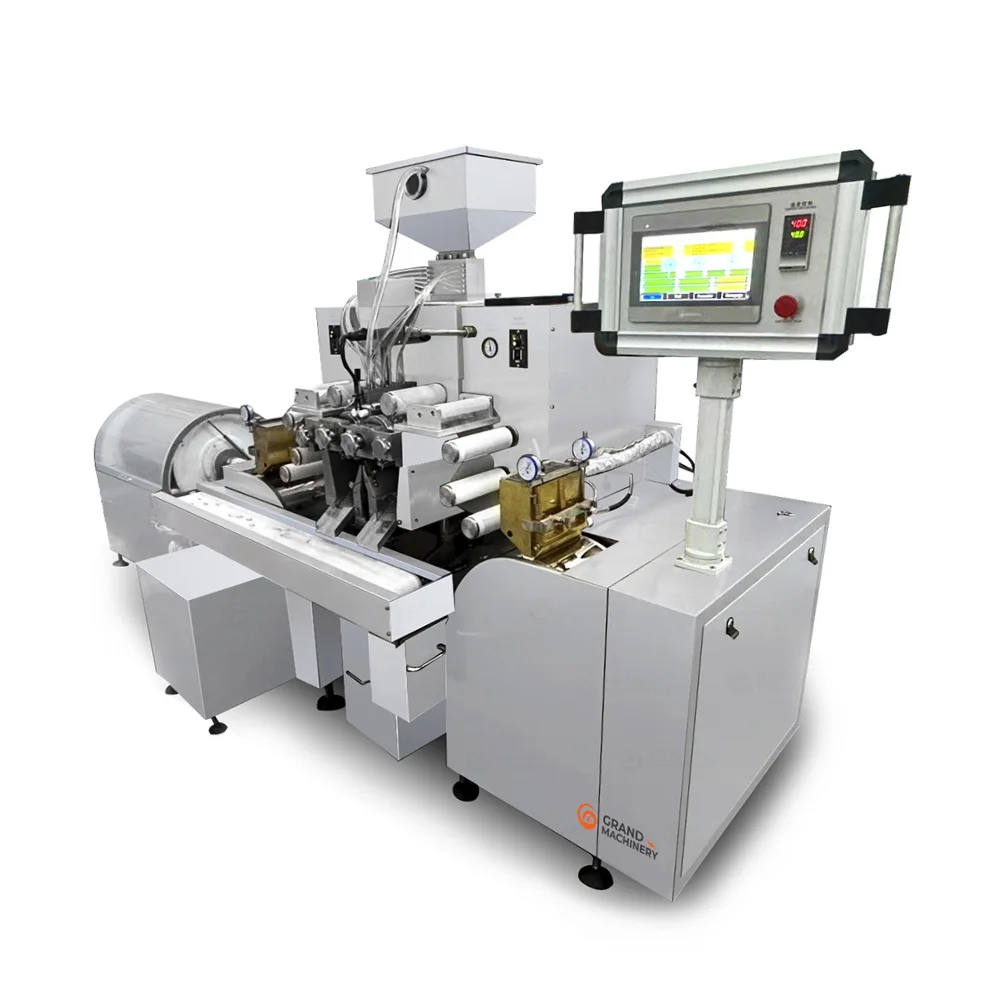
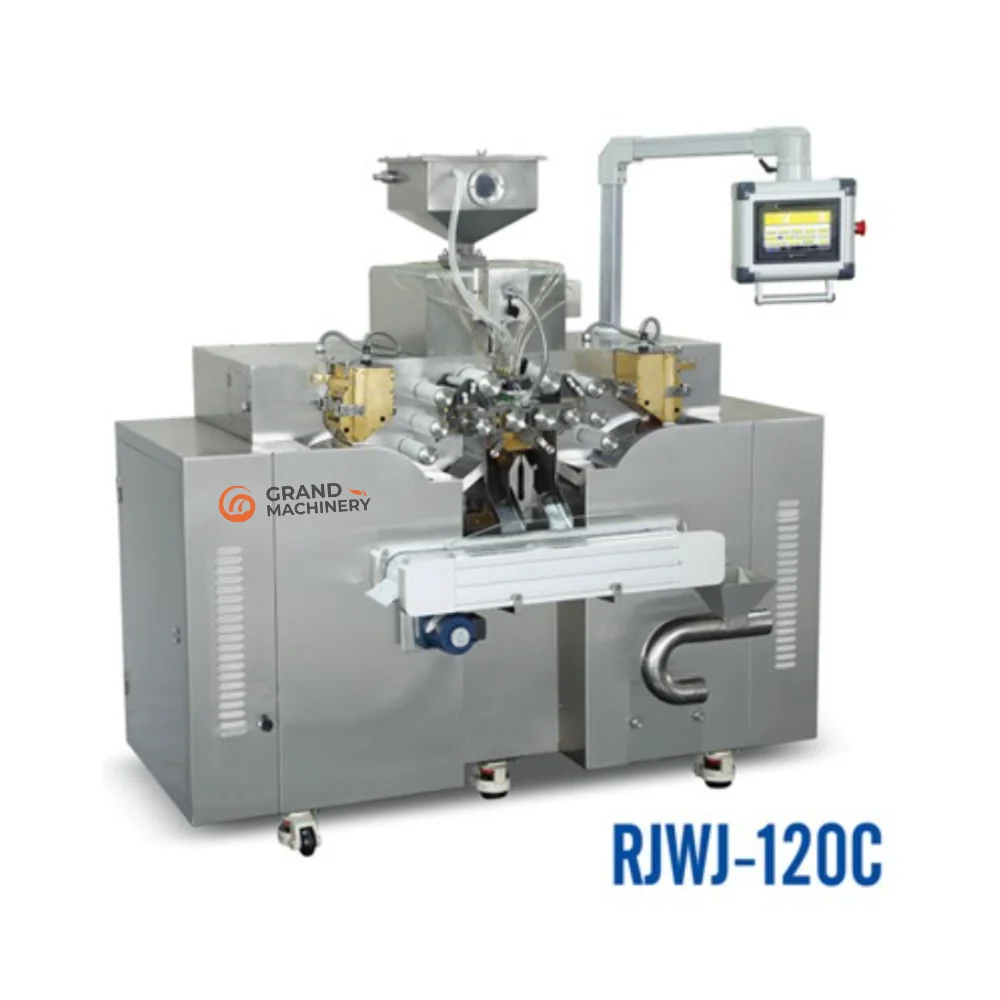
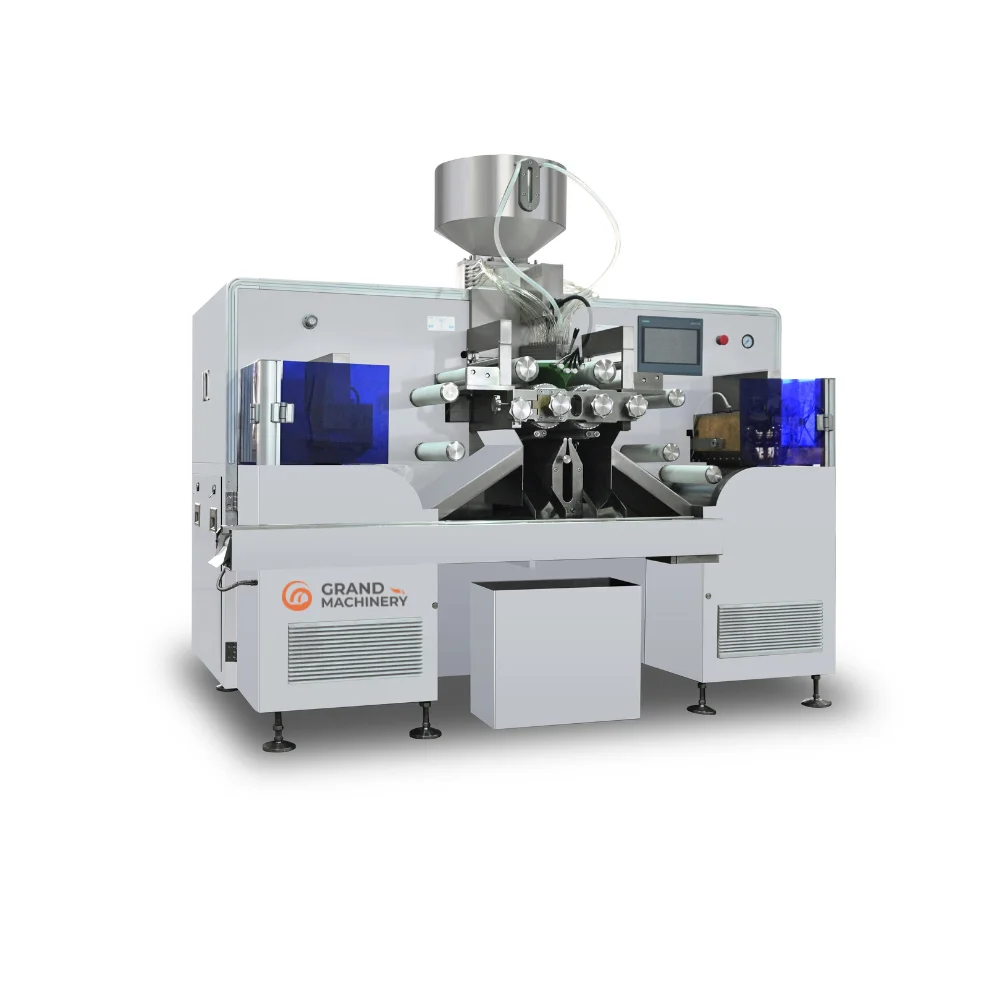
The core unit of the softgel production line. It synchronizes the feeding of two gelatin ribbons and a measured dosage of medicine, performing the compression, sealing, and cutting processes simultaneously to complete the integrated formation of softgels.
The precision die set within the encapsulation machine that determines the final shape, size, and pattern of the softgel. The rotation of these matched die rollers is critical for achieving precise capsule geometry.
The reservoir that stores and supplies the medicine to the injection system. It connects to the injection wedge via a pump, ensuring a constant, pressurized supply of medicine throughout the production process.
Softgel Line Step 5: Softgel Drying
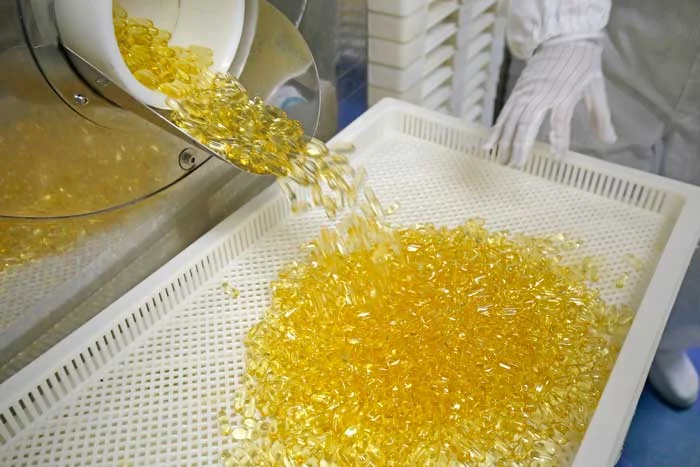
Freshly pressed soft capsules have a high moisture content and require rapid shaping. Preliminary drying is performed using a drum dryer. The initially dried soft capsules undergo further dehydration to achieve the final standard moisture content. This step typically takes 24-72 hours and can be done entirely using tunnel drying, or a combination of tunnel drying and tray air drying.
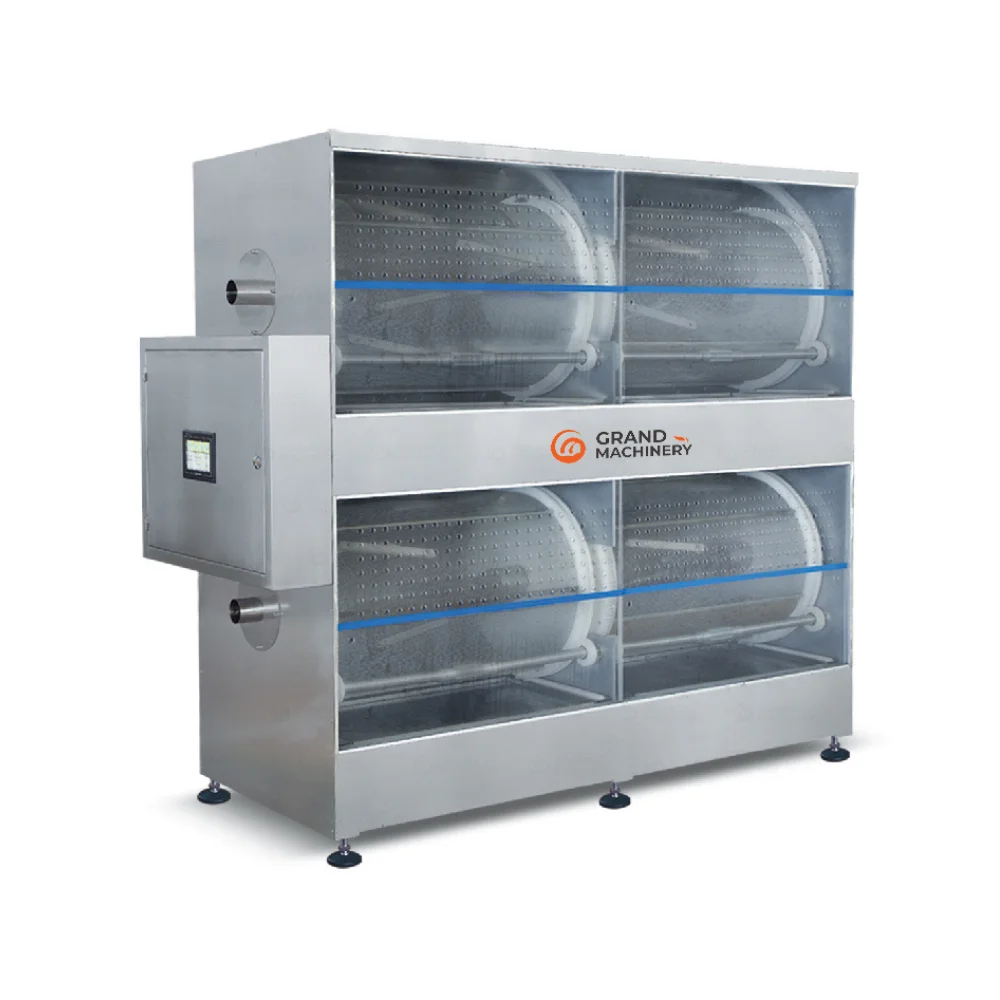
A critical device for the initial shaping of softgels. By rotating at a constant speed while exposing the capsules to temperature-controlled drying air, it removes surface moisture to set and harden the capsule shells, preventing them from sticking together.
Used for holding semi-set softgels. Their design allows for efficient stacking, ensuring uniform airflow around the capsules during static drying to prevent deformation or damage.
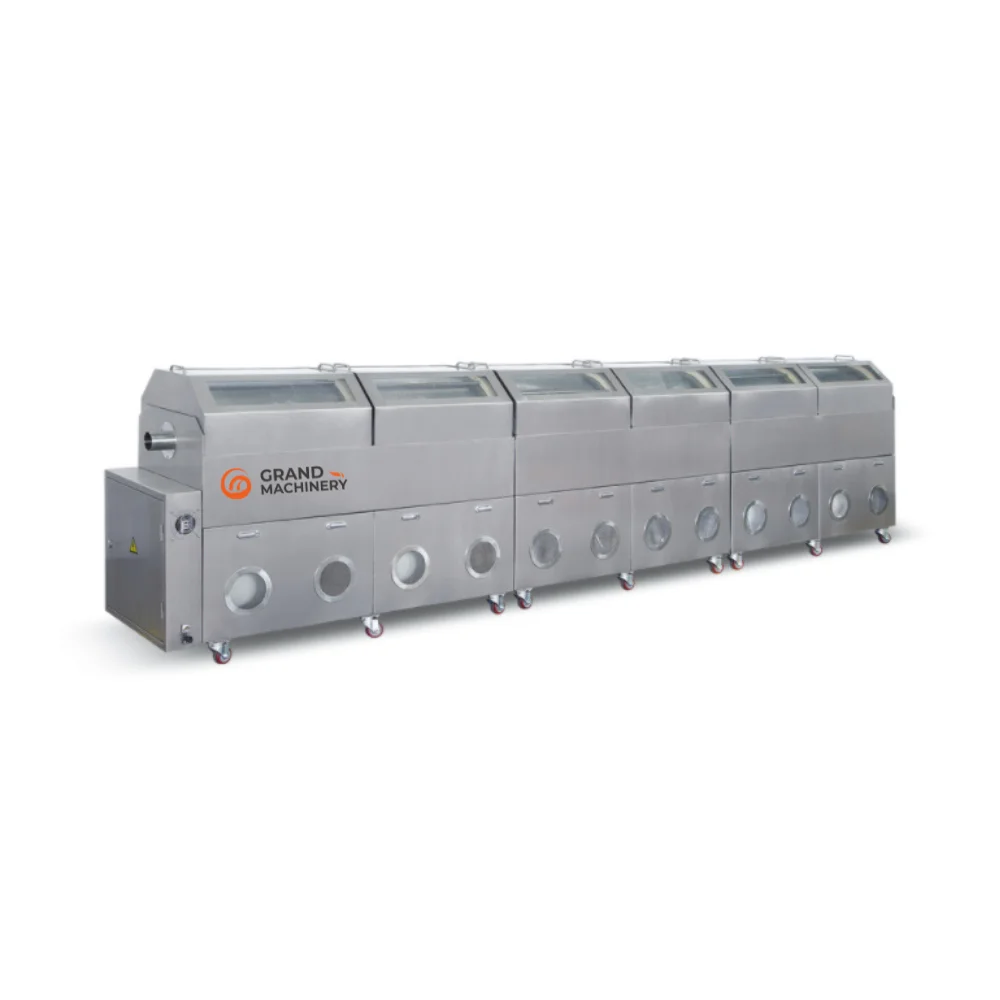
An automated continuous drying passage. By housing multiple trays filled with capsules, it utilizes directional temperature-controlled airflow to achieve large-scale, high-efficiency batch dehydration.
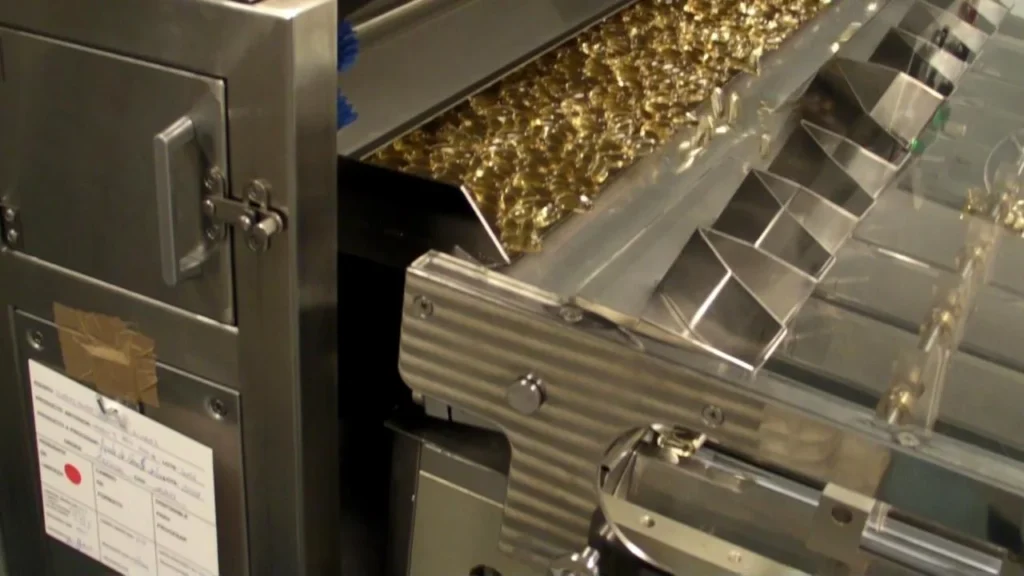
Serves as the logistical link between the encapsulation machine and the tumble dryers, or between the drying and sorting/packaging stages, ensuring the smooth and efficient transfer of capsules between different process phases.
Softgel Line Step 6: Inspection & Sorting
This step checks whether the produced capsules have any defects such as leakage, deformation, abnormal weight, or abnormal size, and identifies unqualified products.
Utilizes high-resolution vision inspection technology to automatically reject softgels with visual defects such as air bubbles, cracks, deformations, or contaminants, ensuring only flawless products proceed to packaging.
Automatically sorts capsules based on pre-set specifications for size, weight, or shape, ensuring that softgels within the same batch are highly uniform and comply with strict quality grade standards.
Acts as a vital safety checkpoint in the production line. Using highly sensitive electromagnetic sensors, it detects and rejects even the smallest metallic contaminants, strictly ensuring consumer safety.
Monitors the weight of each individual softgel with high precision. It automatically filters out any capsules that fall outside the weight tolerance due to under-filling or over-filling, ensuring high dosage accuracy for every unit.
Softgel Line Step 7: Polishing & Printing
Removes residual grease from the surface, improving the appearance quality. Brand clients typically require: logo, product code, and batch number.
Designed to remove residual powder or trace surface oils that may accumulate during the drying and transport stages. It polishes the capsule shells, leaving them clean, bright, and smooth, which significantly enhances the overall product aesthetics and quality perception.
A precision machine used for printing logos, text, or brand patterns directly onto the surface of softgels. It not only enhances brand presentation but also adds essential anti-counterfeiting security, ensuring product traceability and brand recognition.
Softgel Line Step 8: Packaging Line
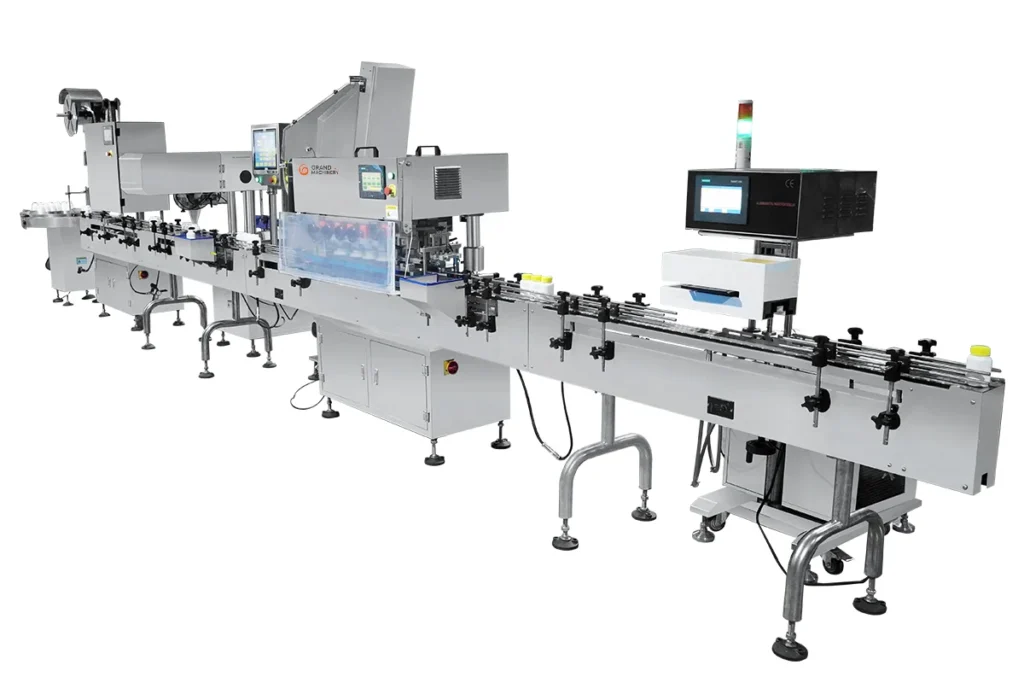
Final packaging for the produced softgel capsules. Depending on market demand, options include: bottled, blister pack, and bagged packaging.
Utilizes photoelectric or high-speed vision counting technology to accurately count and dispense softgels into bottles, ensuring each container meets the exact pre-set dosage quantity.
The core of the packaging line, responsible for smoothly feeding the counted capsules into bottles while ensuring no damage occurs to the capsule surface during transfer.
Automatically inserts desiccant packets or canisters into bottles before capping. This absorbs residual moisture within the bottle, effectively preventing the softgels from deteriorating or absorbing humidity throughout their shelf life.
Automatically picks and precisely secures bottle caps to ensure reliable sealing. Its torque control feature prevents overtightening (which could damage the bottle) or undertightening (which could compromise the seal).
Uses electromagnetic induction to heat-seal aluminum foil liners onto the bottle rim. This provides a physical barrier that is moisture-proof, leak-proof, and tamper-evident for added security.
Applies labels smoothly to bottle bodies or cartons. It supports round-bottle or multi-side labeling, ensuring consistent placement and clear, readable product information.
Packages softgels into blister packs (Alu-PVC or Alu-Alu). This provides superior single-unit sealing and light protection, making it the most common packaging format for pharmaceutical-grade softgels.
Automatically inserts filled bottles or blister packs along with product leaflets into cardboard cartons, creating the final retail-ready packaging unit.
The final stage of the packaging line. It automatically packs cartoned products into shipping cases according to pre-set configurations, readying them for logistics and distribution.
Contact Now!
Consult Our Experts For Tailored Advice.
Let’s build your ideal production line together. Contact our expert team today for one-on-one professional consultation regarding your equipment requirements.
Why Choose Grand Softgel Solutions
Customization Service
Grand offers flexible softgel production solutions, customized to your specific product properties, gelatin formulas, mold requirements, and capacity targets, ensuring a perfect fit for your production line.
Advanced Automation
From gelatin melting to encapsulation, all production steps are highly automated, significantly reducing the need for manual intervention, effectively controlling costs, and enhancing yield rates.
Versatile Industry Application
Grand is designed not only for the pharmaceutical industry but also for nutraceuticals and functional foods, providing optimal solutions regardless of your unique formulation.
Full-Cycle Technical Support
For large-scale production lines, we arrange on-site installation and commissioning, while providing comprehensive technical training to ensure your team achieves efficient and stable operations.
Integrated Turnkey Solutions
Beyond core encapsulation, we provide a complete suite of drying, inspection, and packaging equipment, eliminating the need for multiple vendors and simplifying your procurement and project management.
Strict Quality Compliance
All our equipment is designed in strict accordance with GMP and international industry standards, ensuring your products meet the highest global quality benchmarks for competitive advantage in the global market.
Softgel Line Application Industries
Soft capsules have a wide range of applications in many high-value-added fields due to their excellent bioavailability and appearance.Regardless of your formulation, Grand Equip provides tailored encapsulation solutions for every industry.
- Nutraceuticals
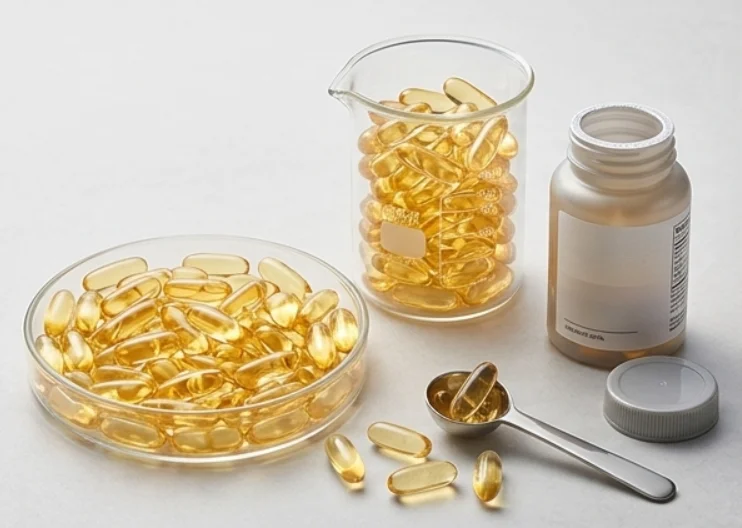
Widely utilized for the large-scale encapsulation of fish oil, vitamins, mineral supplements, and various botanical extracts.
- Functional Foods
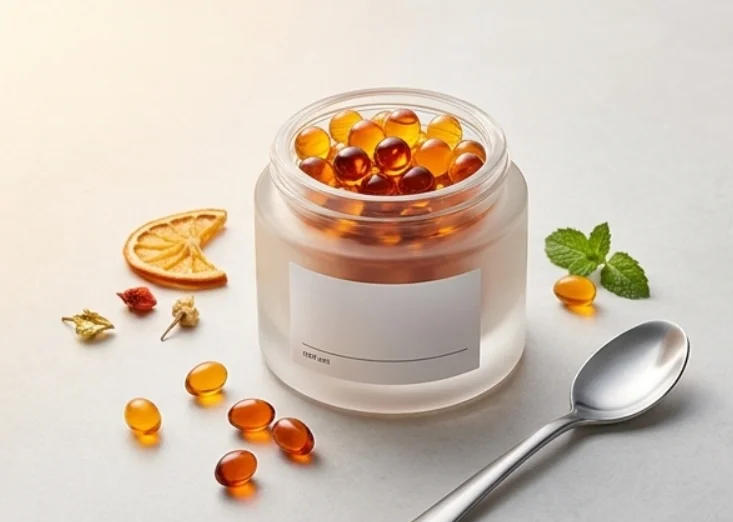
Empowering innovation by encapsulating active-ingredient-rich beauty supplements, energy boosters, and other novel nutritional products.
- Cosmetics & Skincare
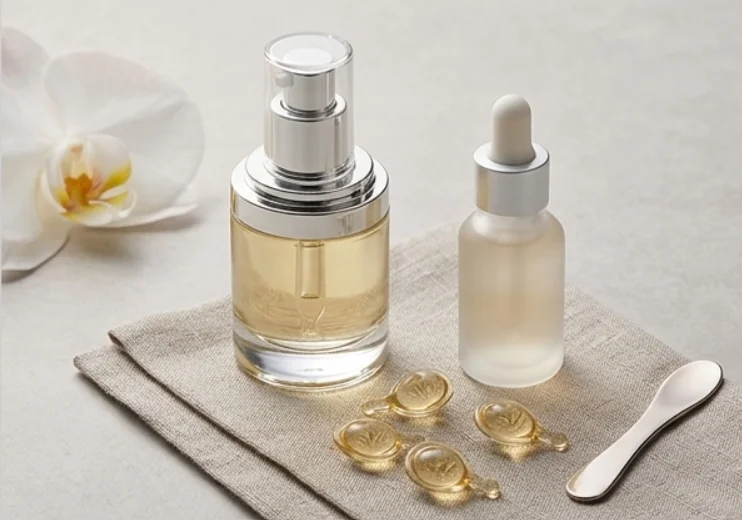
Specially designed for single-dose encapsulation of high-concentration essence oils and skincare emulsions, providing a premium packaging solution.
- Pharmaceuticals
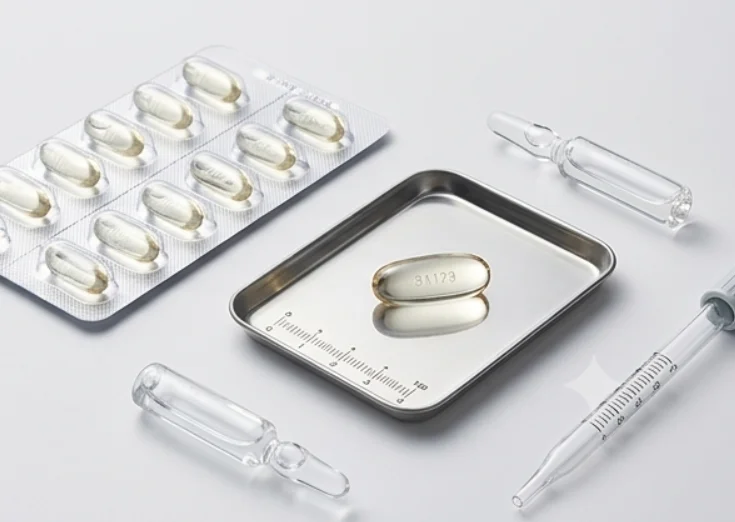
Ideal for the high-precision encapsulation of liquid medications, oils, and various prescription or OTC drugs requiring sustained release.
Frequently Asked Questions - Softgel Production Line
1. Do you offer lab-scale softgel encapsulation machines?
Yes, we offer lab-scale and pilot-scale encapsulation machines (e.g., 5-10kg/h) designed for R&D and clinical trials, facilitating a smooth transition from small-batch testing to industrial production.
2. Are there specific environmental requirements for softgel production?
Yes, softgel production requires strict environmental control, especially for temperature and humidity. We provide integrated climate control solutions (dehumidification and HVAC systems) to ensure quality stability during gelatin formation and drying.
3. Do you provide on-site installation and technical training overseas?
Absolutely. Our experienced engineering team provides on-site installation, commissioning, and comprehensive operational training worldwide to ensure your production line runs efficiently and in compliance with global standards.
4. How do you ensure the drying quality of softgels?
We utilize professional, intelligent tumble drying systems that automatically adjust drying parameters based on product characteristics, preventing deformation or cracking while optimizing the drying cycle and ensuring consistent product appearance.
5. Which industries do Grand softgel solutions serve?
Our solutions are widely used in pharmaceuticals (prescription drugs), nutraceuticals (e.g., fish oil, vitamins), functional foods, and premium cosmetics (serum capsules), meeting diverse formulation and dosage requirements.
6. Can softgel machines use different types of molds?
Yes, our machines offer excellent compatibility and support customized molds of various materials and shapes. These can be quickly swapped based on your specifications, allowing for flexible multi-product production.
Contact us now
Whether you are an individual entrepreneur, a manufacturer, or a potential distributor/partner, feel free to contact us. Leave your requirements, and Grand’s sales team will ensure a professional response and support within 12 hours to help your business take off.