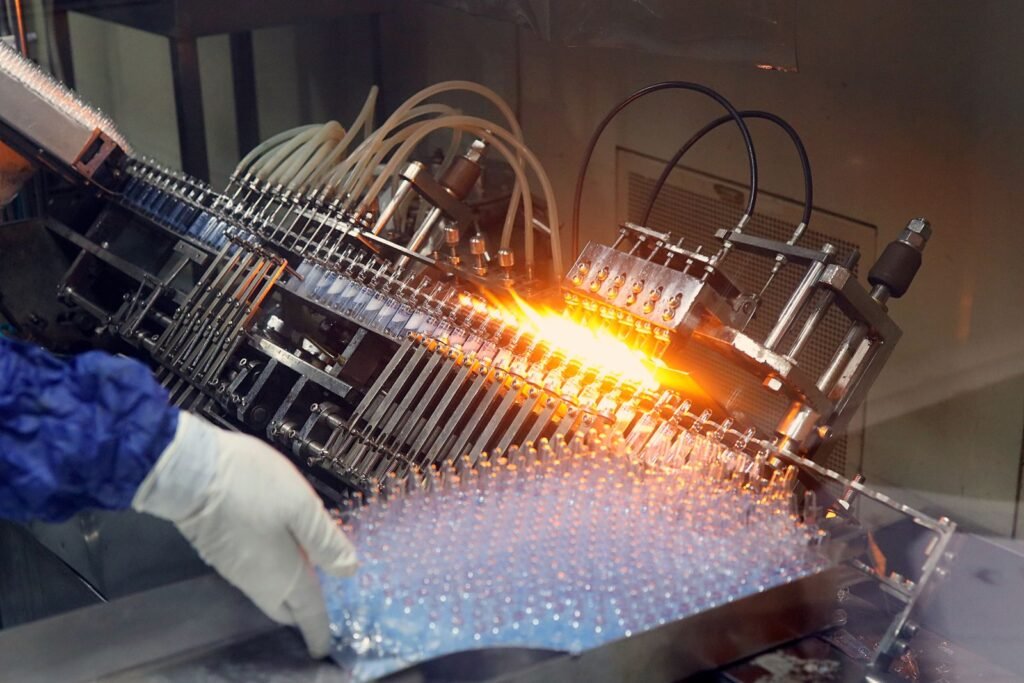
간단한 답변: 그 tablet coating process combines controlled tablet movement, liquid application and drying to build a coating on compressed tablet cores. In a perforated-pan film coater, the drum continually turns the tablets through a spray zone while conditioned air removes the solvent. A good coating run balances how quickly the liquid arrives with how quickly the tablets can dry, without damaging the cores.
The practical question is not simply whether the machine can spray. It is whether the coating develops consistently throughout the batch while the cores remain intact and the agreed quality attributes are achieved. This guide follows a typical aqueous film-coating run, shows what to measure and explains where the equipment affects the result. Sugar coating and functional coatings can require different stages and acceptance criteria.
What Is the Tablet Coating Process?
Tablet coating is the application of material to the outside of a solid dosage form. A coating may improve appearance, reduce unpleasant taste, protect the core or provide a defined release function. The purpose must be specified before the trial because it determines the formulation, process endpoint and quality tests. Salawi’s review of pharmaceutical coating (2022) describes several coating approaches and the importance of uniformity.
| Coating purpose | What the process needs to establish |
|---|---|
| Conventional film coating | An even polymer film with the agreed appearance, weight gain and integrity. |
| Sugar coating | A suitable sequence of layer application and drying, with the required surface finish. |
| Functional coating | A product-specific coating build and demonstrated performance, such as an applicable dissolution profile. |
Coating Machine Working Principle: How the Film Forms
A typical perforated-pan coater links three physical processes. Rotation and internal baffles bring new tablet surfaces into the spray zone; a pump and atomizing spray system distribute coating liquid; conditioned inlet air and exhaust remove moisture or solvent. These actions must remain in balance. The coating builds over many passes rather than in one heavy application.
Consider what happens if the pump delivers more liquid than the moving bed can accommodate. Even with the drum turning normally, the surface may stay wet between passes. Conversely, droplets can dry prematurely if the drying environment is too aggressive. Neither an apparently stable drum speed nor a stable exhaust temperature is enough to establish coating quality.
For a detailed breakdown of drums, nozzles, air handling and controls, see our tablet coating machine parts guide. The focus here is how the systems interact during production.
Step-by-Step Tablet Coating Process
The following operating sequence is a general framework, not a universal recipe. Colorcon’s film coating process guide also emphasizes the preparation of robust cores and optimization of film application for the particular product.
- Prepare the cores. Confirm the identity and release status of the uncoated tablets. Check weight, friability, strength, edge integrity and dedusting according to the approved method. A weak core cannot be repaired reliably by a cosmetic film.
- Prepare the coating liquid. Follow the coating supplier’s instructions for solids content, mixing, hydration and permitted hold time. Verify that the suspension remains suitable for delivery without settling or obstructing the nozzle.
- Load and precondition. Check the drum load against the model’s specified working range. Start the prescribed airflow and tablet movement, then establish the validated bed conditions before spraying.
- Spray and dry concurrently. Deliver the liquid at a controlled rate. Monitor the moving tablet bed, spray pattern, inlet and exhaust readings and other applicable indicators. Keep the coating liquid suitably mixed during delivery.
- Verify the coating endpoint. Compare representative samples with the agreed weight gain and appearance criteria. Record the quantity of liquid delivered and any interruptions. Additional functional tests may be required.
- Finish, cool and unload. Complete any required final drying or curing and cooling according to the product procedure. Discharge into identified containers, retain samples, reconcile the batch and clean the equipment according to the approved cleaning method.
Key Tablet Coating Process Parameters
Setpoints need to be interpreted as a system. A change in spray rate can alter the drying load; an adjustment to pan speed can change how often a tablet enters the spray zone. Record both the commanded setting and the measured response where available.
| 매개변수 | 그것이 왜 중요한가 | What to record |
|---|---|---|
| Batch load and pan speed | Influence bed turnover and exposure to the spray zone. | Actual core mass, drum, rpm and mixing observations. |
| Liquid spray rate and solids | Determine delivery of coating material and liquid load. | Actual flow, total delivered mass, concentration and gun count. |
| Atomization and spray pattern | Affect droplet formation and distribution. | Pressure, nozzle identity, alignment and coverage check. |
| Airflow and inlet air conditions | Influence evaporation capacity. | Measured airflow, temperature and humidity/dew point where monitored. |
| Tablet bed and exhaust temperature | Reflect different locations; one does not directly replace the other. | Measurement method, location, temperature trends and deviation times. |
| Drum differential pressure | Helps characterize air balance and containment during operation. | Specified pressure range, actual readings and alarm events. |
A Published Example: Why Spray Rate and Drying Must Be Balanced
A controlled pan-coating study by Pandey, Bindra and Felton, AAPS PharmSciTech, 2014, Table I used placebo tablet cores and a 12-inch Vector pan coater. Two runs maintained the same 44 °C exhaust temperature, 45 cfm inlet airflow and 15% suspension solids, while changing the spray rate.
| Measured or controlled variable | Run A | Run B |
|---|---|---|
| Spray rate (g/min) | 5.5 | 7.5 |
| Exhaust temperature (°C) | 44 | 44 |
| Tablet bed temperature (°C) | 40.3 | 38.8 |
| Tablet bed relative humidity (%) | 26.3 | 33.5 |
The higher spray rate coincided with a 7.2 percentage-point increase in bed humidity and a 1.5 °C decrease in bed temperature, even though the exhaust temperature did not change. This comparison illustrates why an exhaust setpoint alone may miss the actual tablet environment.
Engineering implication: when spray throughput changes, compare the drying conditions and the coated product response before approving the new setting. These are published research measurements, not GRAND machine specifications, a GRAND customer case or recommended settings for another formulation.
How to Check Tablet Coating Quality
Calculate coating weight gain
For a simple check based on mean tablet weights, use representative uncoated and coated samples measured under comparable conditions.
Coating weight gain (%) = (mean coated tablet weight − mean core weight) ÷ mean core weight × 100
Illustrative calculation: if the mean uncoated weight is 200 mg and the mean coated weight is 206 mg, the apparent weight gain is (206 − 200) ÷ 200 × 100 = 3.0%. This is a calculation example, not a universal target. Moisture changes and sampling variation may affect the measured gain.
Average weight gain indicates overall mass increase; it does not establish how evenly the film is distributed between tablets or across individual tablet surfaces. For the intended use, evaluate representative samples using the approved sampling plan.
| Quality check | What it can establish |
|---|---|
| Visual examination | Agreed color and surface appearance; evidence of sticking, roughness, chipping or obscured markings. |
| Weight gain and variation | Overall coating build and consistency of sampled unit weights. |
| Integrity and other specified tests | Whether the coated cores meet relevant mechanical and physical requirements. |
| Dissolution or other functional testing, when required | Whether a functional coating meets its product-specific performance criteria. |
If the run shows an abnormal appearance, keep samples and the corresponding process record. Use our 정제 코팅 결함 해결 가이드 to plan the inspection rather than changing several settings at once.
Equipment Solutions for Tablet Coating
Start with the process requirements, not a model number. A coating trial needs a working load matched to tablet geometry and core strength, a spray arrangement suitable for the coating liquid and sufficient controlled drying capacity. Confirm the planned batch size, coating type, utilities, cleaning method and quality acceptance criteria with the equipment supplier.
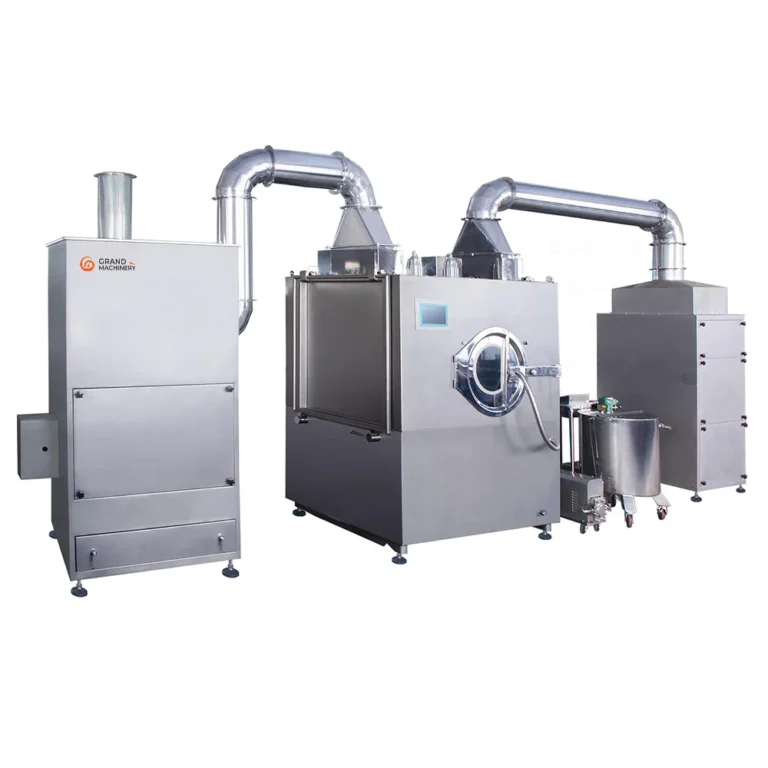
GRAND의 high-efficiency intelligent coating machine series lists PLC-controlled coating equipment for multiple production scales, including the BG80 shown above. For facilities needing a compact arrangement, the integral high-efficiency coating machine series describes a combined drum, air handling, spray and exhaust arrangement. The exact configuration and operating range should be confirmed for the selected model.
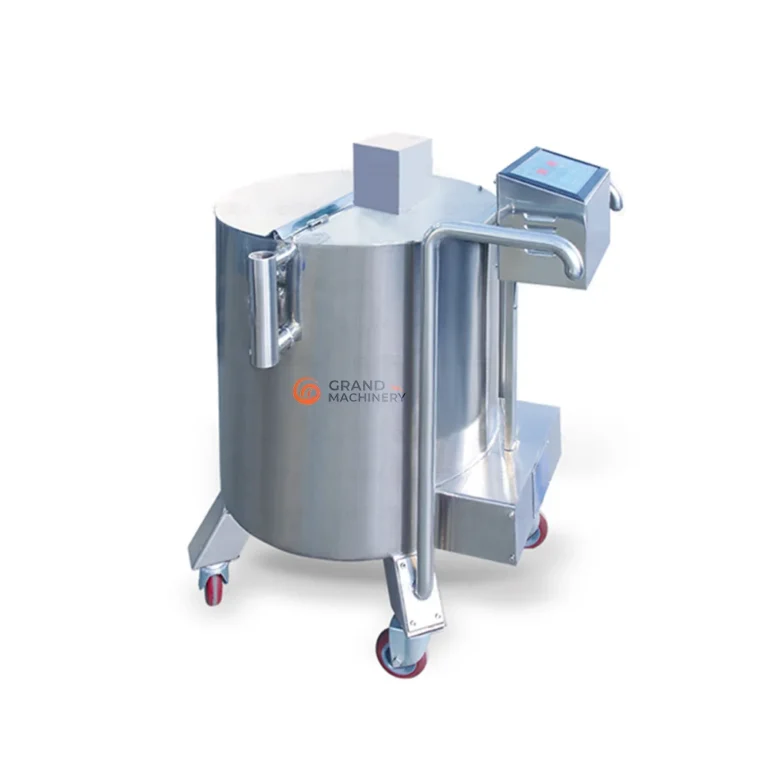
Liquid preparation and supply are also part of the coating system. GRAND’s 도장 기계 보조 장비 includes an agitating and holding tank and separate air-handling and exhaust options. Specify the required mixing, delivery, temperature control and cleaning configuration for the intended formulation rather than assuming every option is fitted as standard.
What to Confirm During an Equipment Trial
Agree on the run’s acceptance criteria and sampling method before operating the equipment. Bring representative tablet cores and coating material, and document the chosen settings and actual readings. Confirm that the full process, including coating delivery, drying, endpoint sampling and cleaning, is workable in the proposed configuration.
- Product: core dimensions, mass, strength, target batch and coating purpose.
- Process: coating system, solids, spray rate, expected weight gain and any heat or moisture sensitivity.
- Equipment: drum load range, spray configuration, air handling, instrumentation, available utilities and cleaning requirements.
- Acceptance: agreed appearance, weight gain, variation, applicable functional tests and documented run conditions.
An acceptable short trial provides evidence for that formulation and configuration, not proof of compatibility with every product or scale. If a larger machine is needed, establish a new operating window rather than copying the laboratory RPM or liquid delivery rate directly. Our tablet coating machine selection guide explains how to evaluate the equipment specification in more detail.
자주 묻는 질문
What are the main steps of the tablet coating process?
Prepare and inspect the tablet cores, prepare the coating liquid, load and precondition the moving tablet bed, spray while drying, verify the endpoint, then finish drying, cool as appropriate and unload. The validated product-specific procedure determines the exact sequence and acceptance criteria.
How does a pharmaceutical tablet coating machine work?
In a typical perforated-pan coater, the rotating drum and baffles circulate tablets through the spray zone. Atomized coating liquid reaches the moving tablets while conditioned air removes solvent. Repeated exposure builds a film as the tablets continue to mix.
What is the difference between inlet air and tablet bed temperature?
Inlet air temperature describes air supplied to the coater. Tablet bed temperature describes the conditions experienced by the tablets and may be lower because evaporation cools the bed. Exhaust temperature is another separate reading. Use a validated measurement and control method rather than treating these temperatures as interchangeable.
What is the formula for tablet coating weight gain?
Weight gain (%) = (mean coated tablet weight − mean uncoated core weight) ÷ mean uncoated core weight × 100. Use representative samples under comparable conditioning and a suitable weighing method. Mean weight gain alone does not prove film uniformity or functional performance.
Can the same coating settings be used on a larger machine?
Not automatically. Drum geometry, loading, tablet movement, nozzle coverage, evaporation capacity and air conditions change with scale. Establish the new operating window with representative material, documented trials and product-specific quality checks.
Does a tablet coating machine guarantee an enteric coating?
No. Enteric behavior depends on a suitable formulation, application and any required curing, followed by applicable validated dissolution or acid-resistance testing. A coater supplies controlled processing conditions; it does not independently establish the release profile.
Planning a tablet coating trial? Share your tablet specifications, batch size, coating type and agreed quality targets with GRAND Machinery. Review our coating machine solutions to discuss the suitable configuration. Confirm the final machine scope and trial conditions before production.